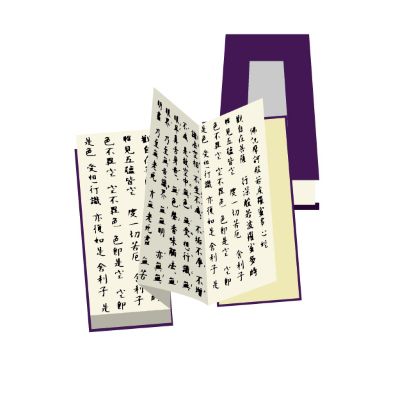
Hi everyone! It is the blog Hou Unique Japan! We always share some Japanese features through this web page!
So, what comes today??
This time, we would like to talk about sutras from Buddhism. Buddhists usually chant it at a funeral.
It is because we need to show our respect to the deceased people with those grateful sentences/sutras. (If you are familiar with some Japanese cartoons/manga or dramas, you might have seen them.)
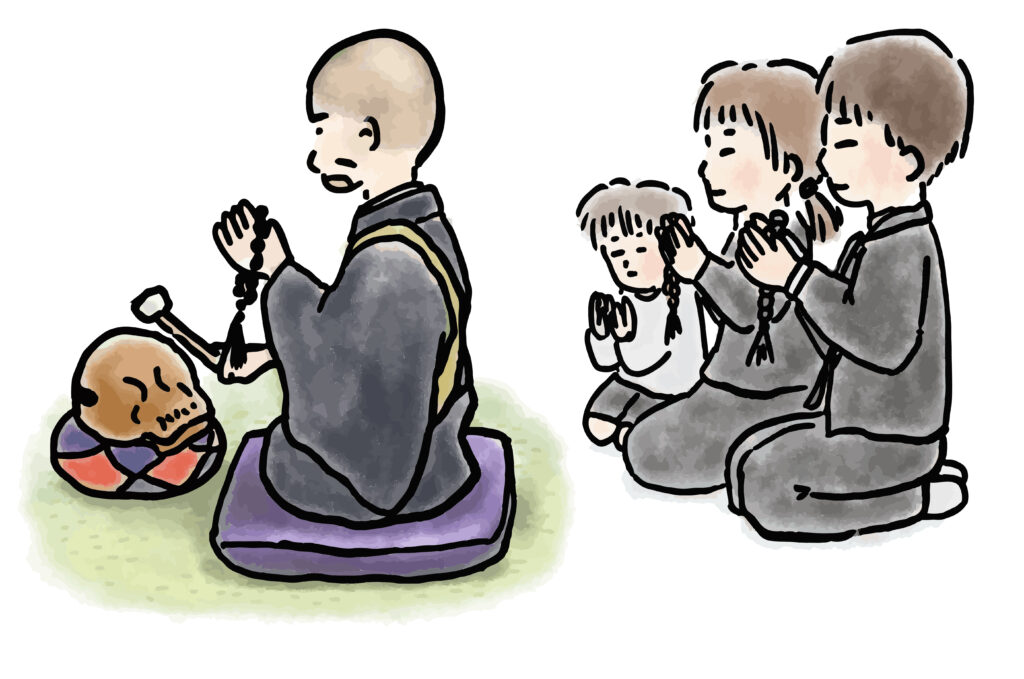
In Japan, it is common for the Japanese to hold a funeral (its size is up to the money from the bereaved family) with a Buddhist monk summoned.
During the entire funeral, the monk chanted sutras while striking a percussion instrument known as a Mokugyo. The visitors must take silent prayers until the monk finishes reading the sutras. It takes between 20 and 40 minutes.
What are sutras for the Japanese? And when were they born?
The history
Precisely, all kinds of sutras originated from the founder of Buddhism. So, they were from the teachings of Buddha (Siddhartha Gautama, around the 5th and 6th centuries BC) in India.
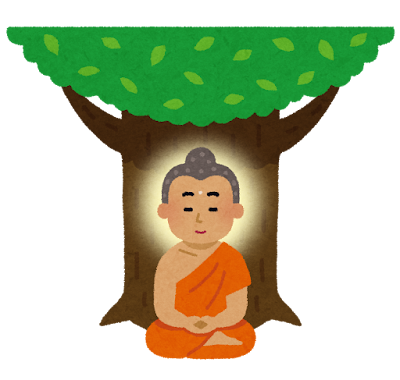
Indeed. It is over 2,600 years old. Ancient!
The surprising fact is not over yet. First of all, those Buddha lessons/sutras were not in documents. His apprentices remembered them and took the oral tradition to the next generation.
It was not until one King finally conducted the younger and older apprentices to summarize. It was around 2 centuries BC. (They named it Budden Kessyuu.)

Yes. The apprentices had kept the lessons without writing (documenting) for hundreds of years.
But it has more features. The number of lessons (sutras) is also astonishing. It reaches over Eight Thousand!! It is stunning!
After they (the King and Buddhist/apprentices) composed lessons, those came to Japan through India, China, and Korea in the 6th century (around 538 and 552 AC). During that adventure, they translated the lessons (Sanskrit) into Kanji (Chinese) characters.
This time, let us focus on one of the most famous lectures. It is, 般若心経, the Heart Sutra.

The history and translation difficulty
Indeed. All sutras (and the Heart Sutra) originated in India.
But wait. We should have a question about that fact. How did the ancient translation work? The first language in India is Sanskrit. But the Chinese use Kanji characters. How did they change the first language in India into Kanji?
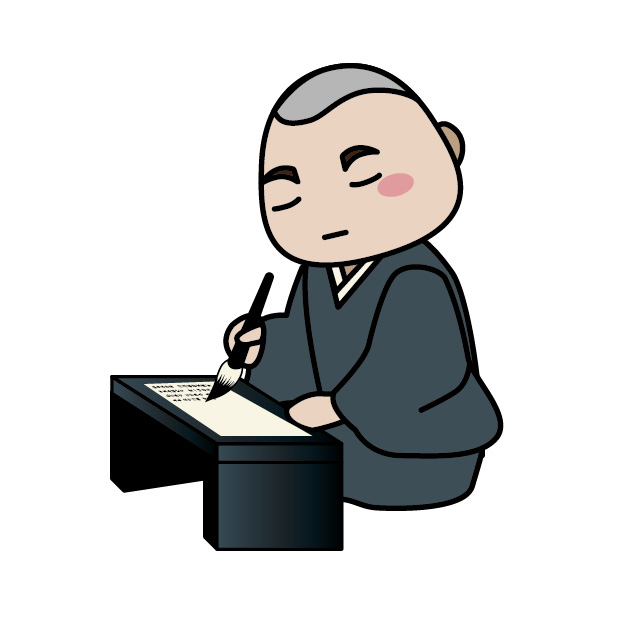
The method was simple. The ancient Chinese transformed Sanskrit into Kanji characters, which have similar pronunciations.
We call that translation method Sound Copy.

Amazingly, the translators at that time not only put the Kanji with similar pronunciation but also meanings. Yes. They carefully read into those lessons, then changed them with the characters.
For instance, there are words and sayings, Parasamgate, in that sutra. They translated those with Kanji(s) 波羅僧羯諦. The names of those capitals have a similar sound to Sanskrit, and their meanings also appear to align. Both say Go toward awaking!
After Buddhism arrived in Japan, its influence in China began to decline in strength. So, the other ones, Confucianism and Daoism, replaced that. Indeed. They have become the center of China.
On the other hand, Buddhism spread in Japan. And the citizens (monks) created new denominations and new perspectives to approach the awareness.
Yes. We Japanese have successfully kept the lessons (sutras).
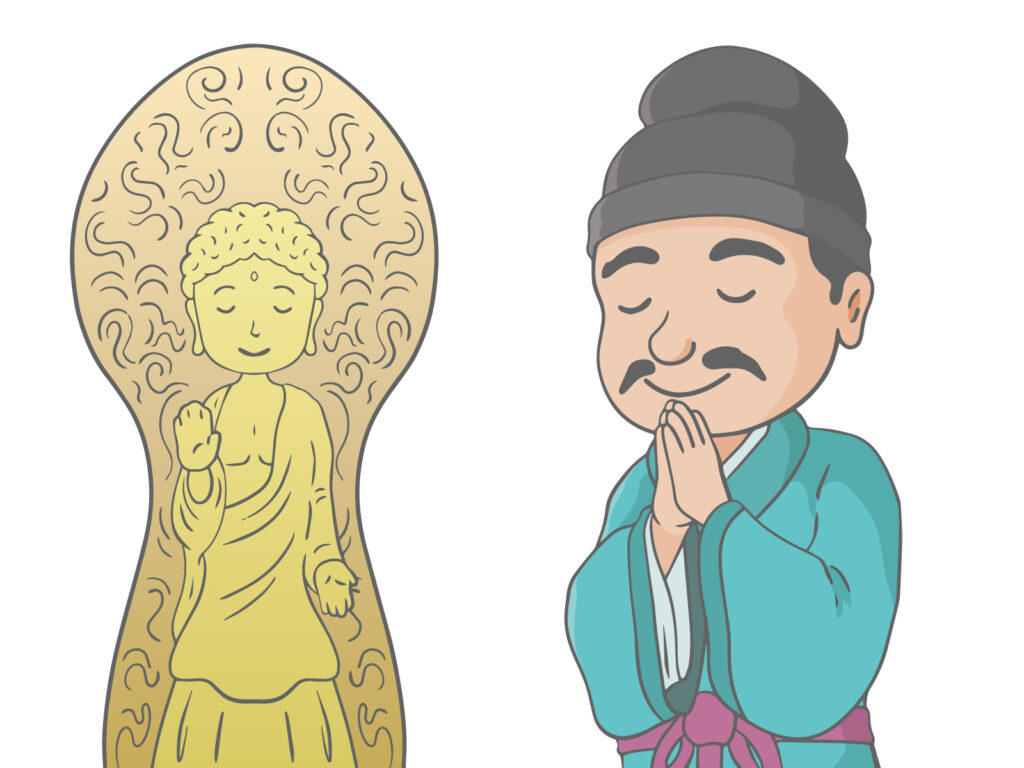
One more fact. In ancient times (around 630 and 650 AD), one Chinese Buddhist monk, Tong Sanzang (also known as Xuanzang), secretly traveled to India to gain the sutras (the lessons from Buddha). It was for spreading them in China, but traveling to any country was illegal at that time.
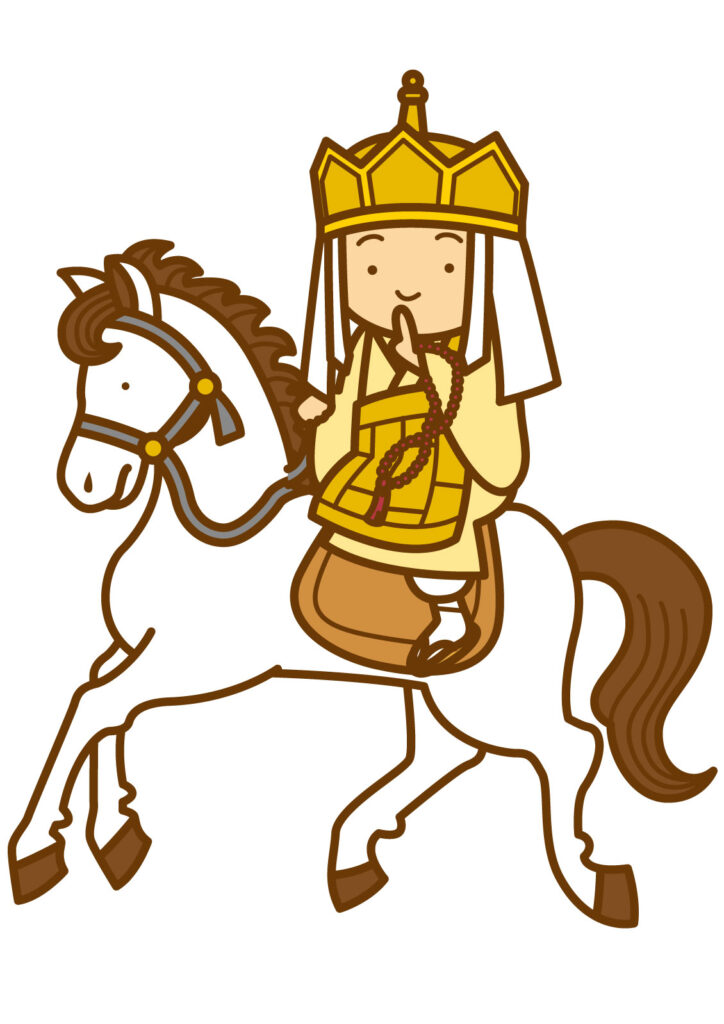
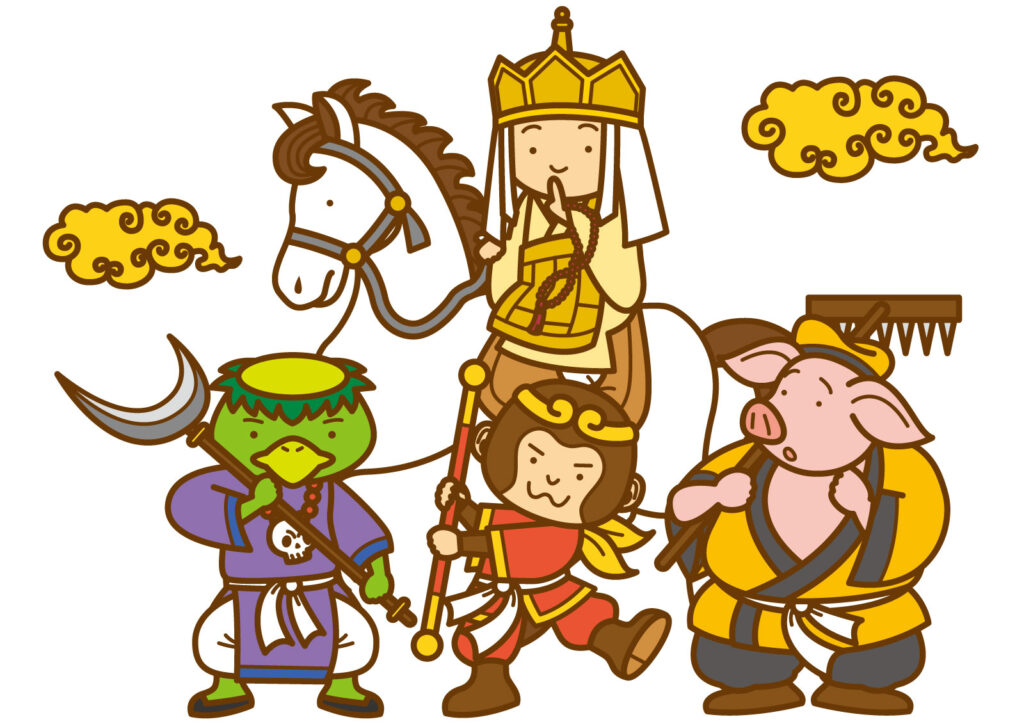
Such a brave story became one of the most famous Asian legends, Journey to the West. In that story, three servants are protecting him.
One of them is the monkey and godly monster named Son Goku. Indeed. He is the original of the famous manga character.
What is the Heart Sutra?
In Japan, the Heart Sutra is really popular. Do you remember? Japanese Buddhism had experienced separation and denominations.
That means there are many kinds of Buddhism (although the main focus of worship is still on Buddha). They do not treat all sutras fairly.
However, almost all Buddhists treat the Heart Sutra as one of the most important lessons.
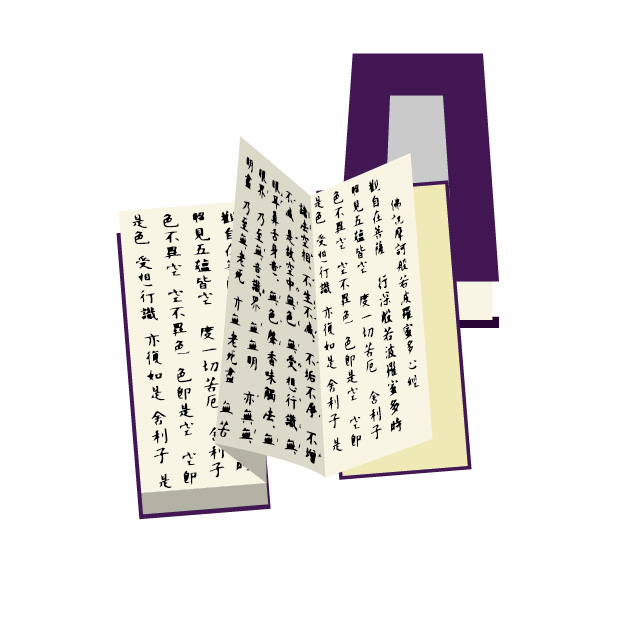
Thus, the sutra is close to us. We believe that some small children can sing the first part because they imitate their parents or grandparents singing. Yes. It is popular.
Then, what is inside the sutra??
The Heart Sutra is about the enlightenment of 空 (EMPTINESS).

What is EMPTINESS (空)?
OK. We need to touch on the idea/lesson about the void before reading the Heart Sutra. What do you think about it? We do not doubt that some of our lovely readers would imagine nothingness.
Indeed. The word itself meant that. However, the meaning in the Heart Sutra is different. The words in that lesson say.
Everything does not have its true state for its existence. Thus, there is just an emptiness upon us.
What do you think about that lesson? Probably, some of you would think that is nonsense and say, What are you talking about? We are firmly present here with our bodies and our choices. It is wrong!
Yes. We totally agree with the opinion. Honestly, we used to think that way. Let us delve deeper into the lesson to notice some insights from it.

Please come to think about existence. Indeed, all living creatures cannot be born without their parents (even humans). Besides, if there is no food, vegetables, fish, meat, or grains, we have no way to survive.
It is not over yet. What makes you yourself?
So, your personality is from the experiences of your parents, friends, and lovers. Indeed. Nobody can create their own existence without connections.
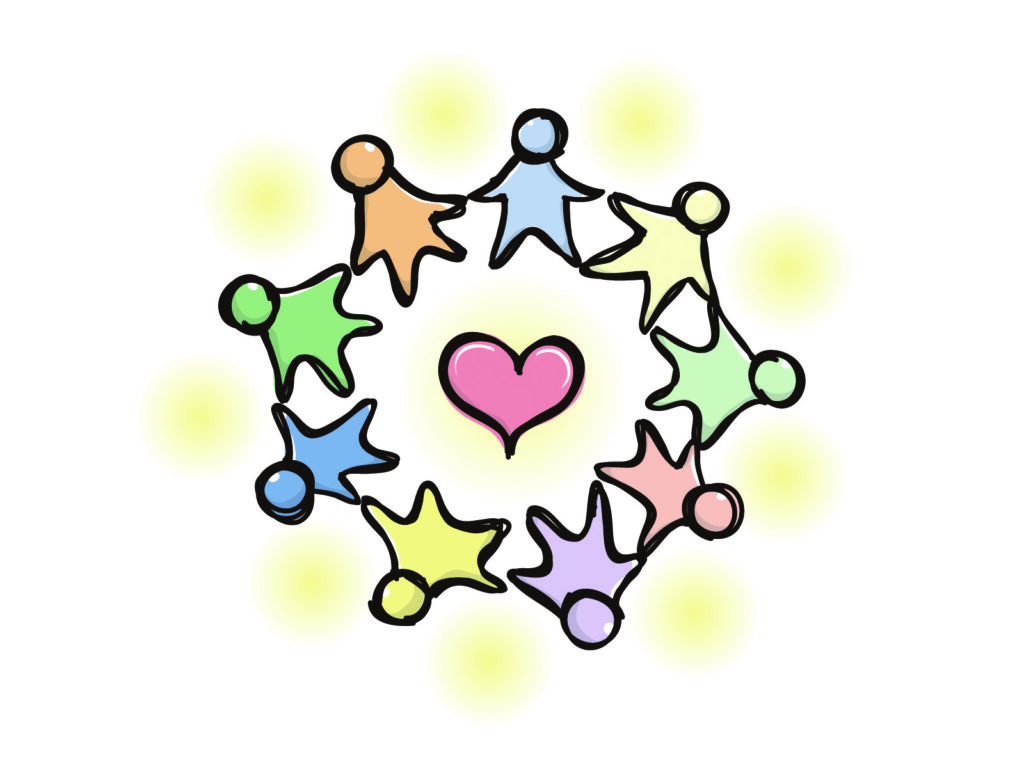
Therefore, each of us must confront our karma—begging, causing, and fate. It finally makes us ourselves.
And this lesson suits all phenomena. Please consider a fire. The fire can not last without fuel or something burning, and if sparks do not ignite it, the fire will not exist at all.
Moreover, the sun can not last forever. Some scientists already estimated the lifespan. They say that the sun will burn out after 5 billion years.
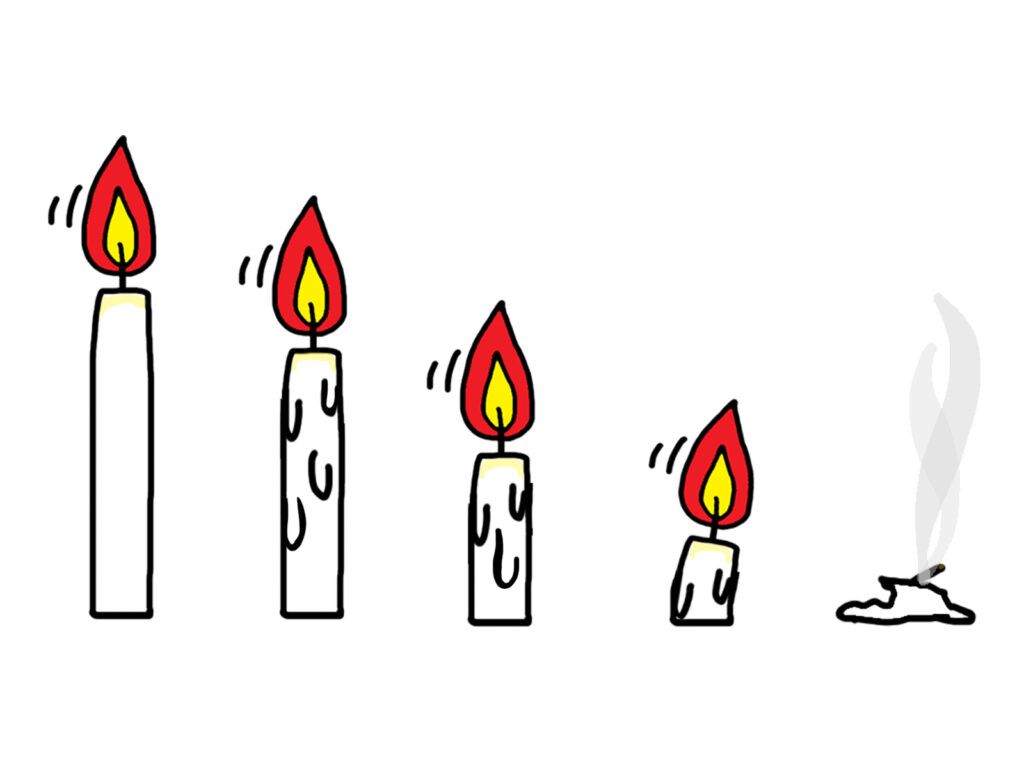
So, do you get it? There is nothing that can exist by itself. Every existence does not have its true essence, but only our consciousness perceives it through the physical five senses.
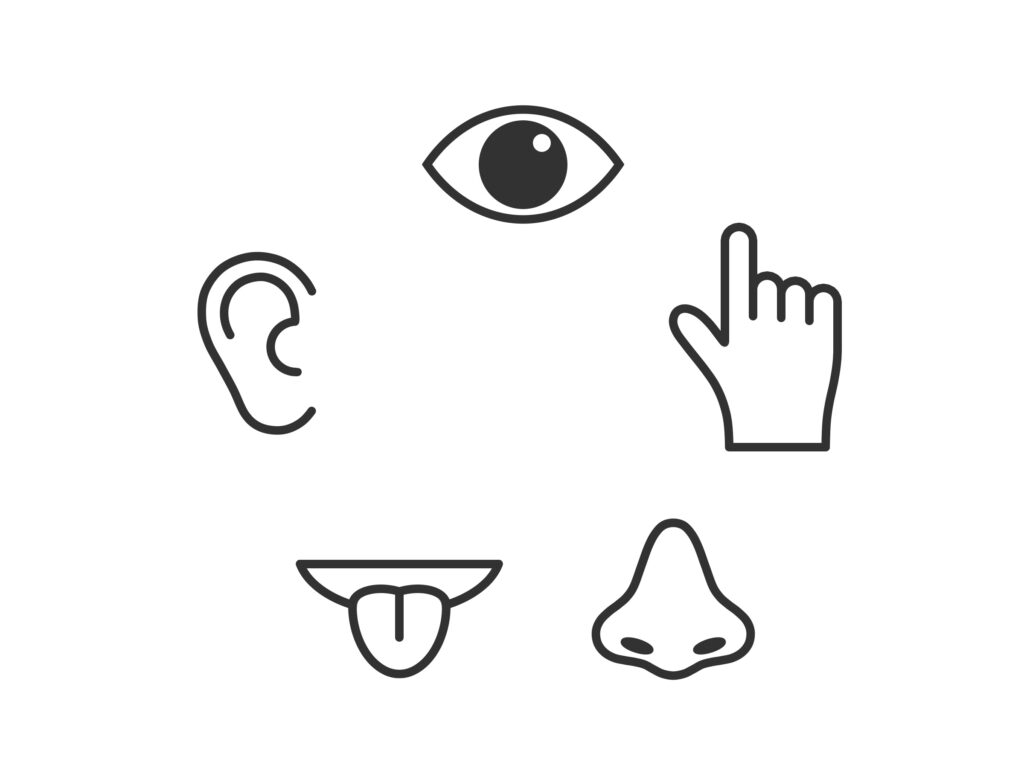
It is the meaning of Nothingness/Emptiness in the Heart Sutra.
Then, that lesson should lead us to the question some of you had already asked. Was it what could make us recognize objects (or events), TRUE?
OK. In the following section, we will examine the details in the lesson, as the answer lies within them.
What exactly is in the sutra?
That was an interesting session of nothingness. Then, what exactly does the sutra teach that idea?

Do not worry. We are not intending to write and translate all sentences in the sutra, because if we do, this section would be as thick as a small booklet. So, we highlighted the core of it.
It says.
An enlightened person with a free heart, Buddha, realized that what shapes us is an emptiness, which relates to the human five senses.
So, he got relief from any struggles in life.
Every existence is empty, and the emptiness forms the existence. Everything is going to change.
The core of the Heart Sutra says that. Did you get perplexed? Please come to think of it.
Everything (any material, events, whatever) is always up to the recognition by the brain. And it must be through our physical five senses (the five senses are: touch, smell, taste, sight, and hearing).
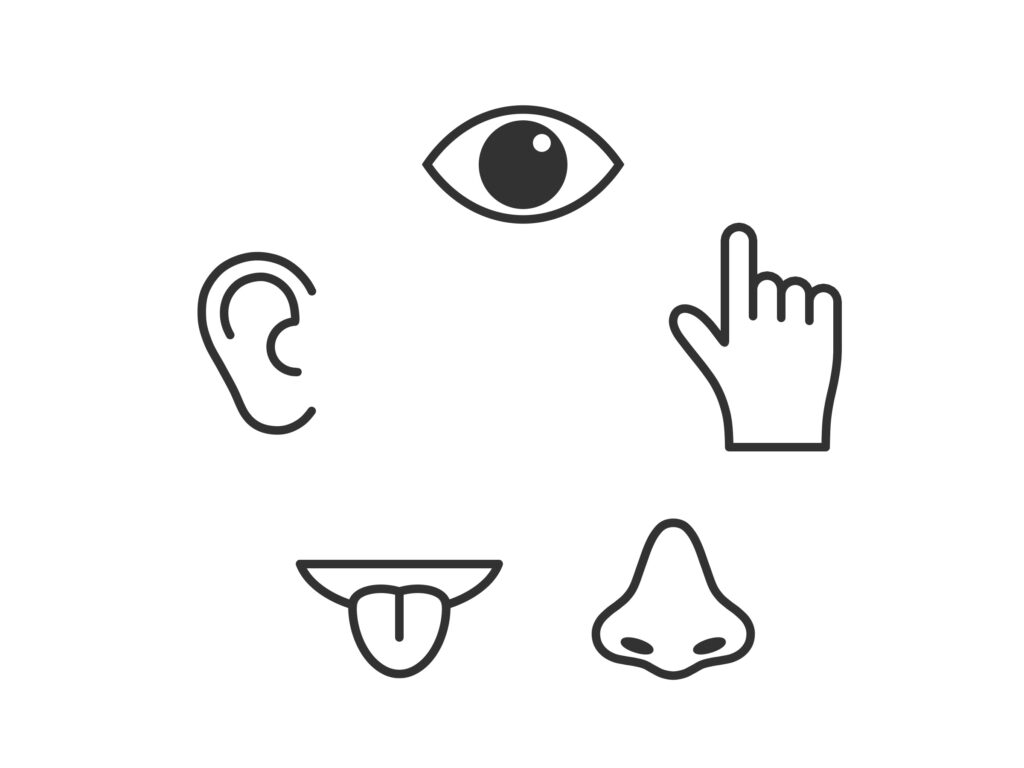
Indeed. All creatures must lean on their senses to recognize what it is. So, everything can change by our acceptance of our way of thinking/perspective.
Therefore, it says there is no existence by itself, but the emptiness (those senses) forms everything.
It sounds very lofty. However, we can explain that in short.
It means there is nothing that belongs to you that also forms you. At the same time, there is no true form to make you stick to, because our brain has recognized everything that exists.
It is the key. We often struggle with the persistence of certain wealths, such as money, health, physical appearance, and power. Those negative mindsets can sometimes lead to conflict or even war.
It teaches that you do not have to suffer from what you stick to. But it can change, and you can be free from the suffering you created.
If you can let it (the suffer) go or be, you finally gain the true peace in your brain/soul/heart.
It is OK. There is NOTHING/EMPTINESS WRONG.
It is the core of the Heart Sutra. Oh my god. That lesson was from three thousand years ago (from Buddha). But, it sounds effective in the present time we live in!
More topics about Japan!
Few. Thank you for reading this perplexing article about the sutra. If you are still interested in the Buddhist sutras, you can find them. “English translated the Heart Sutra.” Surprisingly, there are some Japanese monks from different countries. They gently chant (or sing) the sutra with their beautiful voice!
Try that!
Besides, our blog still has more Japanese topics. Please challenge them, if you are fine!
All articles are in four categories. They are the Japanese lifestyle, the Food, the Edo era, and this article is from it, Religions in Japan.
Boost and update your knowledge about Japan!
See you for the next adventure in Japan!