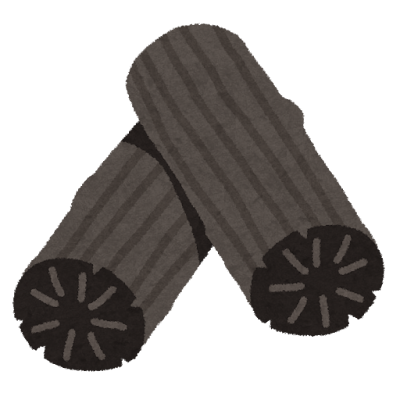
Hello everyone! It is the blog How Unique Japan
We always share featured information about Japan through this webpage.
In Japan, there are many technical workers in each job (especially craft workers). Such engineers, with their commitment, really support the Japanese economy and also make the country unique with their products.
Surprisingly, charcoal is no exception. There are many professionals available to create and enhance that. It also has a history. During the Heian era (794 – 1185), a Buddhist monk introduced a manufacturing method.
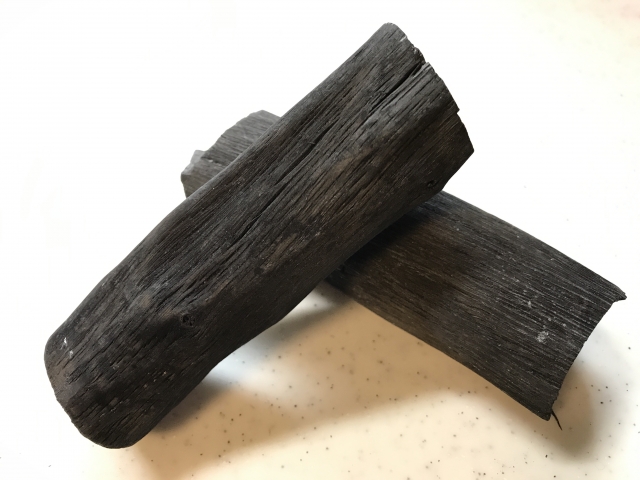
Since then, the Japanese one has undergone a unique revolution and passed on to the next generation.
How much and how good is high-quality charcoal?
There are countless/kinds of it with various qualities. However, the most expensive one is around $47 for one kilogram.
High-quality charcoal can sustain a long-lasting fire and has a far-infrared effect that crisps the surface of food while evenly heating the inside. (Basically, it will reach around 600th and 700th degrees Celsius.)
Indeed. The crispy surface can trap the flavors and tastes.
The advantage is not over yet. Surprisingly, charcoal has deodorizing and antibacterial properties. It is because they have tiny (really tiny) holes. Such a small (hole) feature can absorb moisture in the air.
On the way, it can also absorb harmful bacteria and odors with water molecules. Surprisingly, some deodorants include this charcoal component.

Yep. It does a good job for our daily life in Japan.
Next section. Let us see how the workers make the highest grade, Bintyoutan.
(In advance, we can say. It is CRAZY.)
How to make the most expensive one?
Do you remember the highest price of the charcoal? It was around 47$.
Indeed. Such expensive charcoal is Bintyoutan.
The high-quality charcoal was from a wholesaler during the Edo period (1603 – 1867). His name was Bittyuya Tyouzaemon.
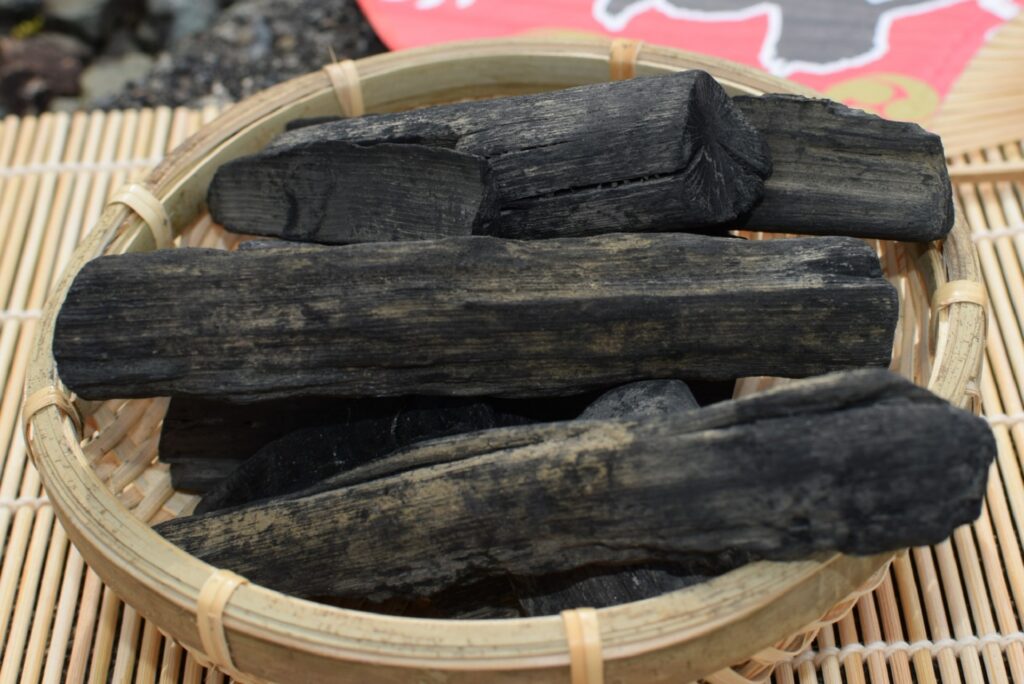
That was a game-changer for any restaurant business/industry in that era. Because when it ignites, the heart keeps a high temperature for longer than average charcoal.
The average one would last 2 or 3 hours. Compared to that, Bintyoutan takes around 4 to 8 hours due to its hardness and tightness. It is a big difference. Besides, the amount of smoke is less, despite the high temperatures. (600 – 700 degrees Celsius, sometimes 1000th!)
Oh, don’t forget the far infrared effect.
It also has that, of course. Bintyoutan is precisely the best quality charcoal, we can say.
What makes it possible?
The secret is its ingredients and manufacturing method.
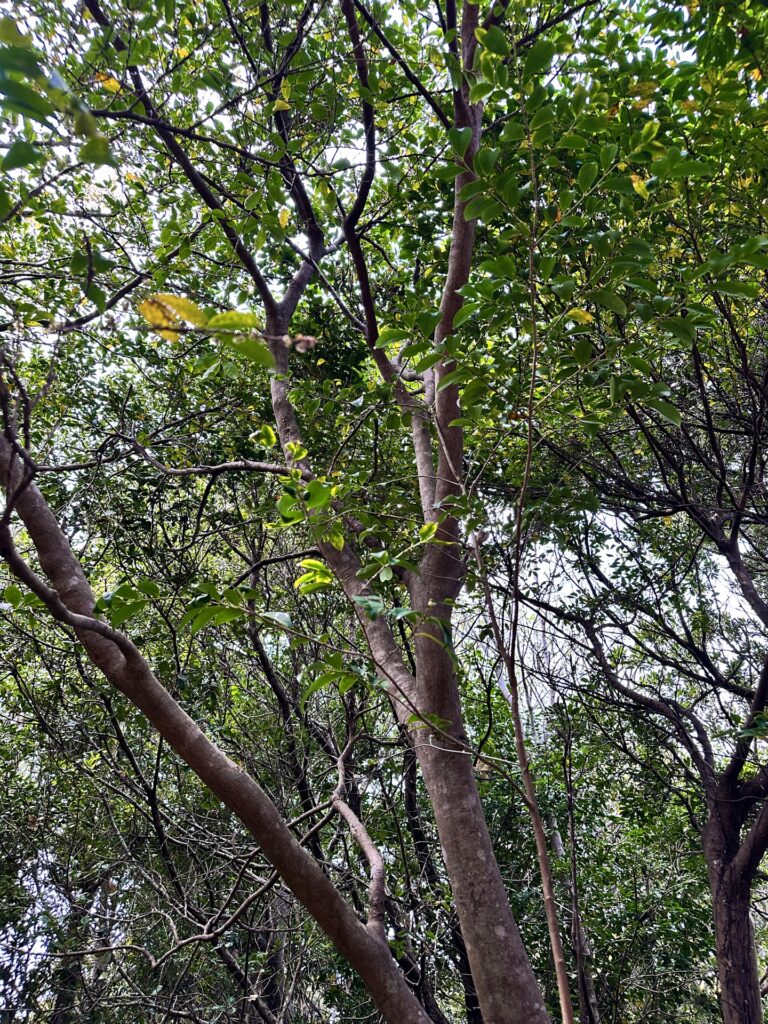
The wood for the charcoal is Ubamegasi. It is a kind of Fagaceae, but a unique one in Japan. The benefit of this material lies in its density, which results from strong and tightly bonded molecules.
Yes. It is the proper wood for hard and strong charcoal.
Then, how do craft workers make the special quality products?
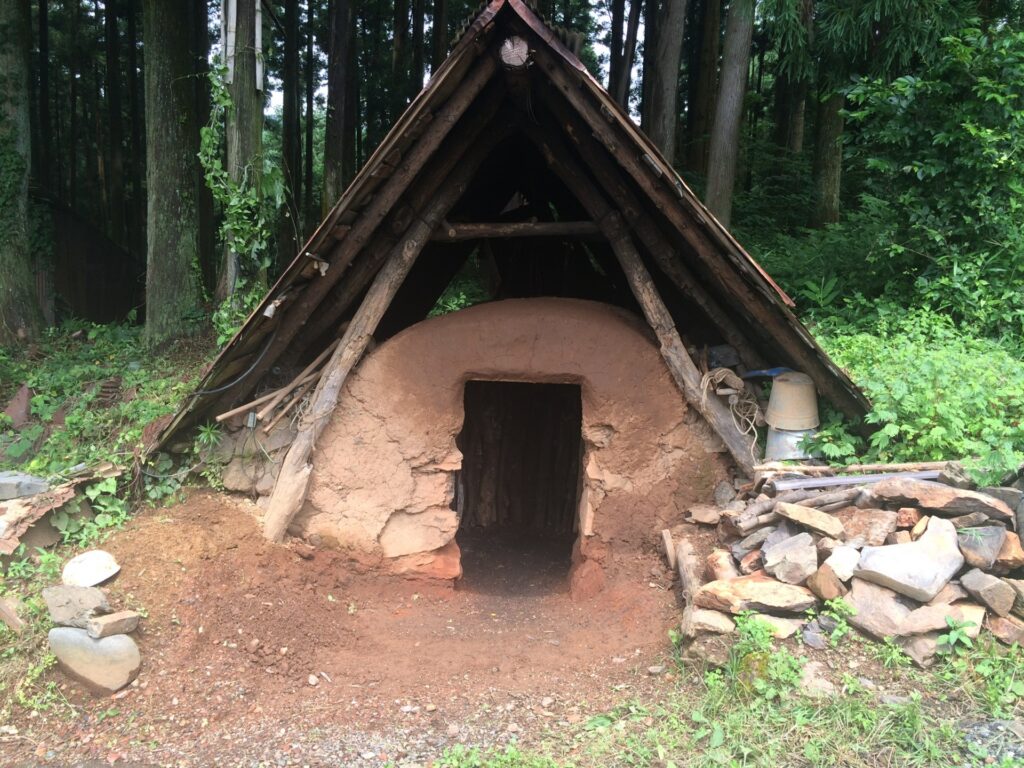
It is where we said crazy. The workers put the bunches of wood vertically in a huge (really huge) kiln. After that, they would block the entrance with a few gaps for air to pass through.
It gets ready for the creation of Bintyoutan. They cause a big fire at the blocked entrance. Indeed. They steam the woods in the kiln. The temperature is crazy. It will reach around 1000th and 1300th!. However, they have to keep their eyes on the inside of the kiln.
But from where? Do not forget the airway. The craft workers always observe them from such small gaps and smoke, and adjust the firepower so as not to burn the woods.
Indeed. The craft workers focus on the kiln with full (human) senses.
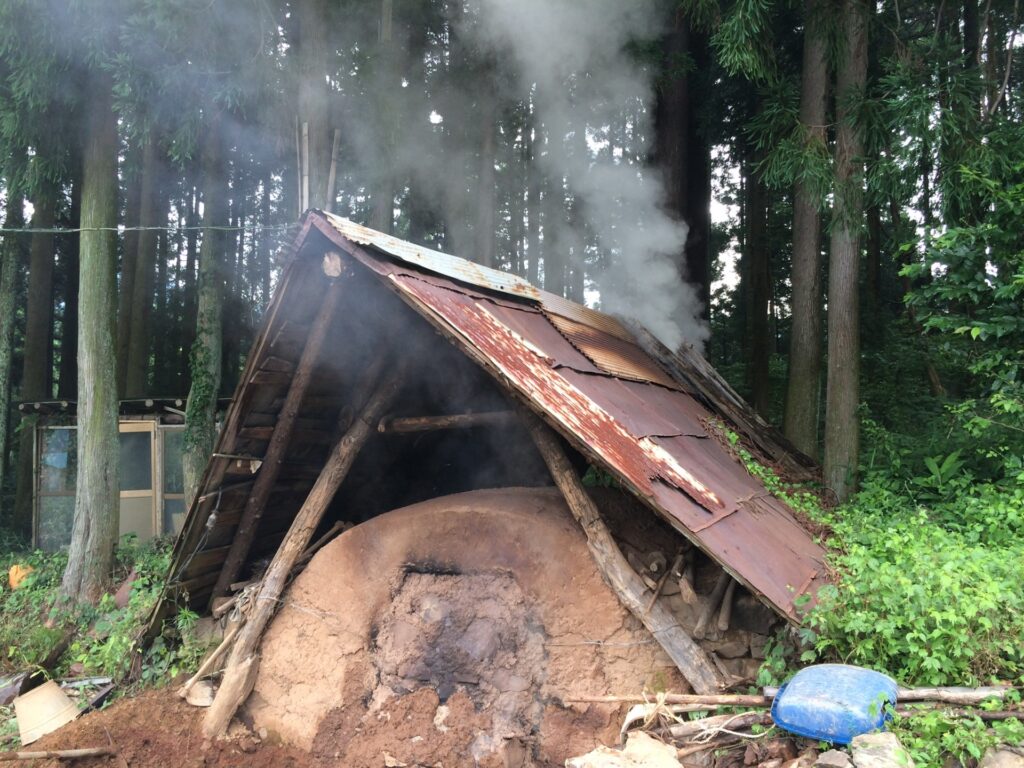
The most surprising fact is the duration of this method. The workers will maintain the fire for either one week or ten days!
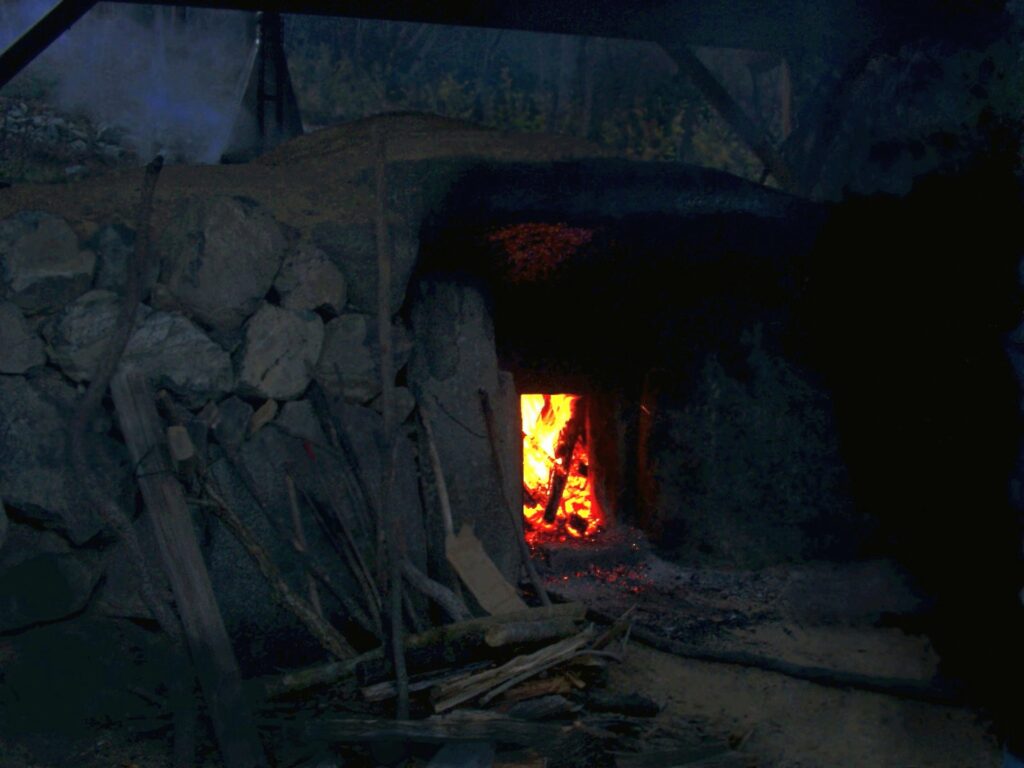
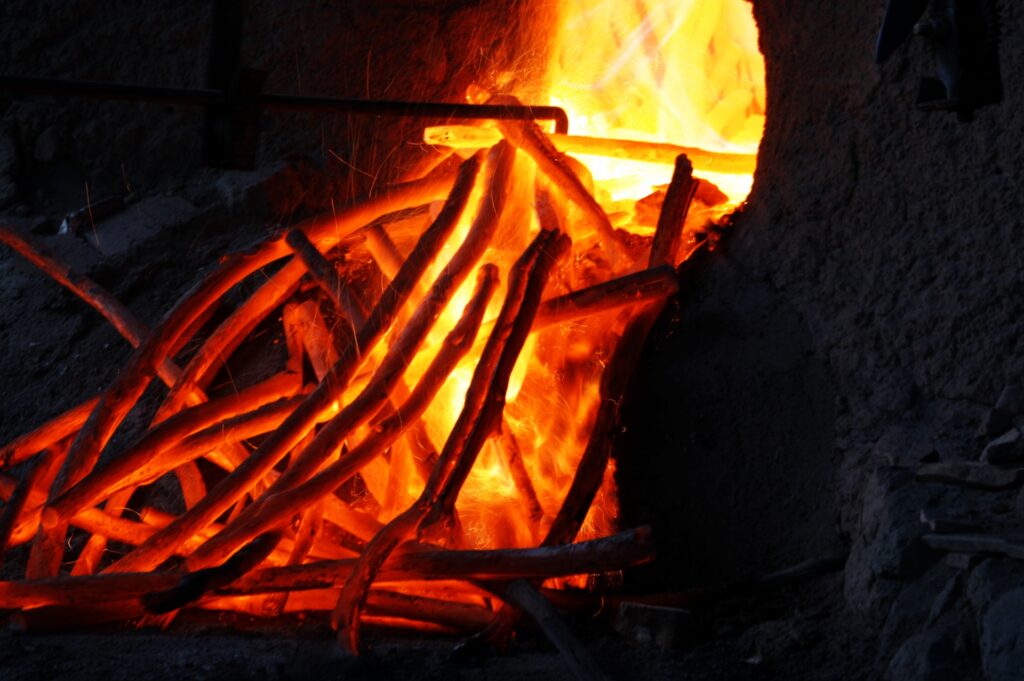
There is, of course, a break time (for short naps) and a shift change. But they need to stay close to the kiln.
Yes. There is no doubt. It is going to be expensive.
The high-quality Bintyoutan should shine like black crystal and be hard. Seriously, the sound it makes when struck is reminiscent of an iron.
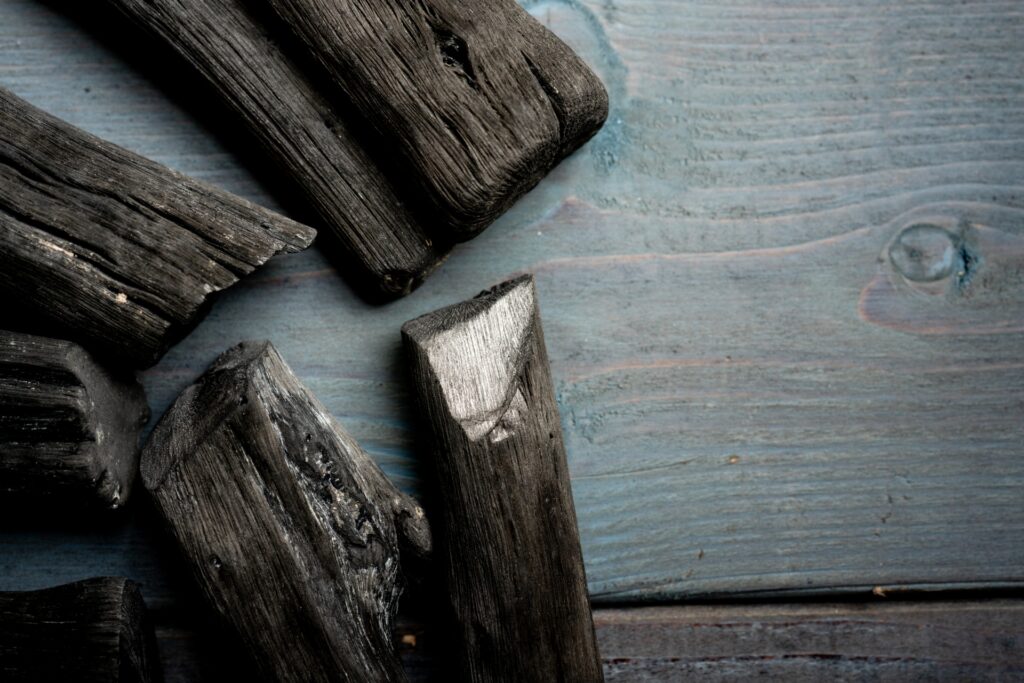
It is precisely hard work.
Please imagine the taste of steak burned with that charcoal. The surface is well done, while the inside is juicy medium. It must be yummy.
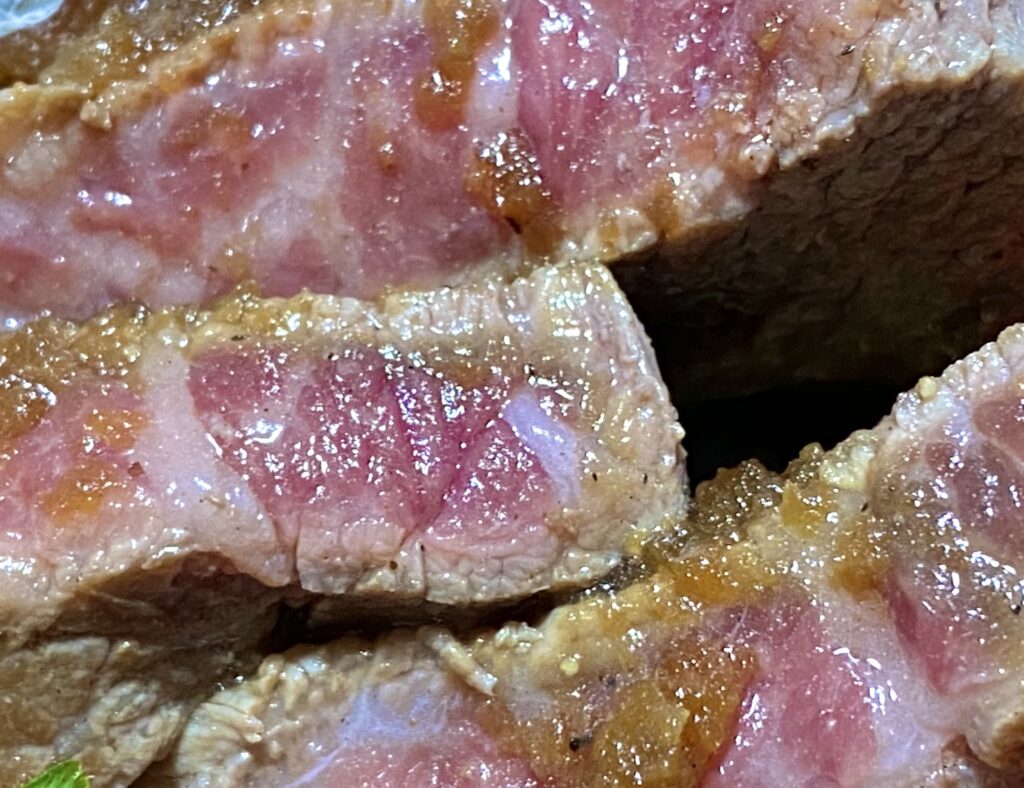
To close and more
Like those works, there are numbers (and kinds) of craft/skillful workers in Japan. We must thank them for specializing our country with their technique.
Are you still interested in other features of Japan?
If you are, please visit our front page. And even, we keep more articles on that.
However, they are a lot (really, really a lot). Then, we separated them into four categories.
It is about the Japanese lifestyle, food, history (mainly about the Edo era), and religions. You might find what you want to know in the right spot.
OK! Let us say THANK YOU for reading this article! See you for the other discovery of the Japanese feature.