Hello again! It is the blog How Unique Japan! We always share features about that country!
What comes this time?
Today, we would like to write about objects of faith in Shintoism. The Three sacred treasures; Sansu no Jingi.
So, what do you think about them?
There should be various objects that people pray to (for instance, a cross, a book, or a building), depending on their beliefs. The Japanese original religion, Shintoism, is no exception.
(We have already written about one object. It is Gohei. Check here!)
But Shintoism is a natural worship. It means we used to pray to mountains, rivers, or rocks/stones as messengers of the deities or as deities themselves.
Yep. There should be a ridiculous number of objects.

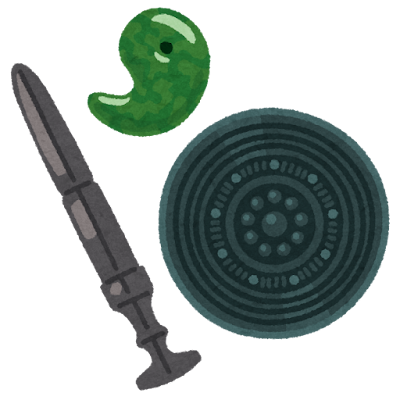
However, we Japanese have retained three objects of faith, which serve as proof that Japanese history itself began. Indeed. They are ancient and national treasures called the *Sanshu no Jingi (the Three Sacred Treasures).
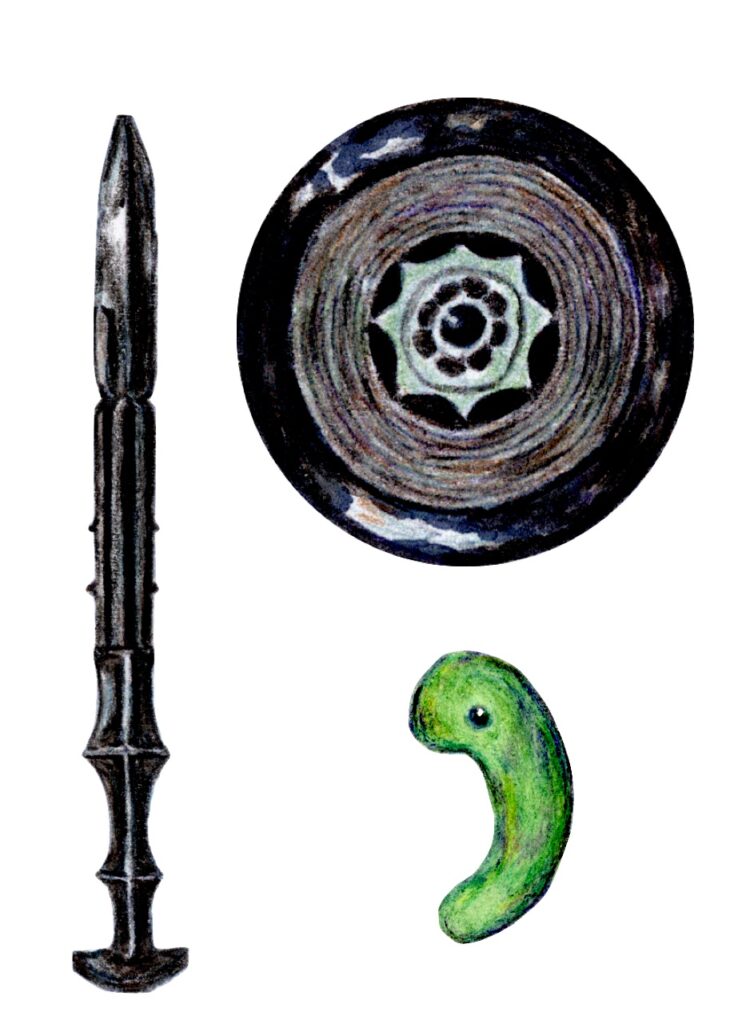
The first one is a sword, Kusanagi no Tsurugi. Second is the jewel Yasakani no Magatama. Then, the last one is a mirror, Yata no Kagami.
Today, we will see more details about those treasures.
* In Japanese, ‘no’ is a particle equivalent to ‘of’ in English.
The history and details of the objects
First of all, those objects of faith belong to the Japanese royal family line. It is the Tenno (the Emperor in Japan). The line has passed down its objects to the new ruler after the previous king’s death.
In the legend of Shintoism, the main deity of Japan, Amaterasu Omikami, gave those treasures to her grandson, Ninigi no Mikoto. Amaterasu hoped the treasures would guide him to settle the nation peacefully for the sake of their descendants, thereby legitimizing their authority as the true ruler.
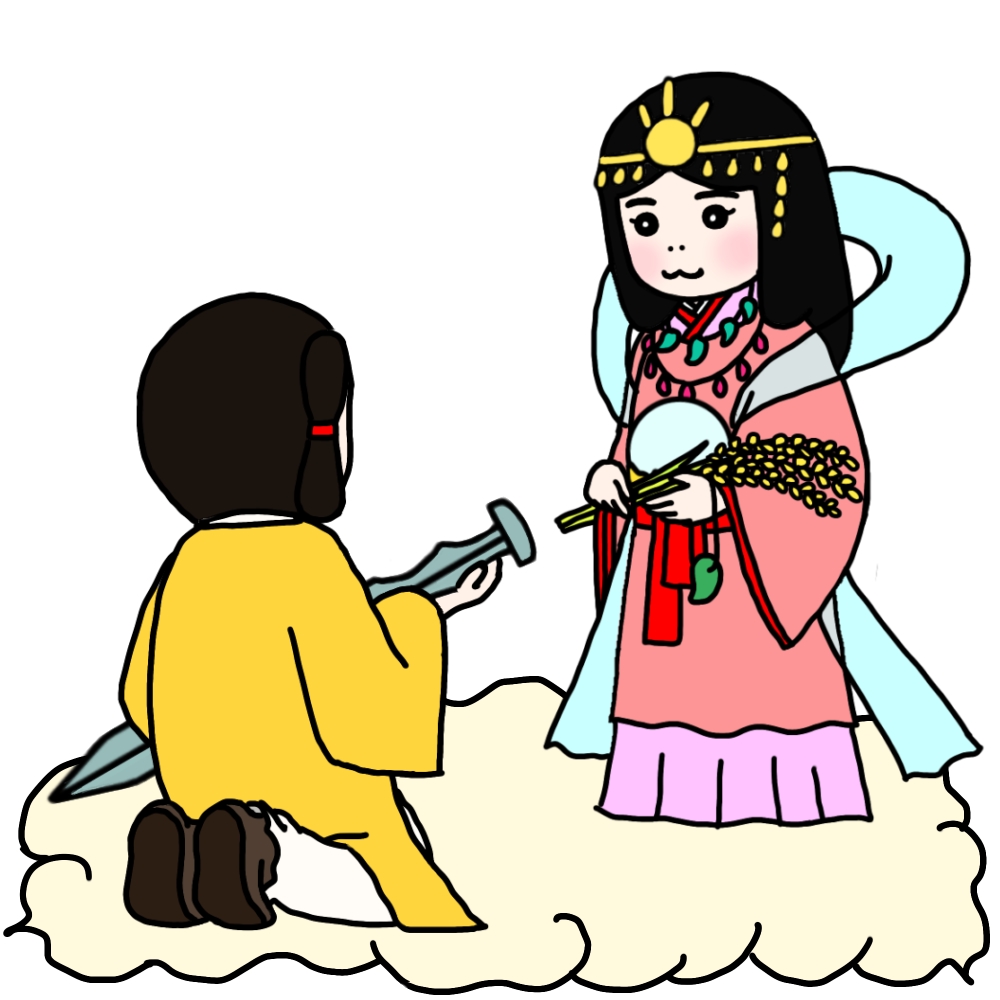
He was the first Emperor (Tenno) and created our country. Since then, the Tenno family line has passed those treasures down to the next generation (the new emperor).
Then, how old are the treasures?

Various theories try to decode the mystery. At least, some historical documents from the ancient era, the Nara era (710 – 794), mention the treasures. So, the Sanshu no Jingi would be over 1000 years old. Incredible.
They are the representatives of Japan itself. It means they are powerful and proof for the ruler of the country.
Hence, there were significant civil wars between strong Samurai in the past. They were for taking the objects and the royal family line as their ally.
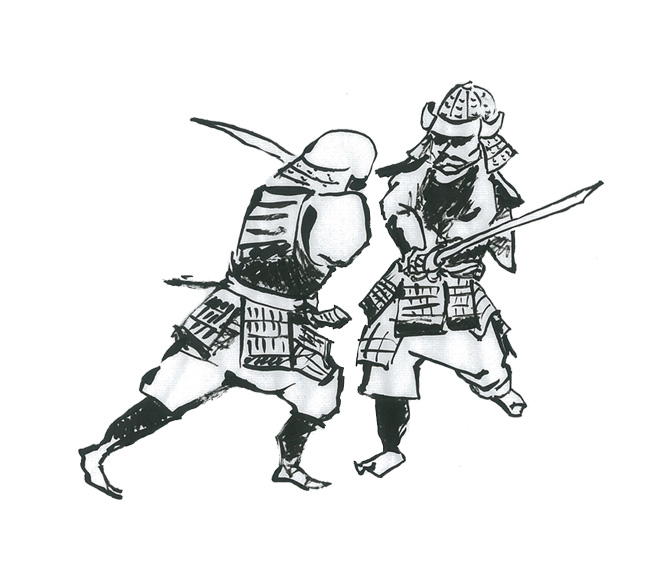
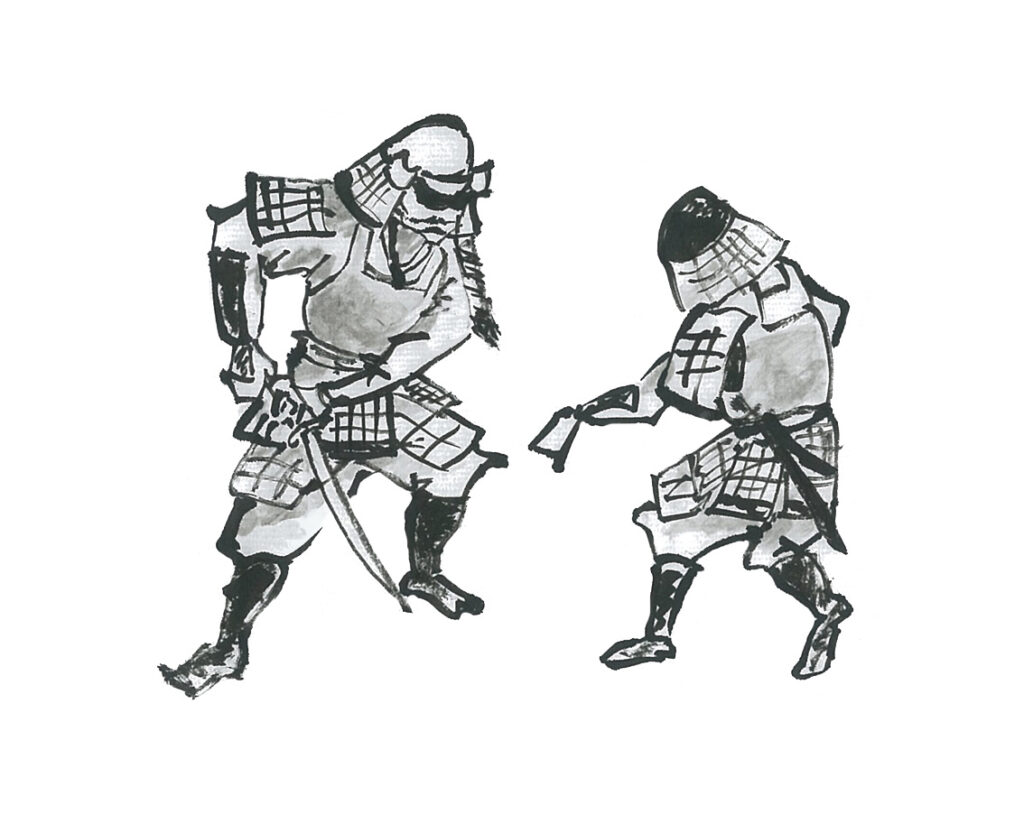
Do you wonder why the Samurai clans did not simply take the objects from the Tenno family?
Please remember. The family (the Tenno family/blood line) is like a demi-god for the Japanese. That is why the deity gave them as presents to her descendants.
Attacking the line is, of course, a big taboo. Thus, the Samurai had utilized them as an ally in their intention to be the true ruler.
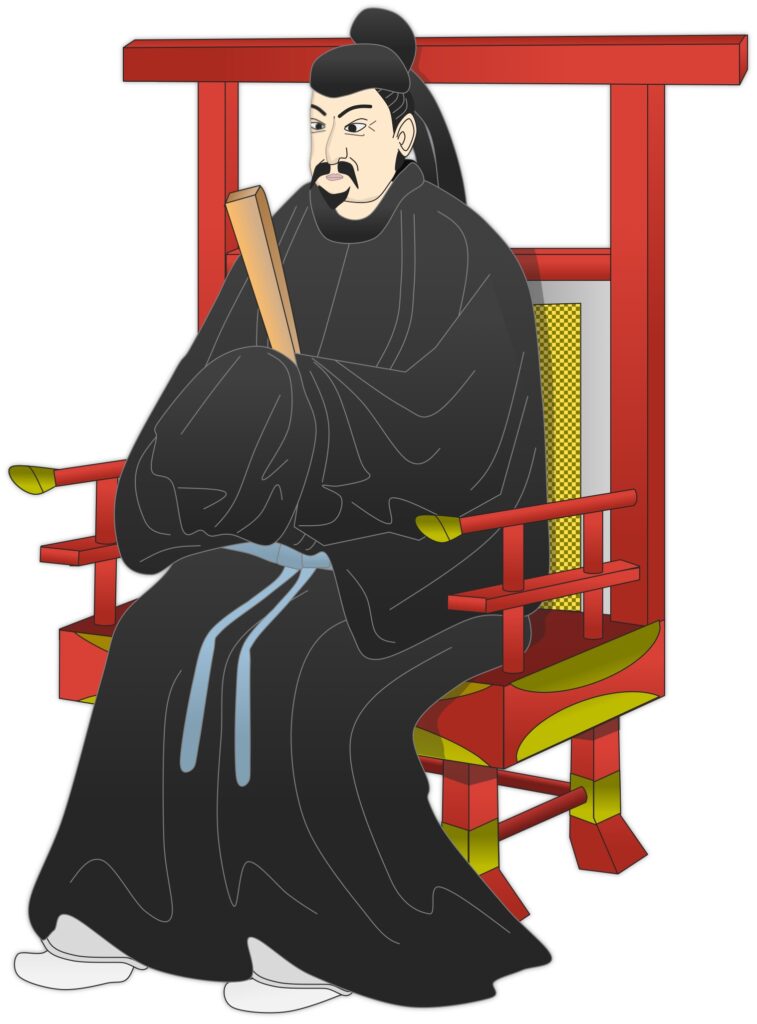
How complicated and cruel. That is why there were many wars concerned with those objects (and the Tenno family).
There is one example (the Civil War) to show how cruel things were.
It is the war in Dan-no-ura (the Heian era 1185). That was a significant conflict between the previous ruler, the Taira samurai family, and the rebel side, the Minamoto family. Ura means a bay cove.
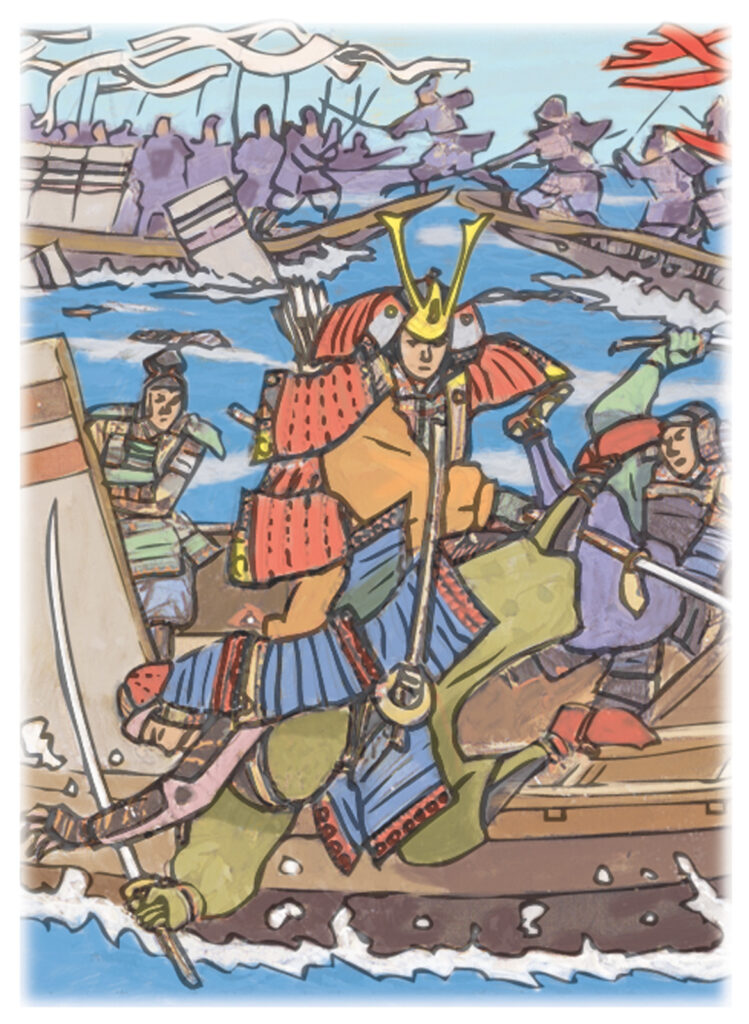
The terrible incident happened when the previous ruler, the Taira family, got cornered. The Lady Nii and servants jumped into the water with the treasures and the Tenno.
Yes. They tried to commit suicide with the power, because they never desired to give it to the Minamoto family.

How sad Tenno was. He was only EIGHT years old, and the Kusanagi no Tsurugi was also in the bay cove.
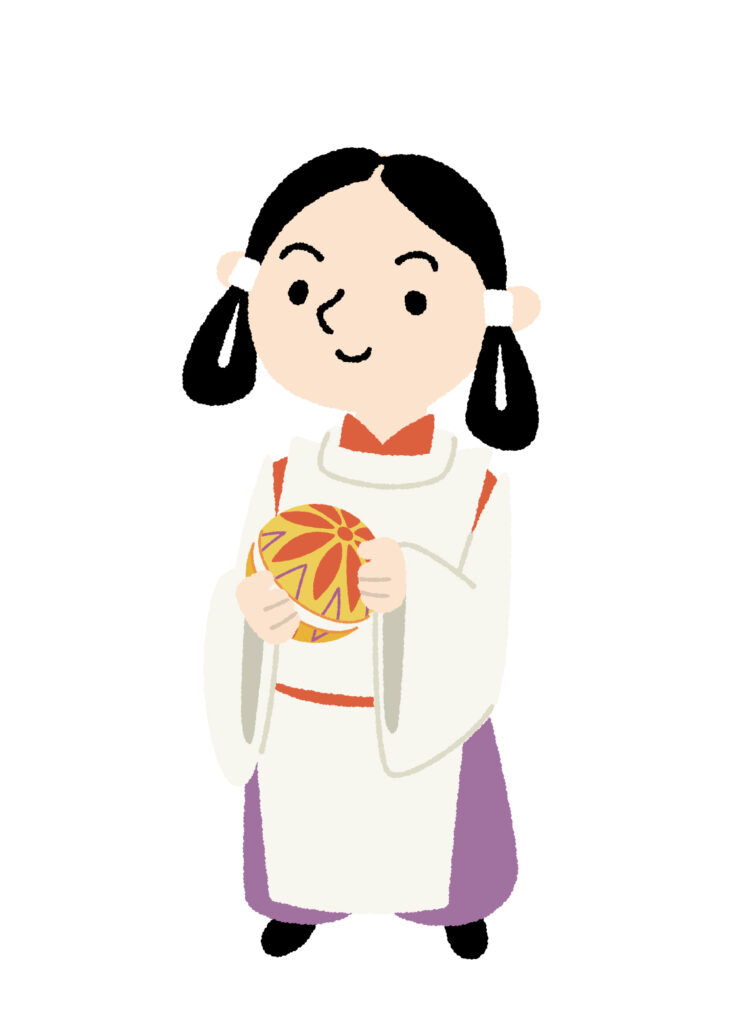
(After that, the power naturally went to his relatives.)
Umm. Does that mean we Japanese now have only two?
Do not worry. The sacred weapon was an official replica with the power of the original one.
But why is there a replica from them?
Because they are the most sacred (and essential) treasures for Japan itself.
In the next section, we will explore how sacred and mysterious they are.
The Jewel, Yasakani no Magatama

The jewel (a part of a necklace) takes a bizarre shape.
However, we can usually find that style treasure in ancient ruins in Japan. Some of them surprisingly date back to 7000 BC!
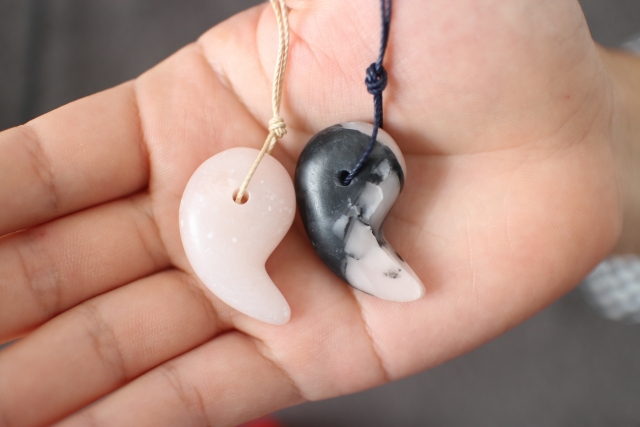
But why do they look like that?
Some historians say that the origins are from fangs or bones. Therefore, it formed a small, round body with a tail.
Yap. As you might have known, decorating himself with such ornaments was a sign of good status as a leader.
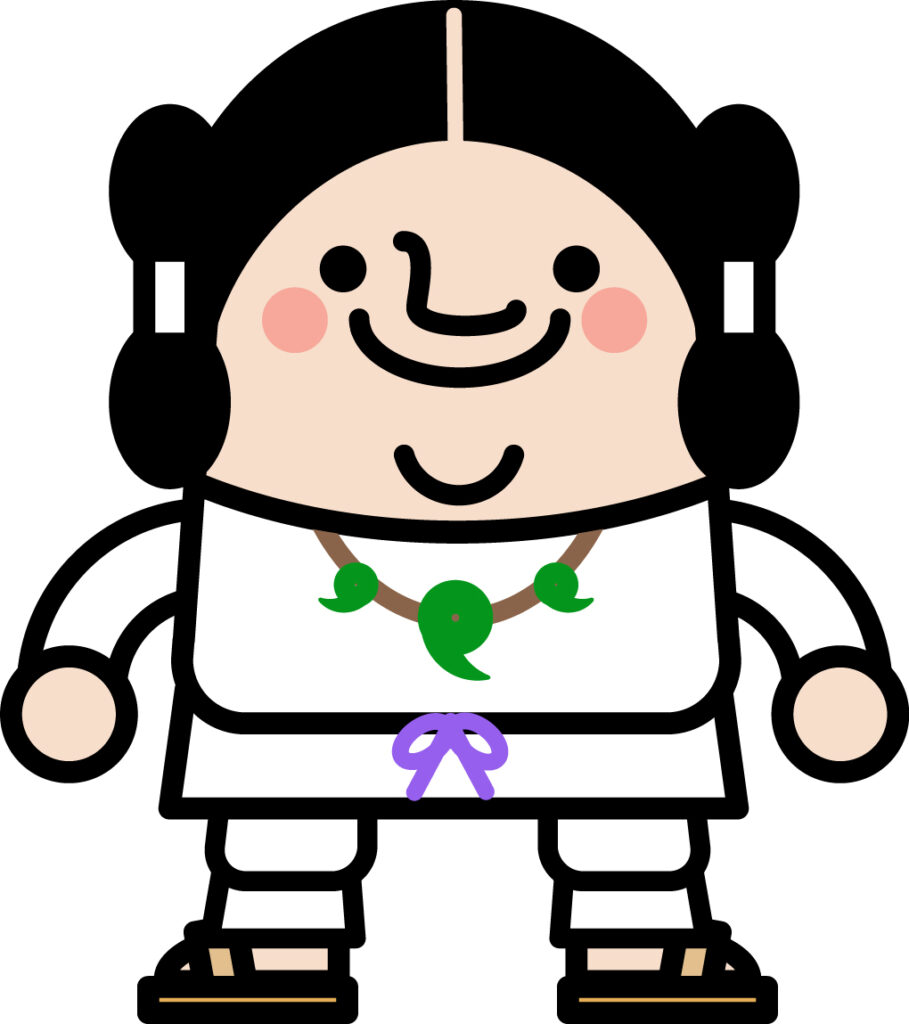
After time passed, the material changed into stone. The ancient nobility even created the jewel from agate and crystal (the jewel is jade). The ancient Japanese also added some spiritual meanings. Their shape became a symbol of life because its appearance is similar to a fetus.

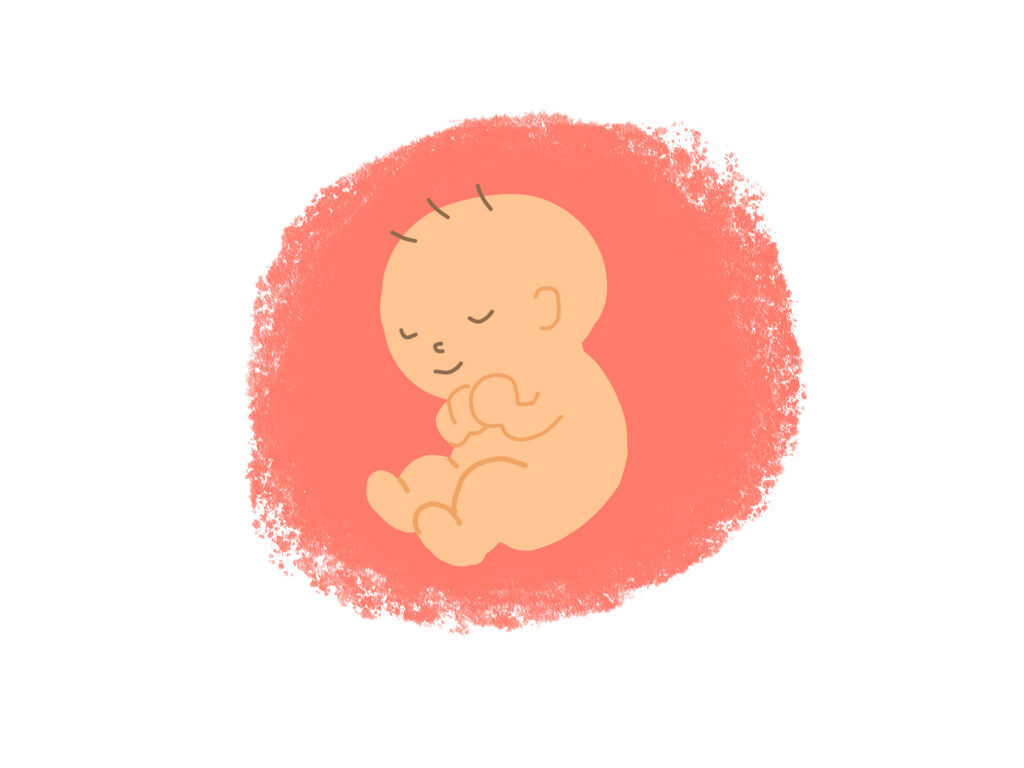
Not only that. The shape is a symbol of the Cosmos. So, they also mean the sun with the round body, and the tail meant the moon.
That C-shaped jewel became a significant ritual item.
Indeed. The jewel belonging to the Tenno family is the most precious one, because it was a gift from our deity, Amaterasu Omikami.
Yata no Kagami, the Mirror
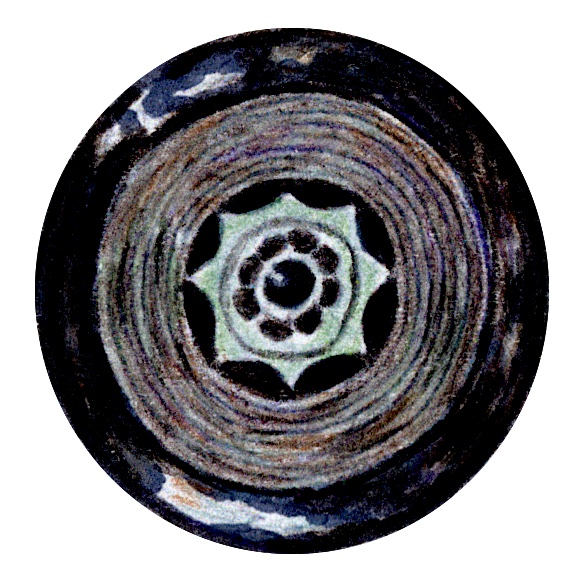
It is the second symbol of Japan. It is also from the deity.
Why did she keep it?
It is due to a legendary incident concerning her. That was Ama no Iwato (a gigantic rock door of heaven).
On the page about Amaterasu Omikami, we have already written about her hiding in a cave. The ancient Japanese and other gods tried to pull her out.
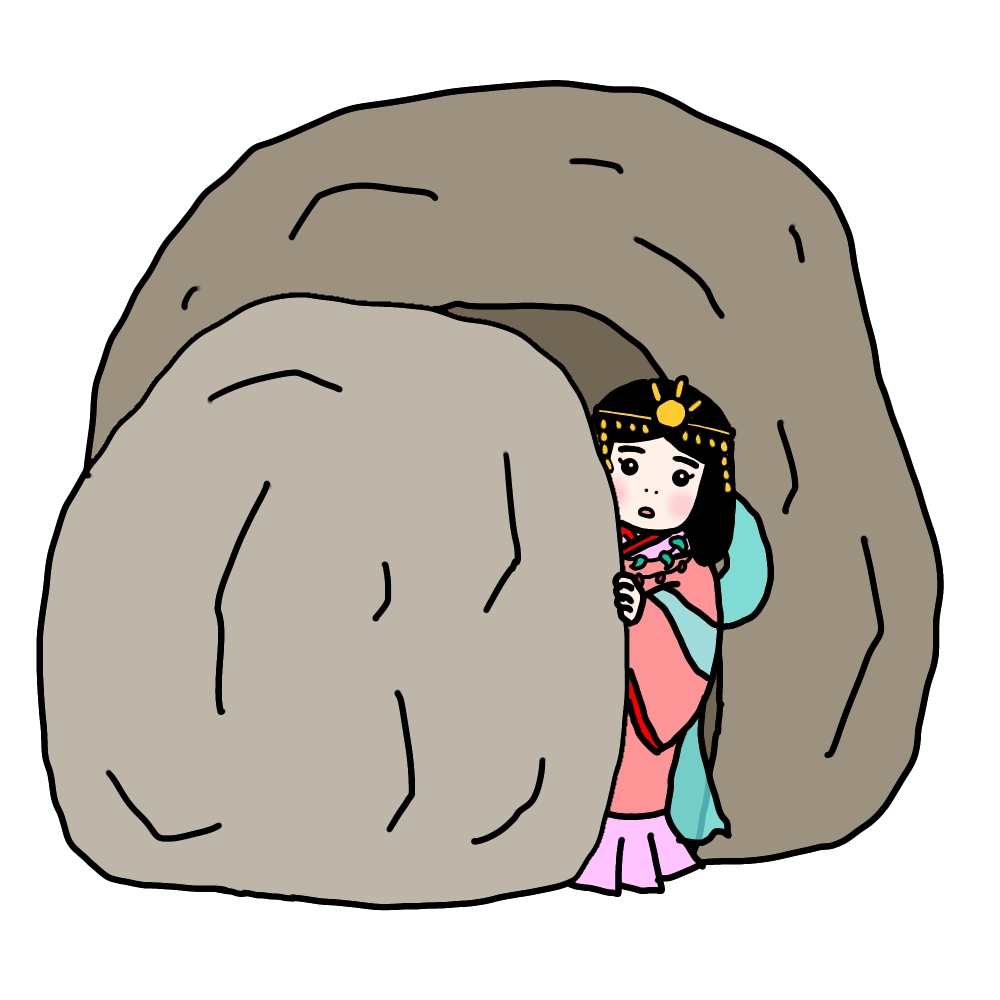
The incident is also in the oldest historical document of Japan, the Kojiki. (712 AD). If you want to know why she hid behind the rock, please click on this article.
The people and gods then hold a festival to lure her. So, it was one item that caught her curiosity, because a mirror shows the reflection of one’s appearance.
After she emerged from the cave, the object symbolized truth, sincerity, and justice.
Kusanagi no Tsurugi, the Sword
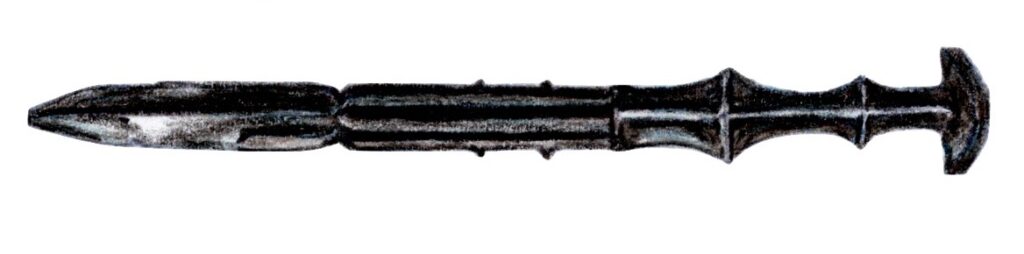
The last symbol from the deity is the most mystical object, because NOBODY SAW IT except the Japanese emperor/Tenno.
Why is that weapon sealed so tightly?

It is due to the background of the object.
The deity, Amaterasu, who gave those treasures, has a younger brother named Susano. He was a sea god and the founder of the treasure.

It is when he descended to the land (our physical world) from the Japanese heaven, Takamagahara, that he noticed residents suffering from a gigantic serpent monster, Yamatano Orochi.
The monster was terrifying because it had eight heads and eight long tails connected to a large body. Then, it (or they?) ordered villagers to give him a beautiful girl every year.
Yes. It was a sacrifice.
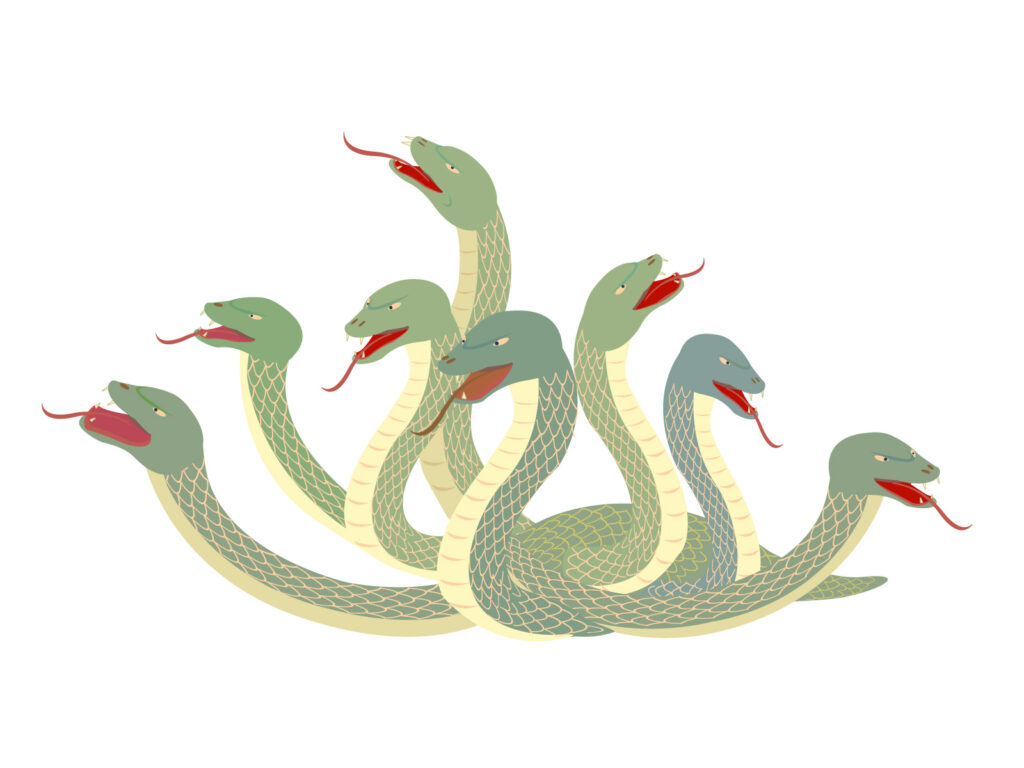
Susano felt anger and desired to rebel against the habit/rule created by the monster (Orochi).
So, he fought that monster and defeated it.
Hey, when will we catch up on the topic of the arms?
Hold on, please. The strange incident happened after that.
The weapon miraculously emerged from one of its tails.
Hence, we treat it contains/keeps a great sacred power enough to curse anyone who physically sees the object.
It is why it is in tight security, where nobody can see that. By that regend, people (especially the royal family line, Tenno) believe the arm contains too much power.
What is more?
Fhew. We did not expect this article to become so long. Thank you so much for reading this.
But our blog is not over yet. If you are still interested in Japanese features, we have articles categorized into four.
On the front page, we have topics about the Japanese lifestyle, food, the Edo era, and religions.
Would you like to learn more about our country?
Please challenge them!
OK. This time ends! See you for the next knowledge adventure in Japan!