Hello! It is the blog How Unique Japan!
We always share some Japanese features!
So, what comes today?
This time, we will talk about the youngest brother of our country’s deity, Amaterasu Omikami. Although he is one of the gods in Shintoism, he was a brat who threw a big tantrum, devastating the Japanese heaven, Takamagahara, and even deities (his sister and brother).
It sounds like Ares in Greek legends.
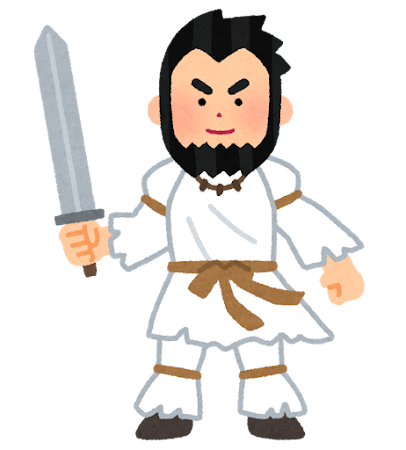
But after he got kicked out of Takamagahara, he became a hero in Japan. He was a brat, but now a hero. It is such a unique character.
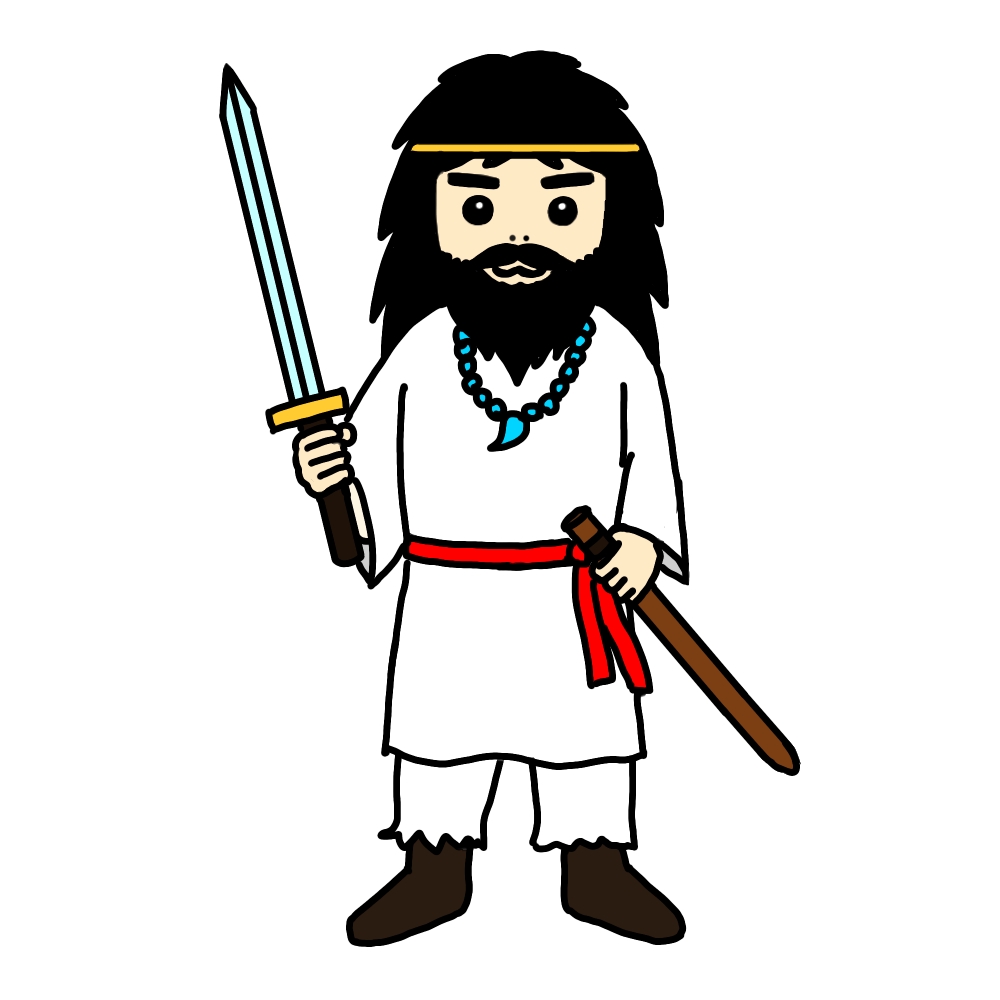
He is Susano.
Who is Susano?
What does he organize as a ruler (god)?
He is an incarnation of the sea and a heavy storm. We already wrote that his childish actions almost ruined Takamagahara. He was an aggressive god with power.
However, the ancient Japanese strangely prayed to him as a protector against any bad luck and illness. Because they thought such a power also takes them away and purifies them.
He is also a god of flood control.

Huh? We just said he was the storm (and the sea) god, but can he calm the flood down? It is the opposite role and sounds ridiculous.
How can he be like that?
His complex character originates from legends found in the oldest historical record, the Kojiki (712 AD).

Next, we shall show some details of the stories in the Kojiki.
How was he born?
In the article about Amaterasu, we mentioned that they were born from the tears of her father, Izanagi. (If you want to know why he cried, please refer to the article “Amaterasu Omikami.)
He continuously made teardrops three times. The first one transformed into the Amaterasu.
The second teardrop became Susano’s older brother, Tsukuyomi. After it, he was born.
Indeed. Susano was the last one of those tears.
Their father, Izanagi, ordered them to rule each world.

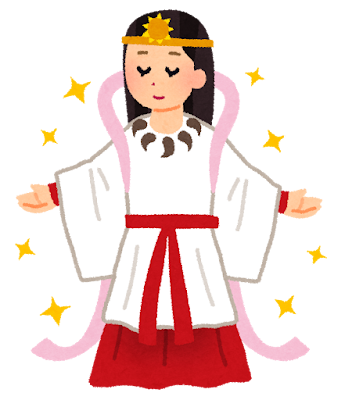
The oldest sister, Amaterasu, got the sun. The oldest brother, Tsukuyomi, gained the moon. Then, the protagonist for this page, Susano, got the order to rule the SEA.
He was dissatisfied and complained about the orders. He said.
It is unfair! My sister and brother have a much more beautiful world than I do!
(Be honest, we do not understand his yelling. The sea is also stunningly beautiful.)
First half of the legend, his jerk
And then, he did too sulk to work as a ruler of the sea. He disregarded the previous order from his father, as well as from his sister and brother.
Izanagi got sick of his actions. He questioned him about why he exhibited such behavior and pushed him to answer.
By the question, he became more pouty. Besides, he screamed and said that he deserved to meet his deceased mother again.
Yes. He became a big baby. (If you want to know why his mother, Izanami, died, please click here.)
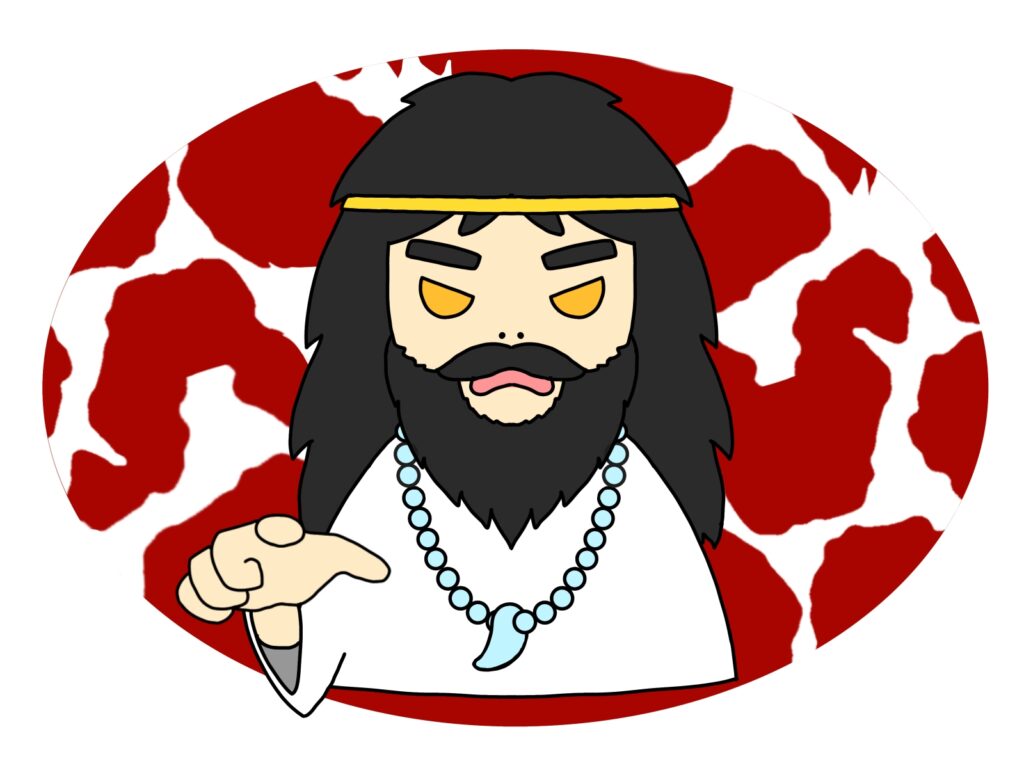
He threw an annoying tantrum. That almost ruined the Heaven of Japan, Takamagahara, nor did his oldest sister.
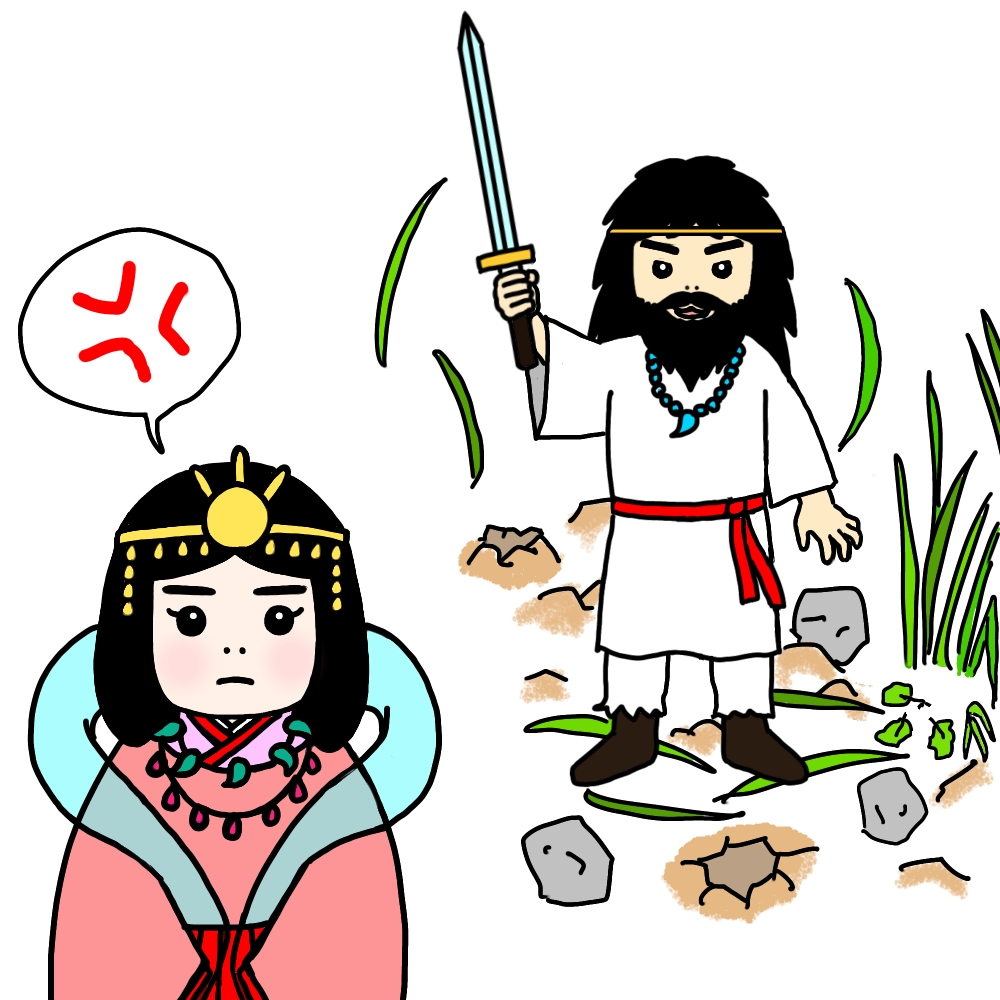
Amaterasu Omikami was really ashamed of her youngest brother. Then, she hid in a cave.
Repeated troubles, becoming irresponsible with questions, and screaming his request that he wants his dead mom.
There are no excuses. He got kicked out of Takamagahara.
It was the first half of his story.
Please do not quit reading this article!
Indeed. Susano was terribly childish. But, from this incident, his heroic story (legend) began.
The second half of the legend, his change
Where did he descend to?
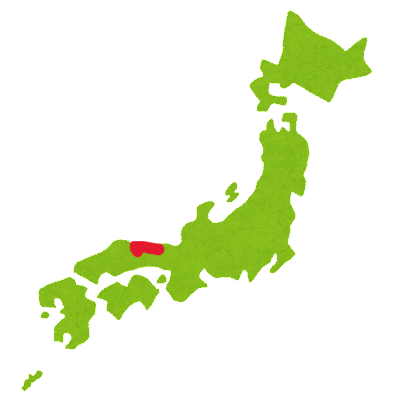
It was the Izumo-no-kuni, now we say one prefecture, Tottori. And it is also where his legend begins.
At the time he evacuated there, the village was in big trouble. It was from the monster of the serpent Yamata no Orochi. It ordered the villager to give him a beautiful girl every year. Yes, it was a sacrifice.
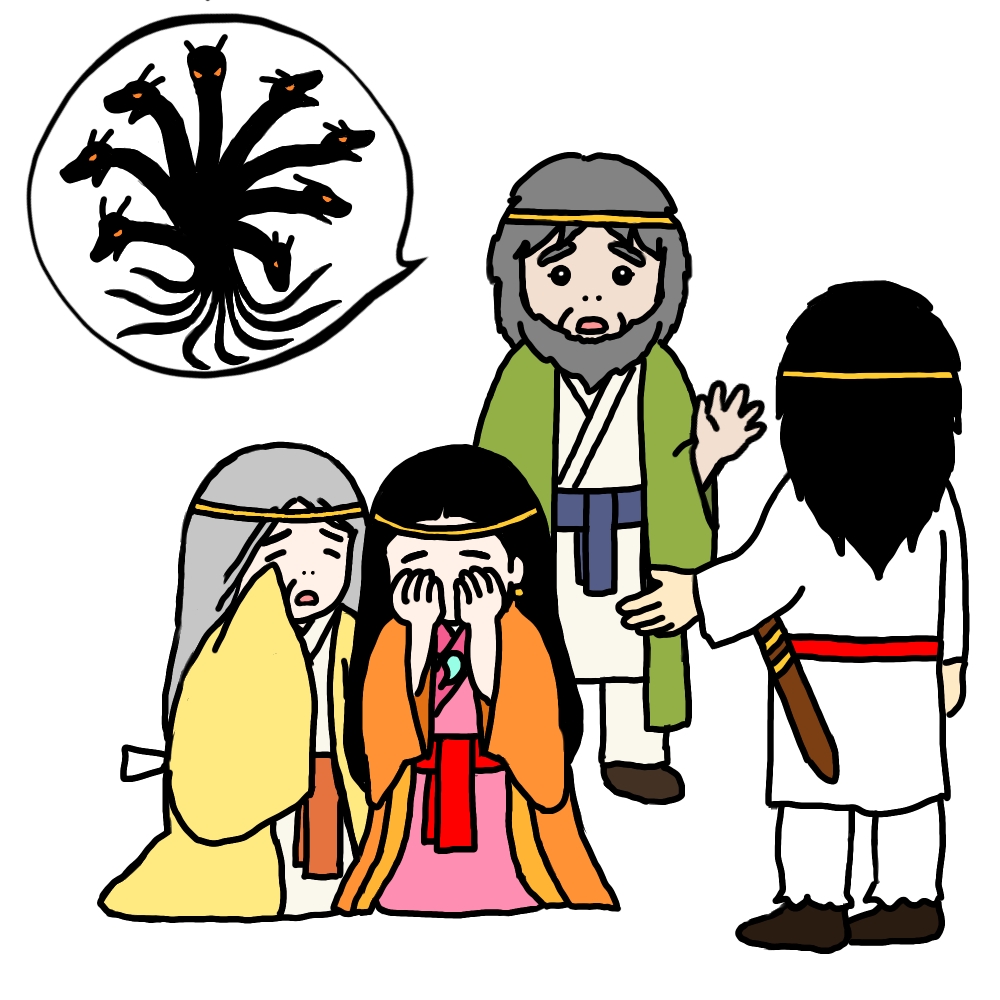
Susano got angry at such a tyranny and decided to beat him. But he had to plan for the battle carefully.
Why? It was due to the size of the serpent monster.
We already wrote its name. So, Orochi means a serpent. Then, how about Yamata? (No means particle/preposition in Japan.)
The ya is the number eight, and we can translate mata to divided.
Indeed. It surprisingly had eight long necks/big heads, and tails connected to a large body. Not yet. Its size was also terrifying.
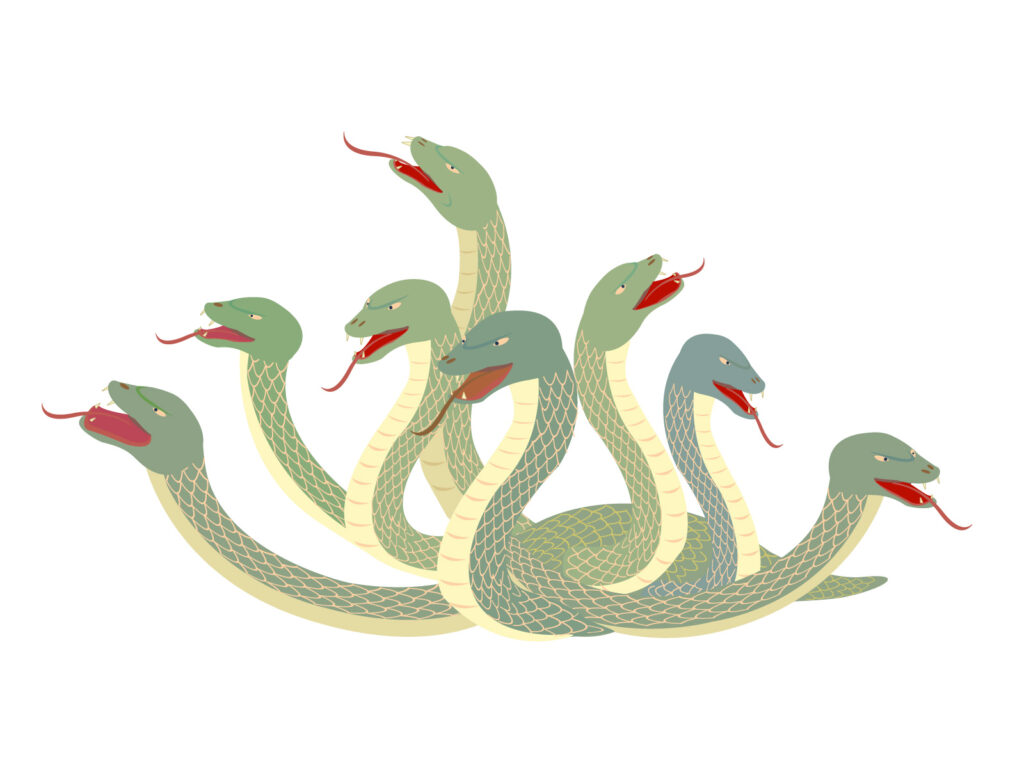
The eight also had a different meaning. Its body was over eight mountains and valleys.
Wow. Godzilla would be pale if he faced it.
Yap. It was so reckless to hunt it without any plans.
So, he got an idea. He ordered the elder parents of a beautiful princess who would be the sacrifice that year.
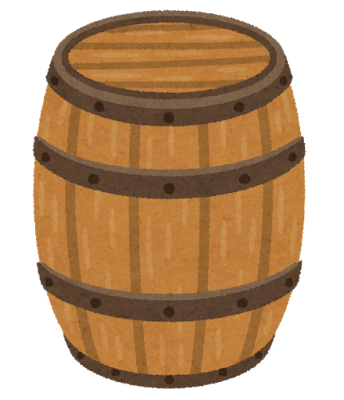
The order was to prepare eight barrels of nice and tasty liquid (Japanese sake). Susano placed them in the cave where the sacrifice would be.
Do not tell us that he planned to get the monster heavily drunk and dizzy.
YES. WHY NOT?
His plan worked. Yamata no Orochi became intoxicated and fell into a deep sleep. The fortune was on his side! He cut the eight heads down and subjugated the monster.
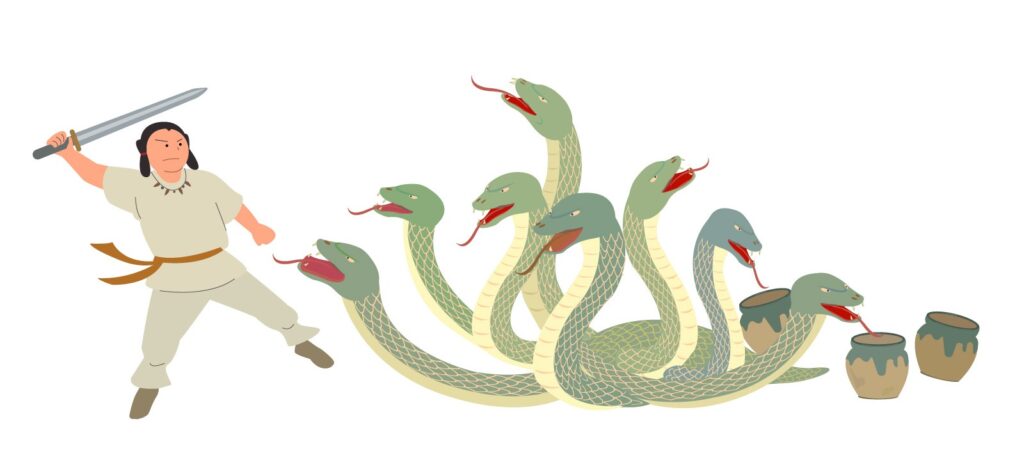
Please do not say it was cheating.
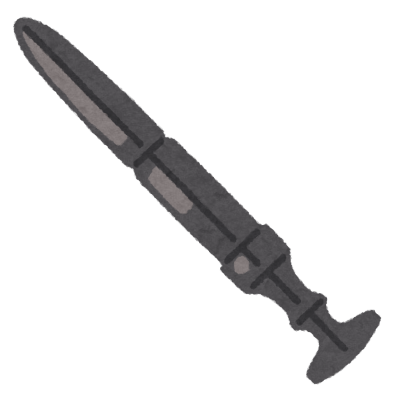
The legend is not over yet. After Susano successfully beat it, one of the eight tails oddly started sparkling. Then, one sword emerged from it. The sword became the most sacred object in Japan. It is Kusanagi no Tsurugi.
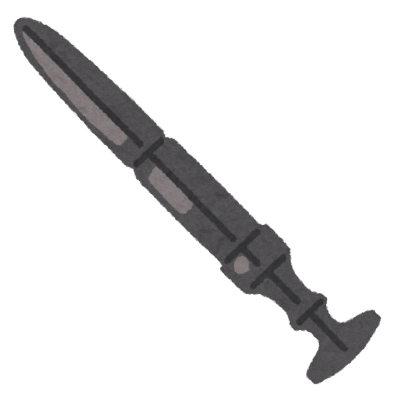
We are not sure it is a true story (of course not). However, such an ancient object truly exists as the three treasures in the emperor of Japan, the Tenno family line. (If you are interested in those treasures, please click here!)
And after that battle, he also got the license as a flood control god. It is because the serpent monster was an incarnation of the flood deserters. (In another legend.)
The storm god defeated the flood monster. Perplexing.
The epilogue of the legend
The village people treated Susano as a hero. After the big hunt, he got married to the princess who was the sacrifice.
Then, he also left some more legends. He made the oldest poem in Japanese history, which was about searching for a new home with his love. (It was also from the oldest Japanese historical document, the Kojiki, 712 AD.)
As a result, he developed the land and constructed a magnificent palace.
Umm. We must doubt it was the same god in the first half of the legend.
However, such an ambiguous character is the reason why we Japanese love him. Yep. A hero is not always a hero.
What is more?
We briefly talked about Susano today. So, there are some topics left. Do you remember? He discovered a sacred sword, Kusanagi no Tsurugi.
We also discussed the sword in the article about the three kinds of sacred treasures. If you are still interested in that topic, please click on it and read it!
It is not yet. We have more articles about Japanese features and organized them into four categories on the front page of this blog.
They are about the Japanese lifestyle, Japanese foods, the Edo era, and religions.
If you want to boost your Japanese knowledge, they will help your curiosity! Please try!
OK. It is over today. Thank you so much for reading this article!
See you for the next topic in Japan!