
Hello! Everyone! It is the blog How Unique Japan! How are you, everyone?
So, what kind of unique culture in Japan would come today??
So, what kind of unique culture in Japan would come today??
You know there are many types of measurement units worldwide, such as miles, meters, knots, and kilometers. In Japan, the number of names for units is outstanding. Please imagine. The units to count animals concern their size.
We, the Japanese, use the kanji letter, 頭 (tou/head), for animals that are of a big kind. On the other hand, we use this word, 匹 (hiki/th), if they are smaller than the previous ones.
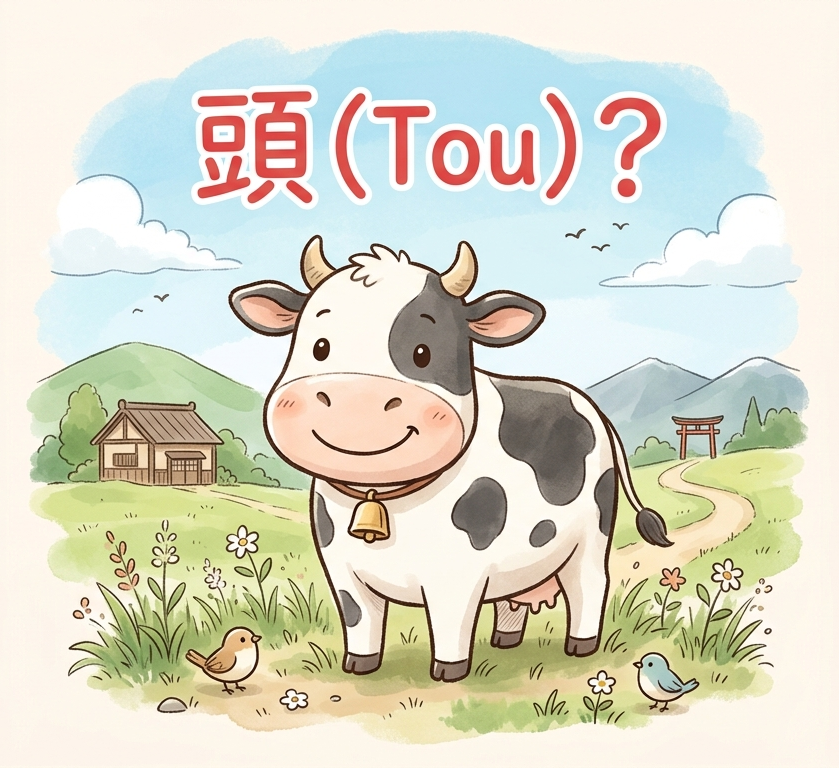
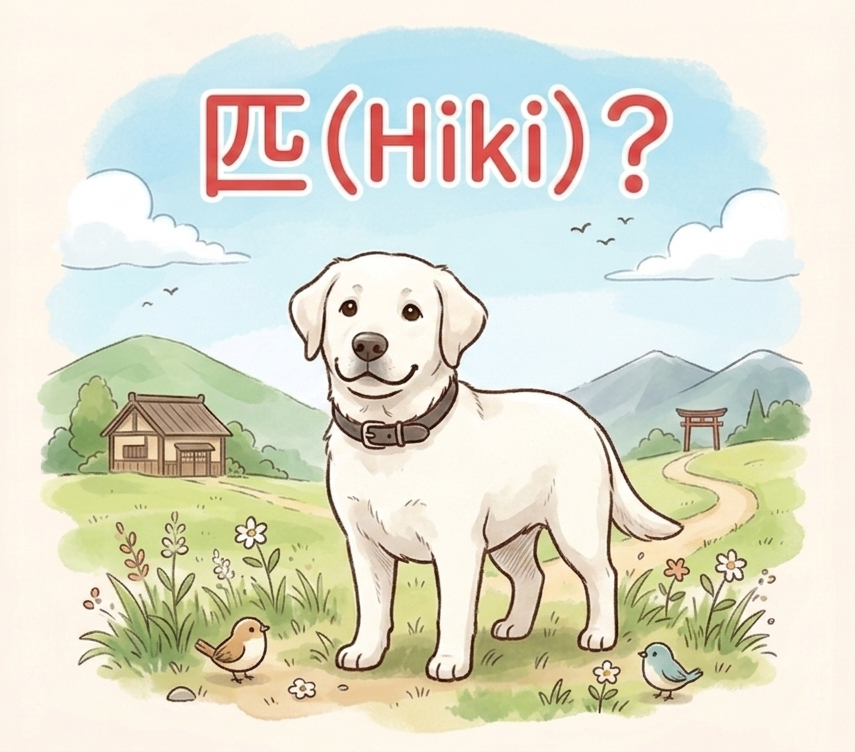
Not yet. There are more methods of counting. You can count the time, only one second right now. However, ancient Japanese finely separated between zero and one second into 6 steps (at least).
Yep. Counting ways are really infinite in Japan. The article for this time also relates to that. It is [坪/畳]. If some of my lovely readers might have had an experience of staying in Japan, you would see those letters when you choose a share house, apartment, or Inn. Indeed. Surprisingly, the names of the units are ONLY UNITS to calculate the size of land and house. It still continuously uses them in the real estate business.
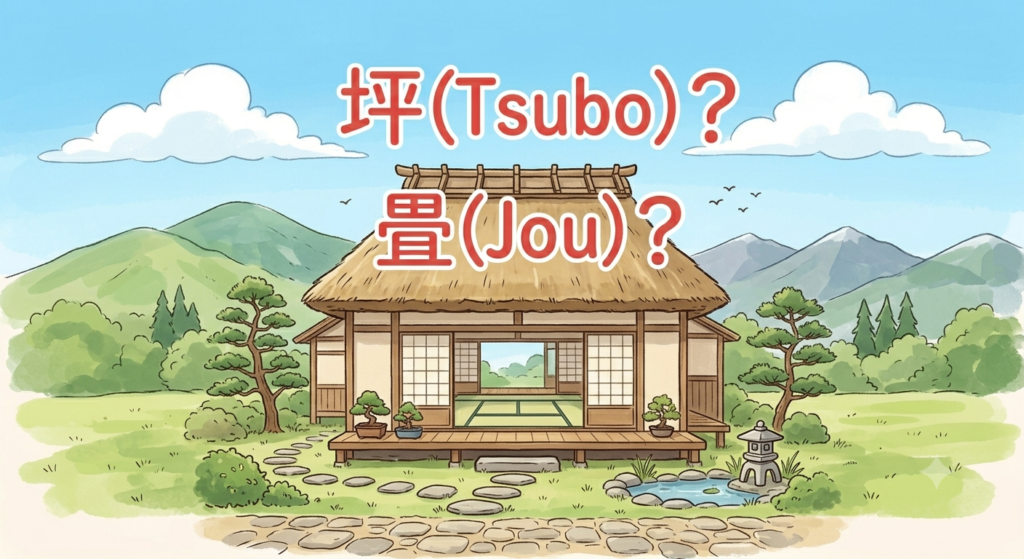
Why? Why are there two names to express the size of land/house?
What does 坪 mean?
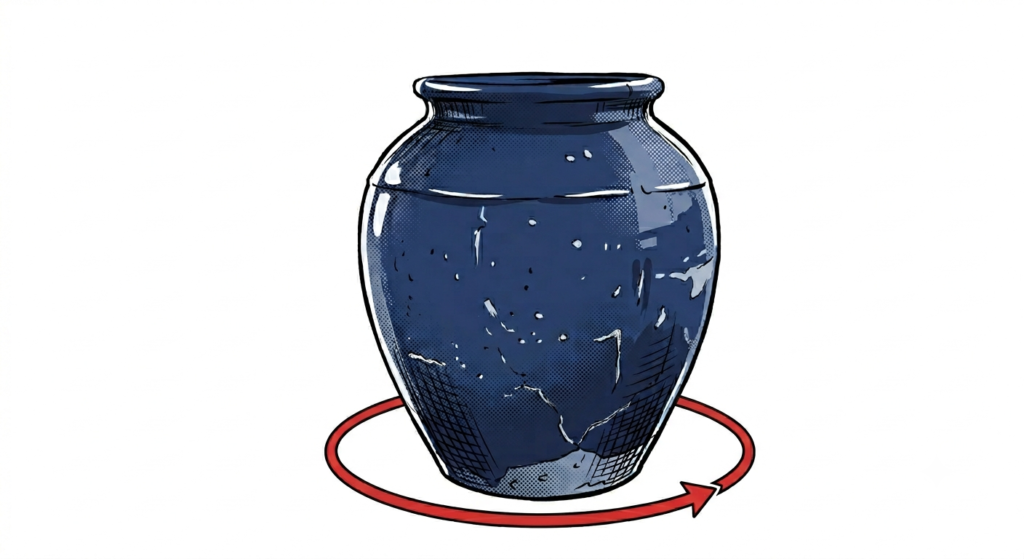
First of all, this letter 坪 means from 壺 (pottery) in some historical theories. Why did our ancestors use that Kanji as a unit of measurement for land?
Interestingly, the letter meaning pottery also has another expression. It was about [a small space surrounded by depression]. It might make sense. Come to think of it. The bottom of the pottery is also a soft form of depression. The ancestors used that letter as a unit of measurement for expansion.
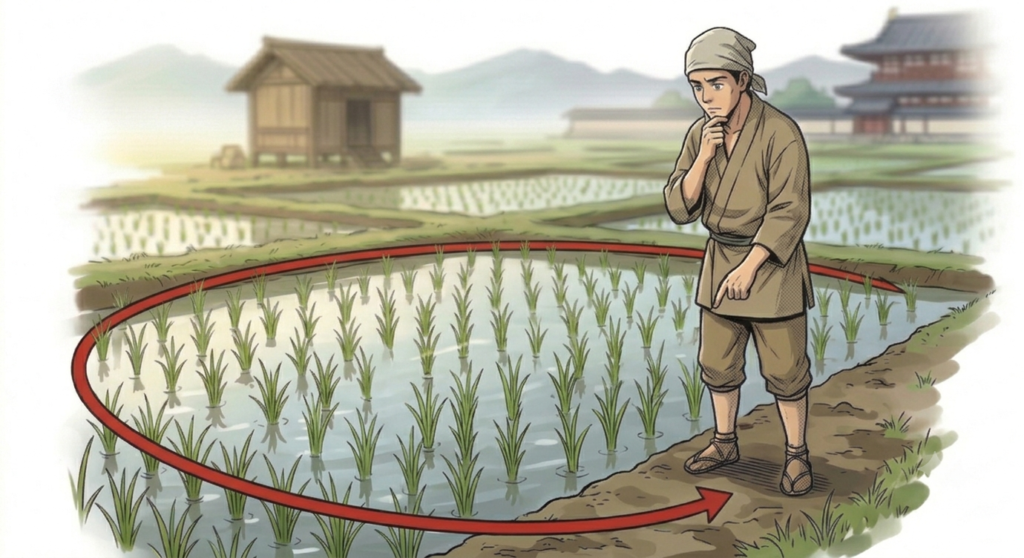
So, how was the unit born, and how large is it?
That kanji (坪/tsubo) strongly concerns the ancient era of Japan. Surprisingly, the letter in history appeared over 1,300 years ago, during the Asuka era (592 to 710) and the Nara era (710 to 794). Through those eras, the Japanese established new tax laws.
It was Rice. Indeed. The old governments collected rice from farmers as taxes because the currency and money system were not common. Therefore, the payment with rice had become a standard duty for the Japanese.
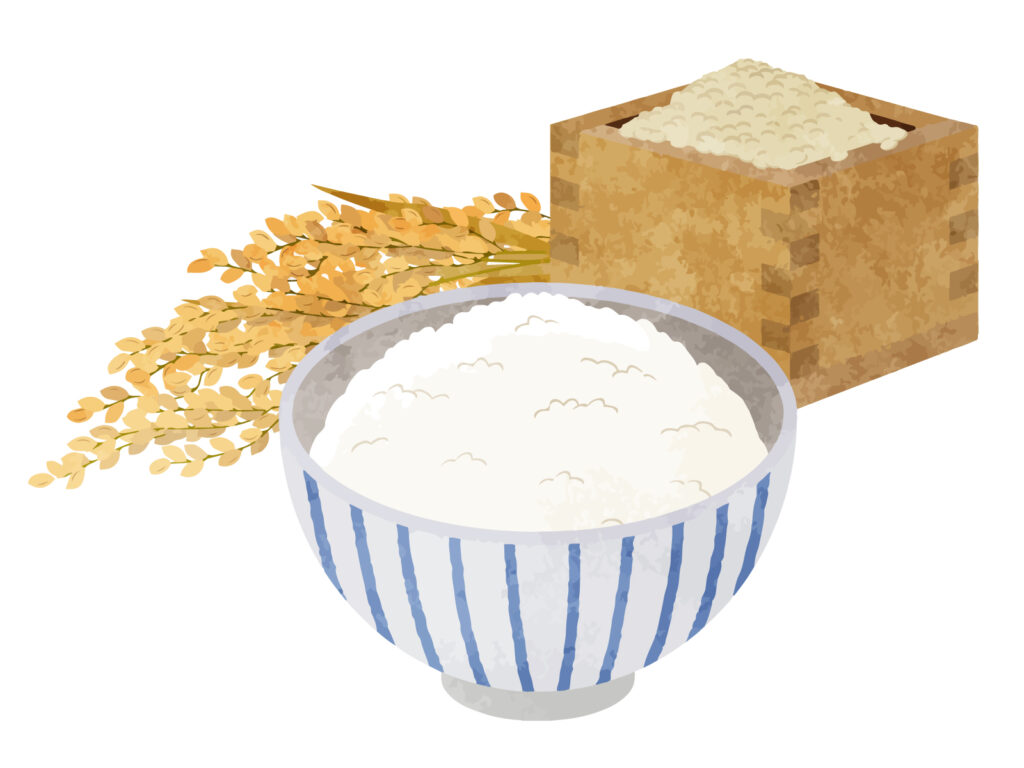

It led the ancestors to be severe about land measurement.
That is it! They first used the Kanji letter for rice fields, not for houses or land. They utilized the same letter for the land size. It is the meaning of Tsubo 坪.
Come on. It is still not clear. Then, the next letter [畳] would come to simplify. Let us see.
What does 畳 (tatami/jou) mean?
As time passed, the Japanese finally had a good era. It is the Edo. Throughout this era, the standard of daily life has been upgraded (so much).
That improvement made it possible for people to set the Tatami 畳 seats (they are green and made out of Rush) on the floors, because the seats were luxury goods.
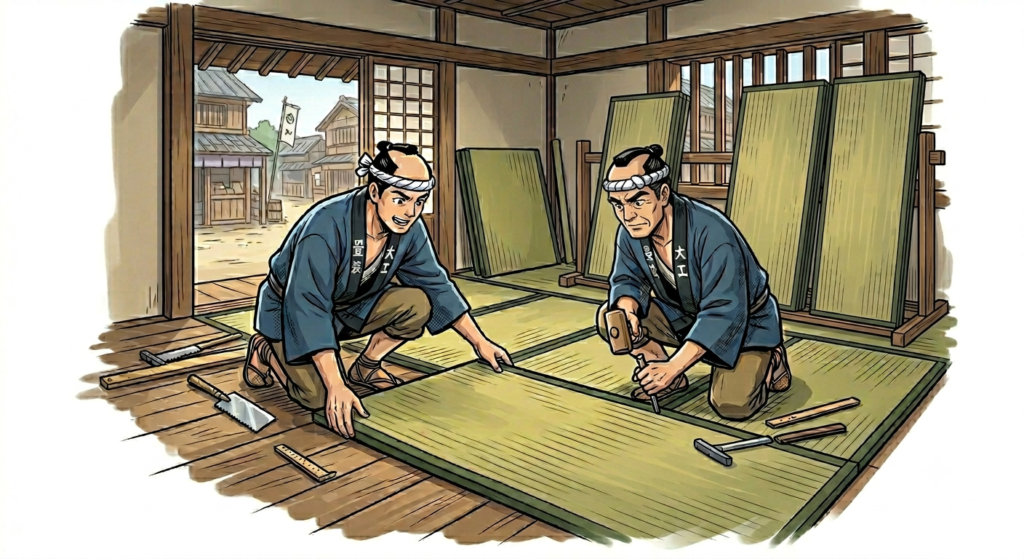
Indeed. The 畳 (tatami mat) became the standard unit to measure the size of rooms and houses. There is one more tip. Then it also changed the reading of “tatami” to “JOU”. It is another way to read that Kanji letter.
In calculation, the unit expresses one hundred eighty by ninety cm (180×90). One adult can lie down on one unit. It is the measurements for 1畳 (Jou).
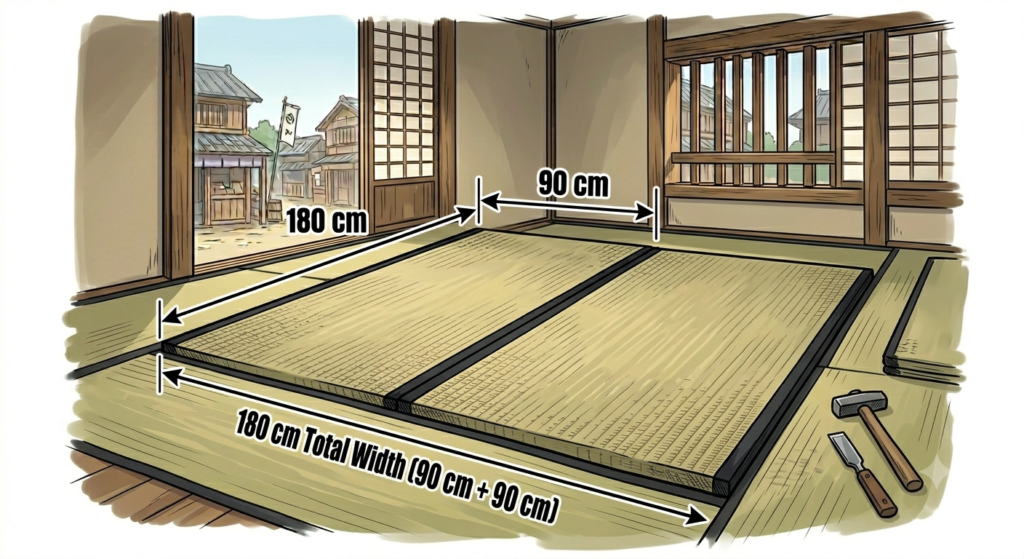
Wait a minute. How does this unit concern the unit 坪 (Tsubo)?
It was a clever way to measure. The ancient builders understood that the size of 2畳 (two tatami mats) was very close to the size of 1坪 (one tsubo). Yes. It is. They also used the unit tsubo to measure the land size for houses.
Finally! It connected the land size! Indeed. The unit 1坪 refers to an area of one hundred eighty centimeters by one hundred eighty centimeters (180 cm × 180 cm).
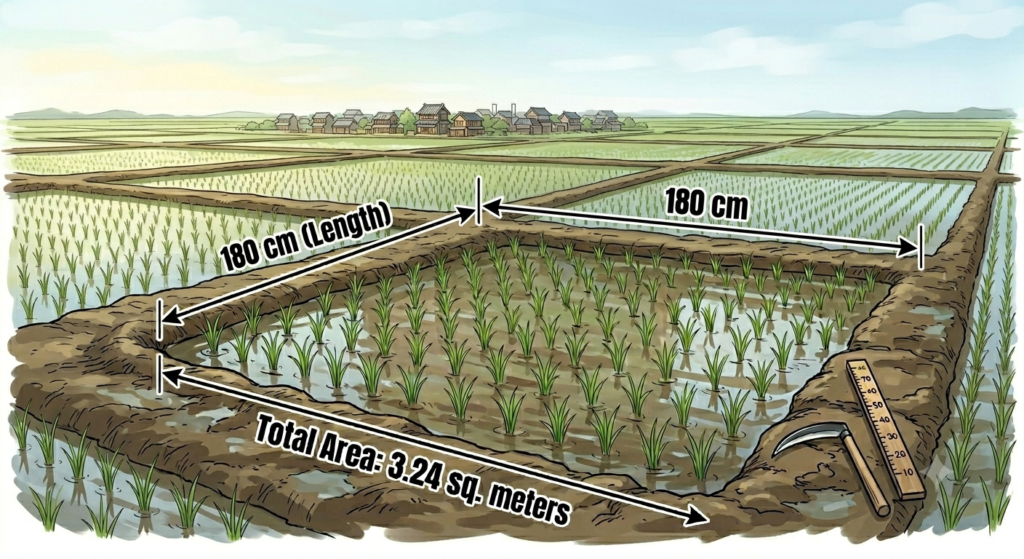
It is the secret why there are 2 ways to calculate the extent of the house and land. Those methods are still in Japan (very commonly).
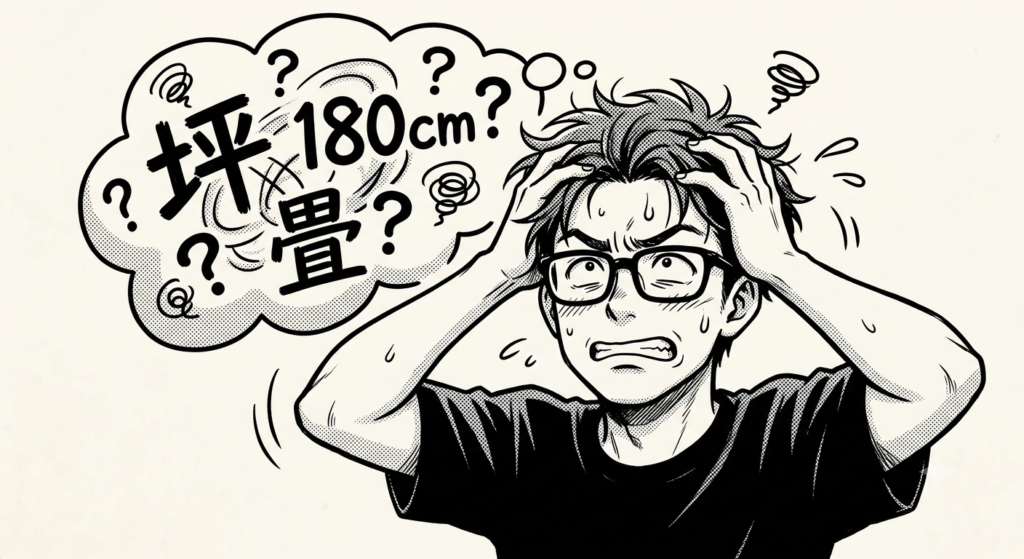
Please, oh please. Do not say that. It is so odd and complicated!! Indeed. We strongly agree with you.
Oh Jeez. Tsubo or Jou?? Why did not old Japanese change the measurement way?
What is more?
If you were complicated about this odd units, we feel so sorry! But it could be proof that it is full of interest! Thank you so much for reading this all! However, our blog is not over yet. We still have many topics worth sharing with you!
Now, we have four topics. The lifestyle in Japan, the foods, the ancient culture (the Edo era), and the religions as well.
If you are still interested in some Japanese unique cultures, please challenge them! They might be fit on you! OK then, Thanks for reading this article and see you for the next uniqueness!