Hello! Everybody! It is the blog How Unique Japan. We always share some Japanese features.
So, what comes today?
This time, we would like to discuss a traditional ceremony called Kodo. What do you think about the traditional ceremony in Japan? Probably, some of our lovely readers would consider the Sado, the Tea ceremony. (Thanks for popularizing Japanese tea and Matcha).
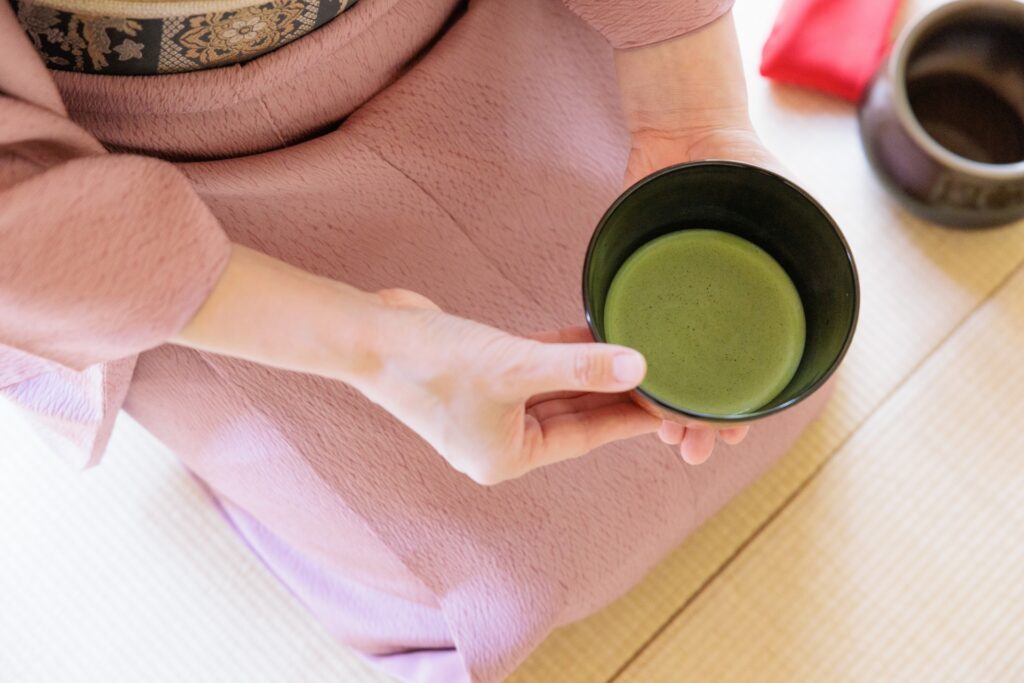
Indeed. It was the ceremony with the respect habit, which tells us that all of us have an equal right to take any actions. Yes. In the tea ceremony, the grade of society is meaningless. Any samurai or rich businessman would be in the same room.
In the ceremony, participants must respect one another and share the tea, as this is the essence of the tea ceremony.
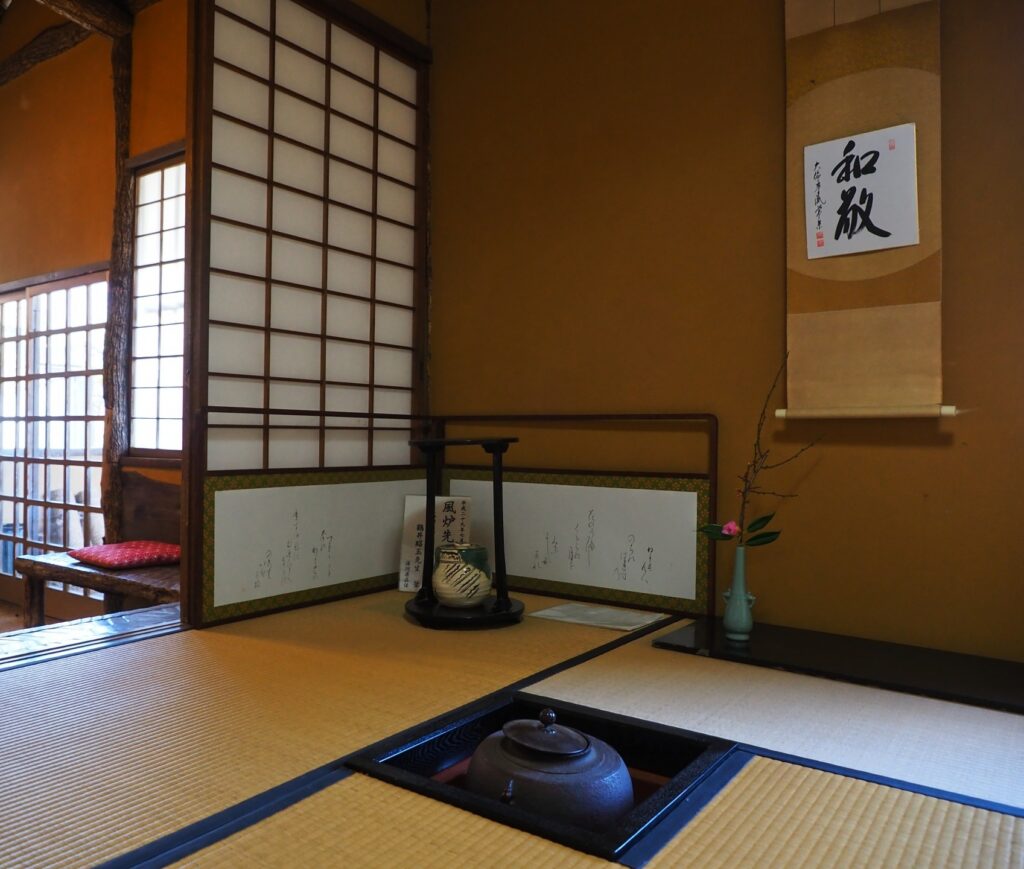
Then, how about that Kodo? Surprisingly, the protagonist in the Kodo ceremony is not drinking or eating anything edible. It is incense. Furthermore, KO means incense, and DO means a way.
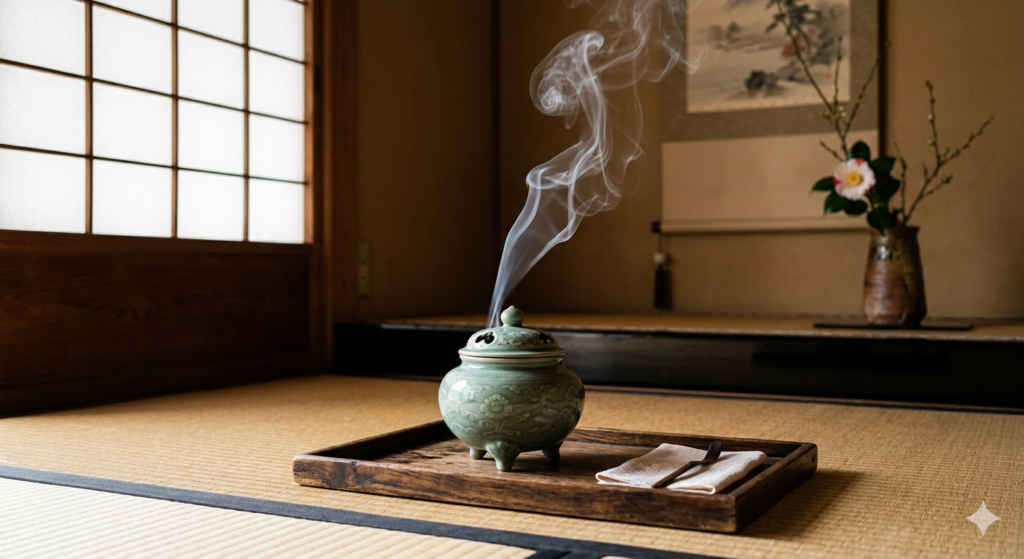
So today, we will discuss the unique characteristics of Japanese incense and the traditional incense ceremony. It was an experience for the nobles, as it channeled the playfulness through wealth and influence.
It should be different from the Tea ceremony theme.
What is the Incense ceremony? Let us see its history.
What is Kodo? (History)
The idea was born in the Asuka era (around 595 AC). At that time, some Japanese people living on Awazi Island experienced fire incidents.
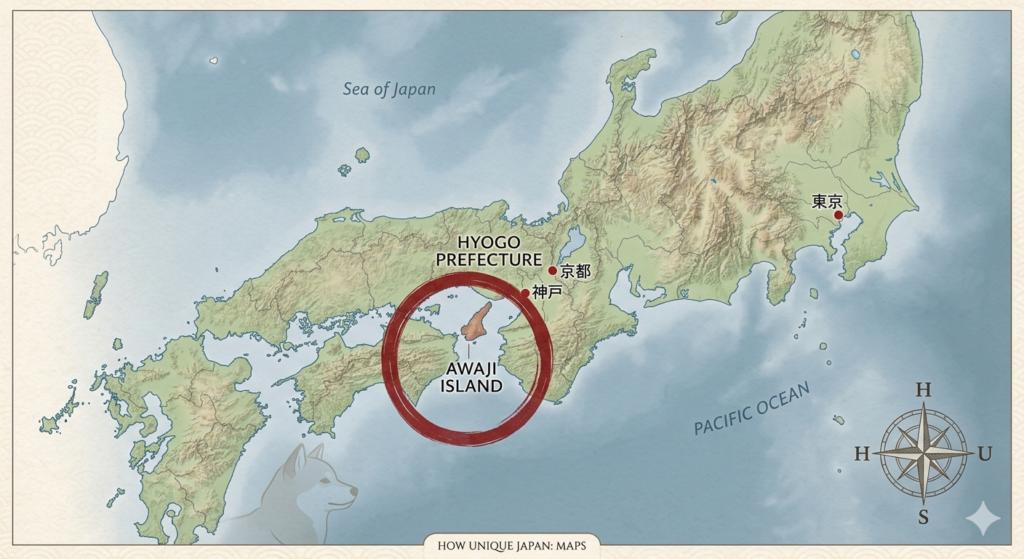
The fire was enough to smoke some of the mysterious dry trees around the shore. It was when the Japanese discovered that some special wood emitted a distinct aroma. Such a fragrance fascinated many Japanese.

It was not just dead trees. They were born around Southeast Asia. Indeed. They washed up on the island. The withered tree, infused with its unique aroma, took a long time to transform from a dry state into a precious entity, shaped by the climate, sea, and bacteria as it traveled to Japan.
Who always treats such preciousness as a toy? It is always noble. They utilized those trees for elegant games in the Heian era (794-1185).
It was the origin of the Kodo. Some rules for the smelling game surprisingly resemble sommelier tasting, but without any drinking.
There are two types of games with the aroma.
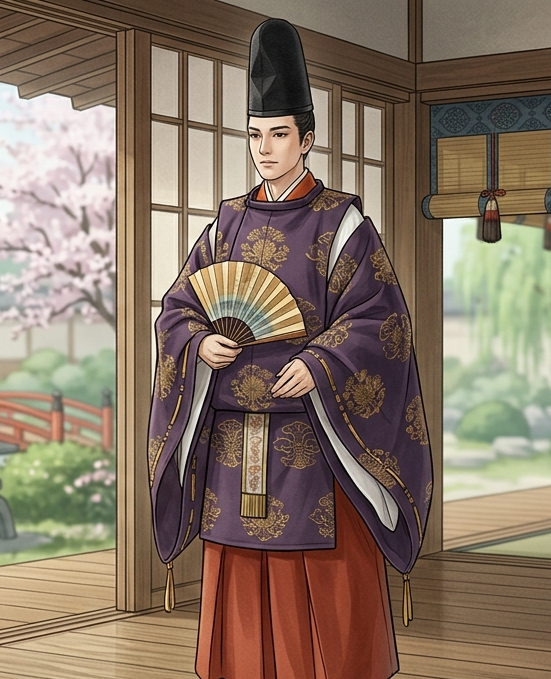
The ancient Japanese named that game “Kumi Ko” and “Mon KO”. Kumi means assemble, and Mon means listening. Why do they call another game “listening”? We are going to talk later.
So, first. We will touch on the Kumi (assemble) ko. Yes. They (nobility) combined other kinds of aroma with the dry Agarwood. Then, players try to answer what woods they used in the order.
In the game, the dealer/house sets a piece of smoked fragment of wood in a small incense burner. Indeed. Each player covers the burner with a hand, carrying it in front of the nose. Then, they gently sniff it.
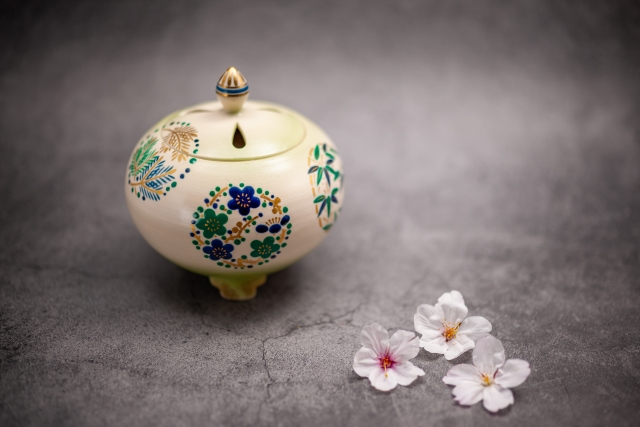
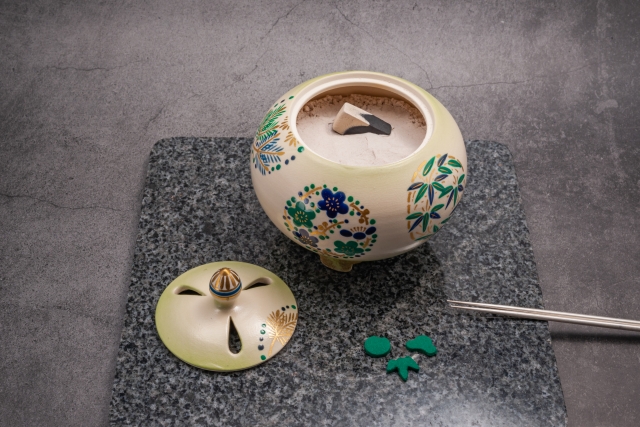
After the tasting, each player will answer what kind of fragment (woods) by writing those names down.
It sounds simple. However, that rule showed its elegance to the nobles. Yes. They loved it.
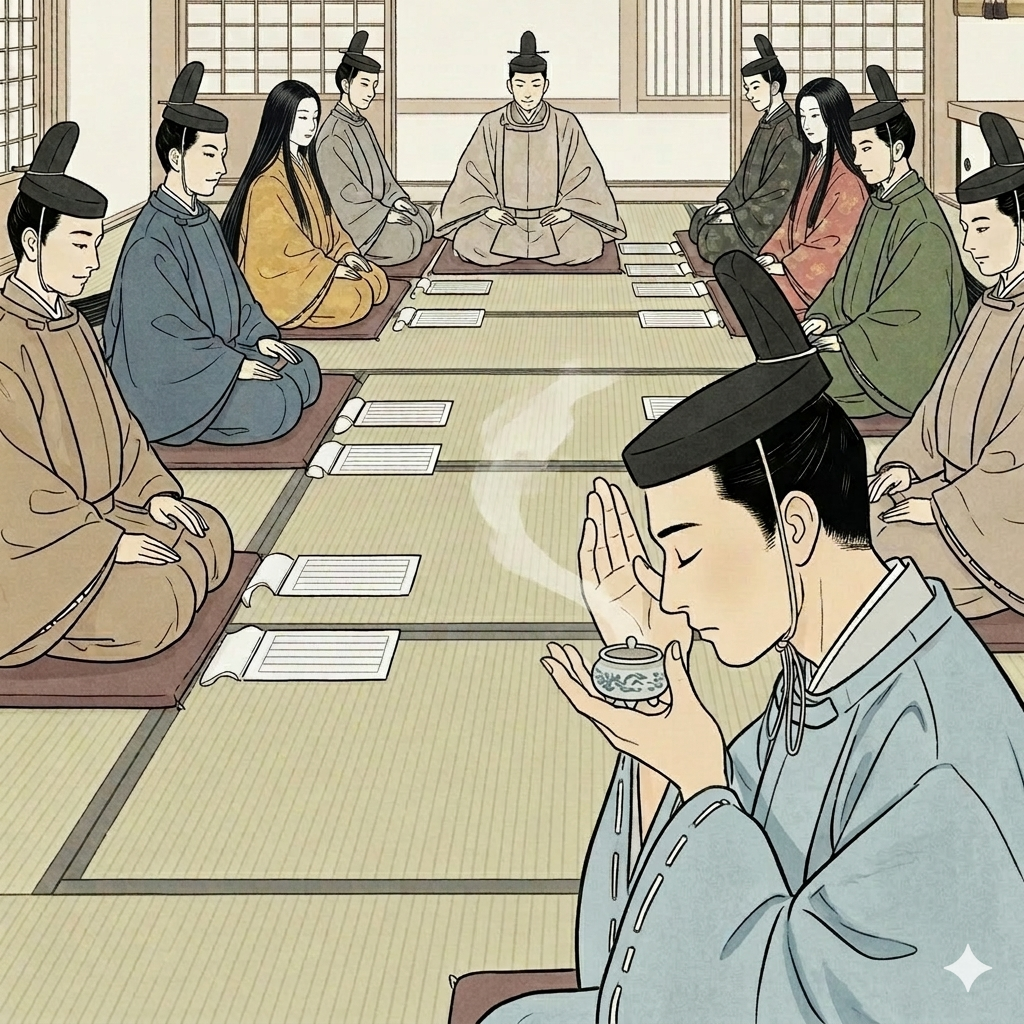
Sometimes, acting in an overly elegant manner (like being arrogant) can be annoying. However, in this way (Kodo), such a mind worked beautifully and poetically. Surprisingly, the incense game I will introduce indirectly connects to the latest brain science.
The next game by the Kodo is Mon (listening) Ko. Mon means listening.
It is more of a poetry game than the previous one. Instead of answering the kind of fragments, they would express what feeling they got from the incense of the smoked (and mixed) wood pieces with the original poem. It would be about environments, flowers, and weather. It is definitely close to the sommelier tasting.
Besides, practitioners do not say they smell the incense; they listen to it, a tradition that continues to this day. It may sound absurd, but from the perspective of recent brain science, it makes sense.
That subject tells us. The olfactory system (sense of smell) indirectly links to the hippocampus. Indeed. It is the brain area belonging to our memories. That is why we often remember events when we encounter a familiar scent associated with those moments.

It is surprising. Such an ancient game touched on the latest science. OK. In the next (last) section, let us see the most precious incense in Japan.
What is the most expensive/precious one?
We have already explained that certain natural incenses, such as fragrant woods or tree extracts, can be quite costly. Then, what is the number one and how much?
The best one is Kyara (伽羅). It is also the agarwood. However, it took more (very, more) time to make its resin solid. At least, it should be over hundreds (probably, thousands?). The price of Kyara in good condition may range from 600 to 1200$ (US). per gram. Wow! That price is higher than gold!
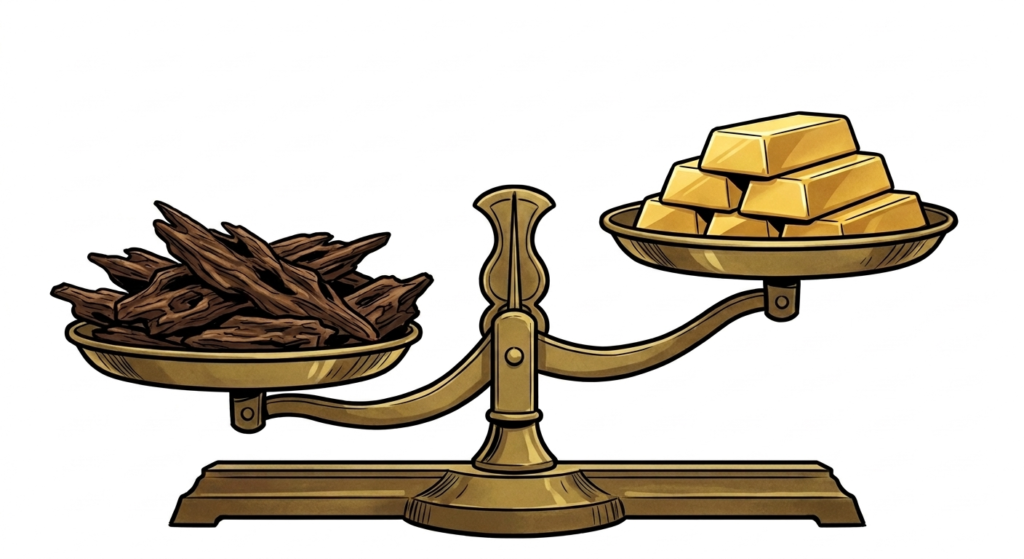
But it is not yet. The best of the best, Kyara, is in the temple of Todaiji (Nara prefecture). We call it Ranjatai (over 1000years old!). It is not just a fragment of wood, because it belongs to the Family of the Japanese emperor Tenno.
That illustrates the significance of the fragment. So, in the Sengoku/civil war era (around 450 years ago), obtaining a piece of the Ranjatai did not mean buying. It was the proof of the ruler of Japan, who scraped it off with permission. Yes. It means the emperor allowed them to do so. Historically, several famous samurai lords, such as Nobunaga Oda, received permission when they conquered regions of Japan.
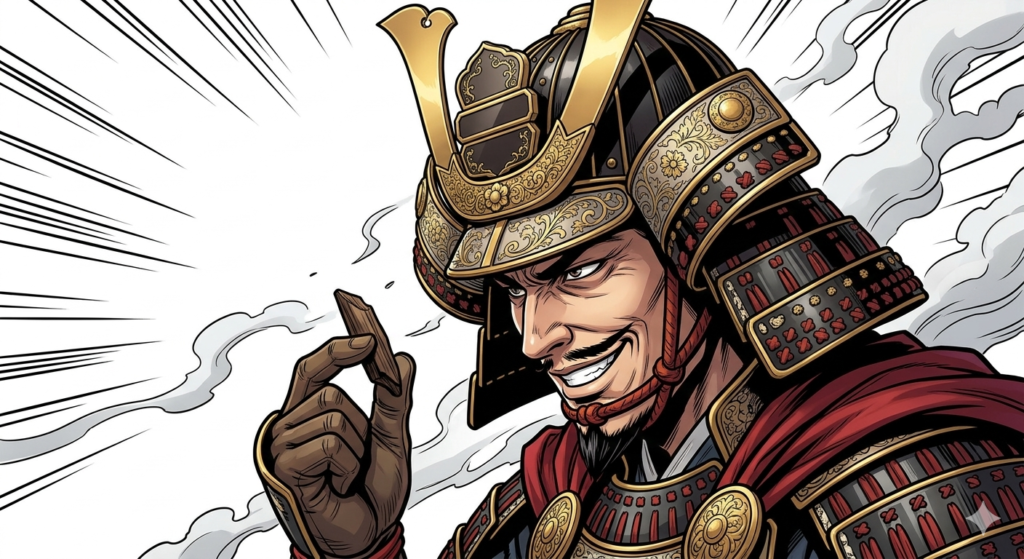
Indeed. For the Japanese, Kodo and incense are part of our identity.
Whas is more?
Few! It is all for today’s episode! Thank you for reading this article!
However, our blog is not over yet! We shall keep more information about Japanese culture. If you still are interested in this, please follow our articles!
Now, we have four categories, they are about the Japanese lifestyle, foods, religions, and last one is the details of antient (about the Edo era, this article, the Kodo, is from this category).
Each category contains the articles. Are you curious about those? Please dive in!