In this blog, we already said that Japan has a nature worship nurtured by the beautiful four seasons (if you are not familiar with it, please visit our blog’s front page!).
In ancient Japan, we believed that all natural objects had their own souls. The flowers? Yes. The rocks/stones or forests? Of course! The sea? Why not?
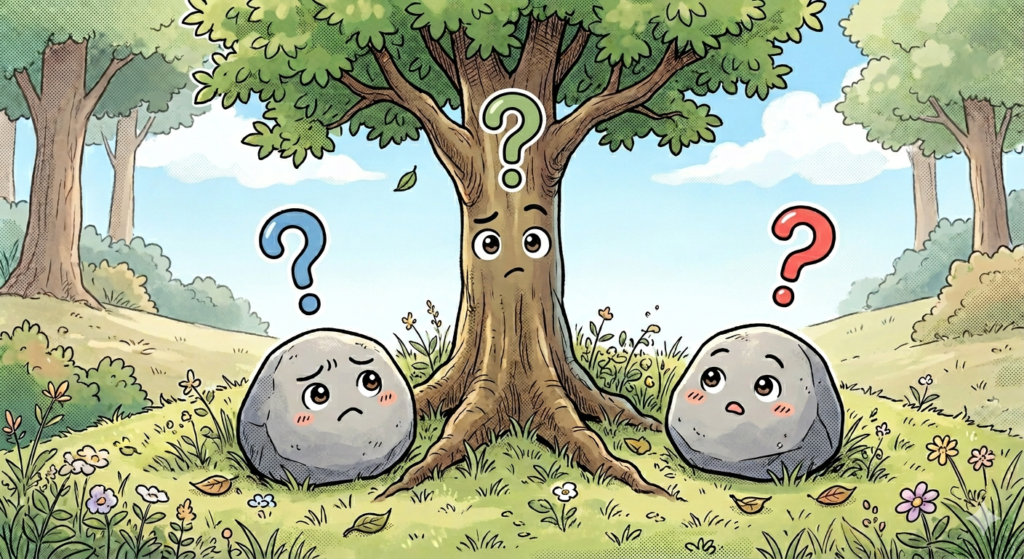
Indeed. The old Japanese usually prayed for natural environments, including disasters (phenomena), for instance, earthquakes and tsunamis.
Then, we have a question for our lovely readers.
What would you do if someone close to you, such as a person or pet, passed away?
Yes, it is! It should be a funeral or farewell party. Interestingly, some Japanese usually take that habit for the equipment or tools/belongings we use.
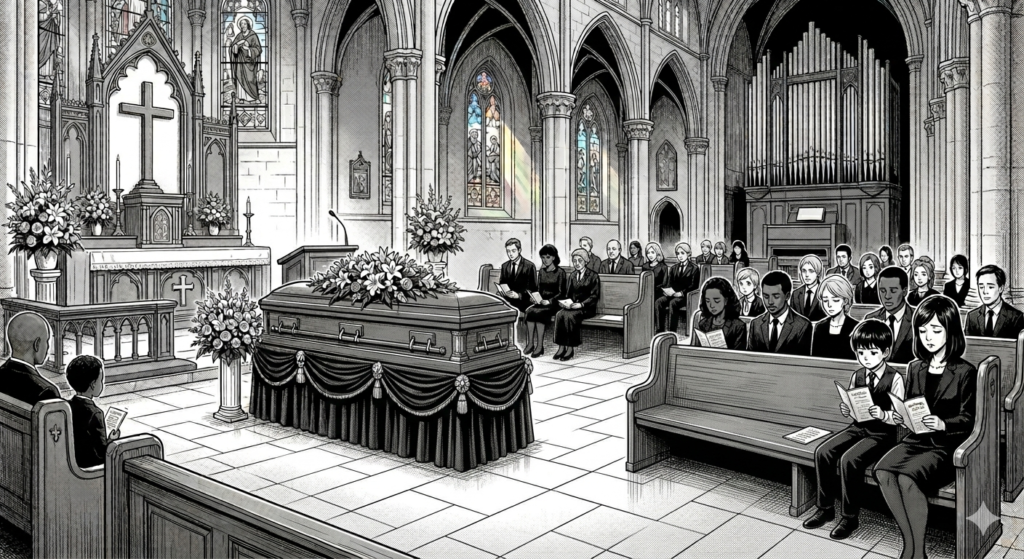
It is for the topic for today, the funeral ceremony for our belongings, Kuyou.
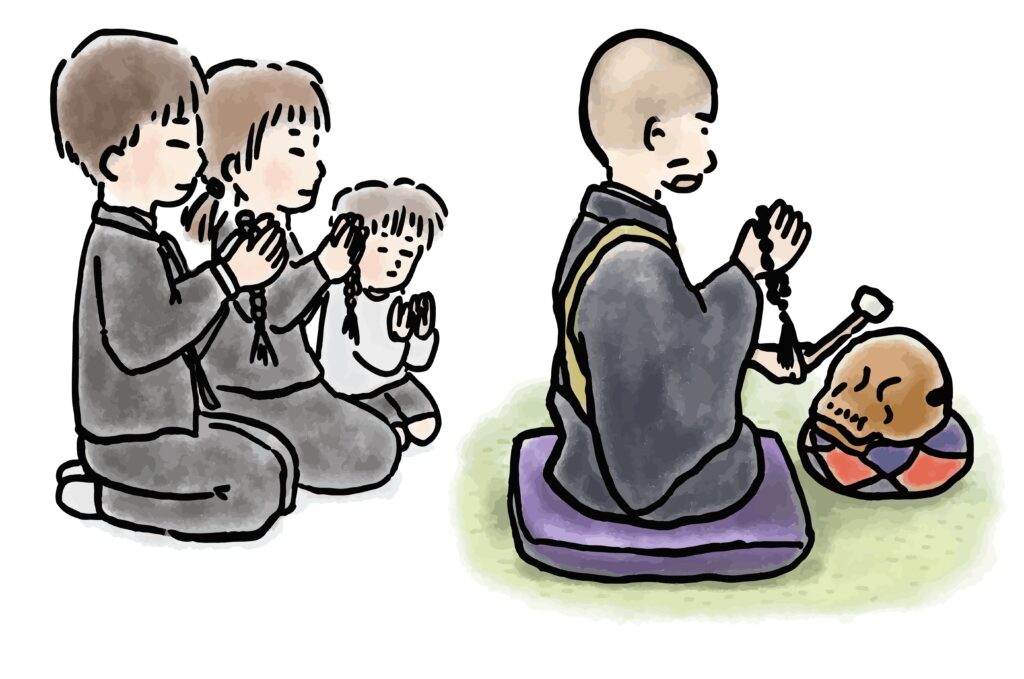
Some historical theories suggest that the idea of a unique farewell party for our equipment is from India. It is surprisingly old. That ritual was born over 2500 years ago! However, the original one was a little cruel. First, ancient priests ignited the big fire. Then, they throw grain and living animals as a sacrifice.
There was no mercy. But around the 6th century, a turning point came. The new religion, Buddhism, founded by Gautama Siddhartha, was born in India. The new approach to enlightenment gained popularity very quickly. Among the lessons, many people got inspired by one. It is Non-violence (known as Ahimsa).
Since then, that cruel habit transformed into a peaceful event. Instead of making a sacrifice, the ancient prayers offered flowers and clean water, and sometimes food. It is an original concept of Kuyou.
How did those ideas connect??
Buddhism spread from India and China and came to Japan around the middle of the 6th century, during the Asuka era, which lasted from 592 to 710 AD.
This religion emphasizes the lesson of non-violence.

It was truly a moment when a big bang or chemical reaction occurred, even in the absence of chemists. Do you remember that Japan already has the original religion? Yes. It was Shintoism/Natural worship.
Coincidentally, both had similar minds that respect the past people and objects. In Buddhism, they have to admire everything related to them (especially, Buddha). In Shintoism, we Japanese traditionally pay our respects to anything with which we have a connection.
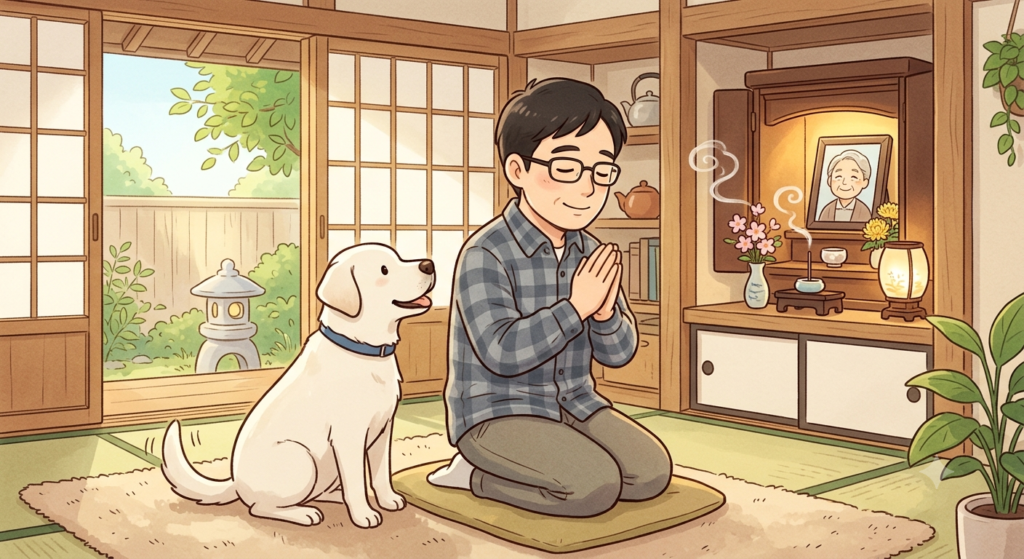
Indeed. Both religions shared similar viewpoints, making it easy to find empathy and harmony. They successfully harmonized their beliefs and events; the funeral for any objects (Kuyou) was born with that new religion, Buddhism.
What kinds of Kuyou are in Japan?
What is the procedure that takes place during the Kuyou ceremony? We need to apologize before we figure them out. We never ensure their clear numbers because those ceremonies would be (easily) affected by the habits of each prefecture or community/village.
Indeed. There are seriously zillions of variations, if we count Kuyous with small details.
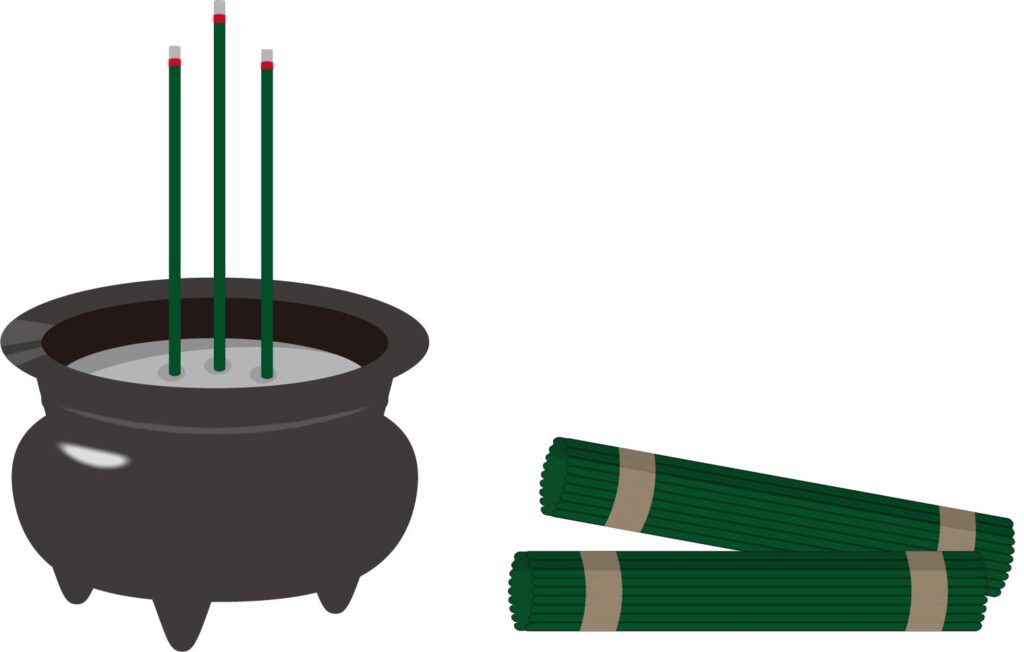
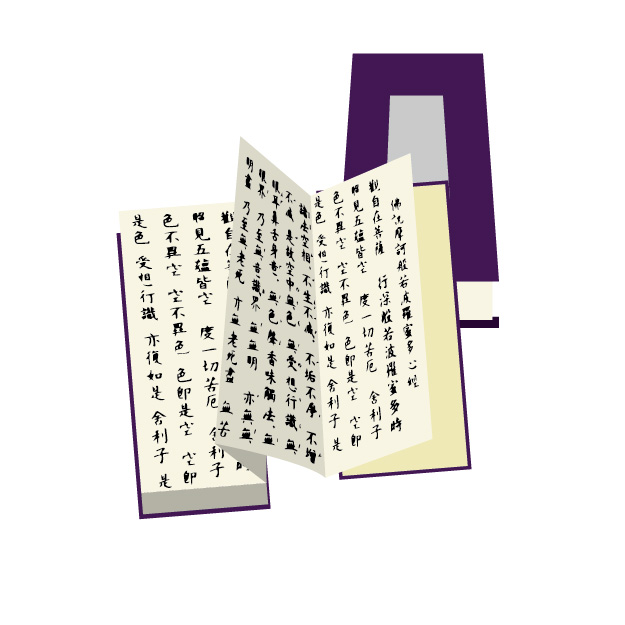
Oh wait! Please do not leave this page. They still have common and easily understandable ways to grieve. Burning incense with enchanting sutras, then each shrine or temple would dispose of them with our respect (Ritual burning). They should be the same as the Kuyou methods.

Phew. Do you get it? The common sense of Kuyou is always RESPECT.
OK. That tip should lead us to the question. Are there any famous Kuyou (funerals) for any products in Japan?
YES. Let us dive into some.
Hari (needle) Kuyou
As the name says, it is about the farewell party for NEEDLES. They (needles) used to be on duty for sewing and knitting with rough fabrics or hard clothes. Previous users will express their gratitude through this ritual. Thus, the act of gratitude may seem a bit odd.
The priests or monks would stick them on the tofu (bean curd).
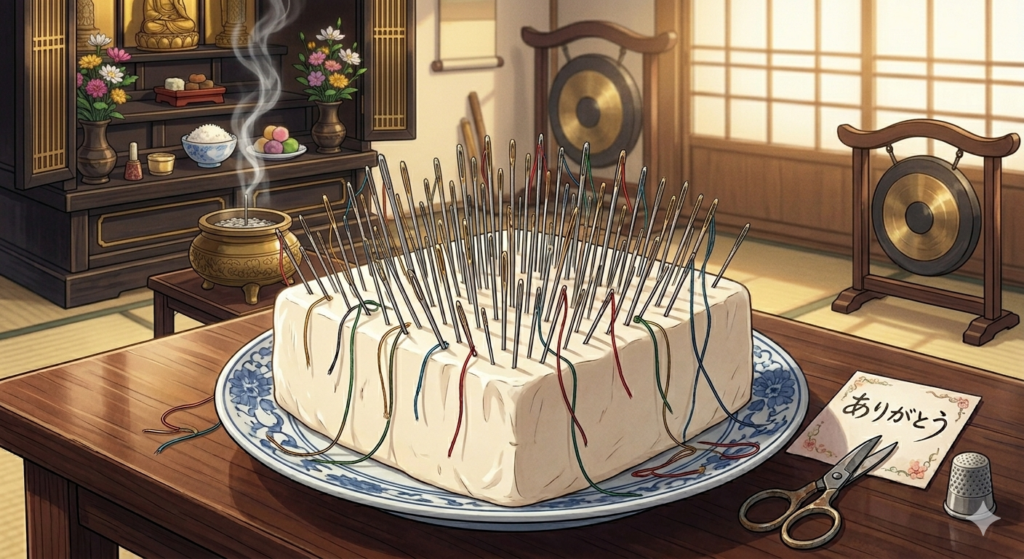
Wait what?? Indeed. We did not say anything wrong.
It never means we waste the food. That ritual expresses the feelings of the previous users. It says. Thank you for your hard work. Please take a rest with a soft object.
It sounds heartwarming.
Doll Kuyou
We can guess that some of our lovely readers keep Teddy Bears as life partners. Understandably, the Japanese are no exception. Many people usually keep some antique Japanese dolls. The kuyou is for beloved toys that are separated from their owners due to moving or serious damage.
The day of the ritual is always chaotic because shrines and temples that accept the Kuyou are going to accept ALL KINDS OF DOLL.
Please imagine. On the day of Kuyou, there should be multiple styles of figures and dolls. It is normal for figures of American heroes to be next to Japanese antique dolls.
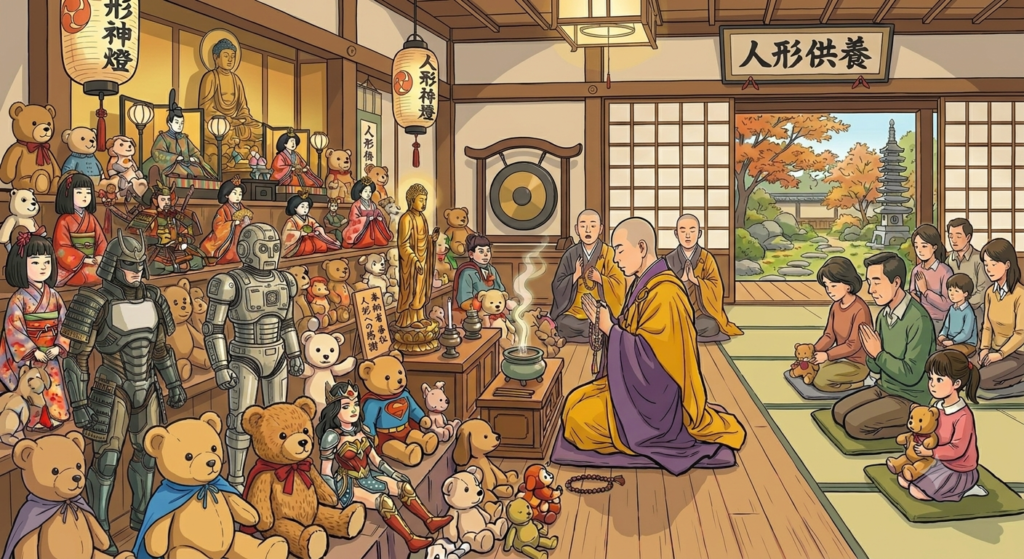
Indeed. The ritual should look (a bit) insane.
Glasses Kuyou
As the doll Kuyou said, any objects we respect can be the target for farewell parties.
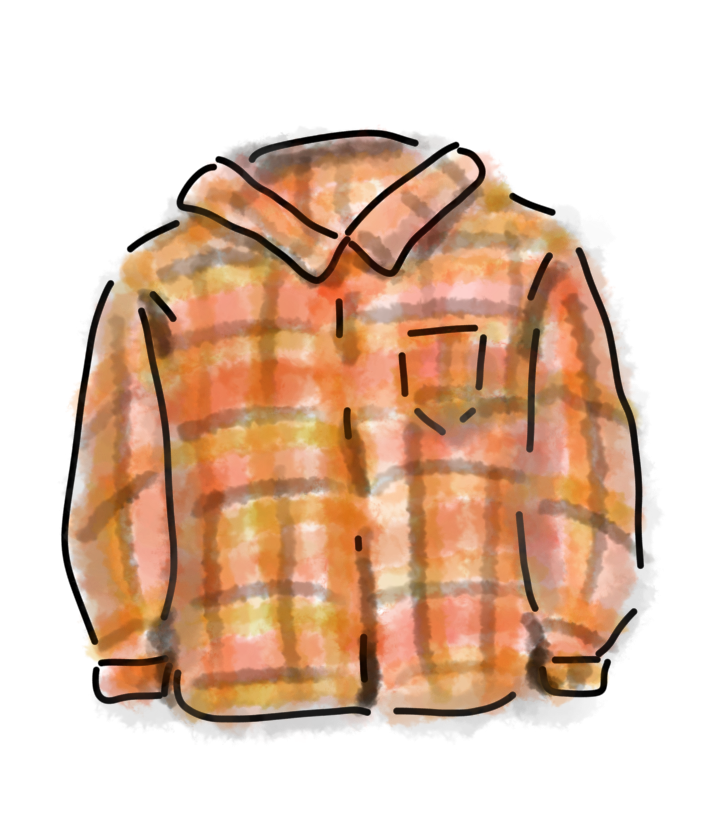
Yes. We often admire certain products, such as socks, secondhand clothes, and kitchen knives. Why not daily products like glasses for people with weak eyesight?
The Glasses Kuyou is the Thanksgiving for daily equipment. As the previous ones said, this ritual contains impacts.
The owners would leave their glasses for the ritual as before. Indeed. On the day of the ritual, the situation can be the biggest trade fair for glasses.
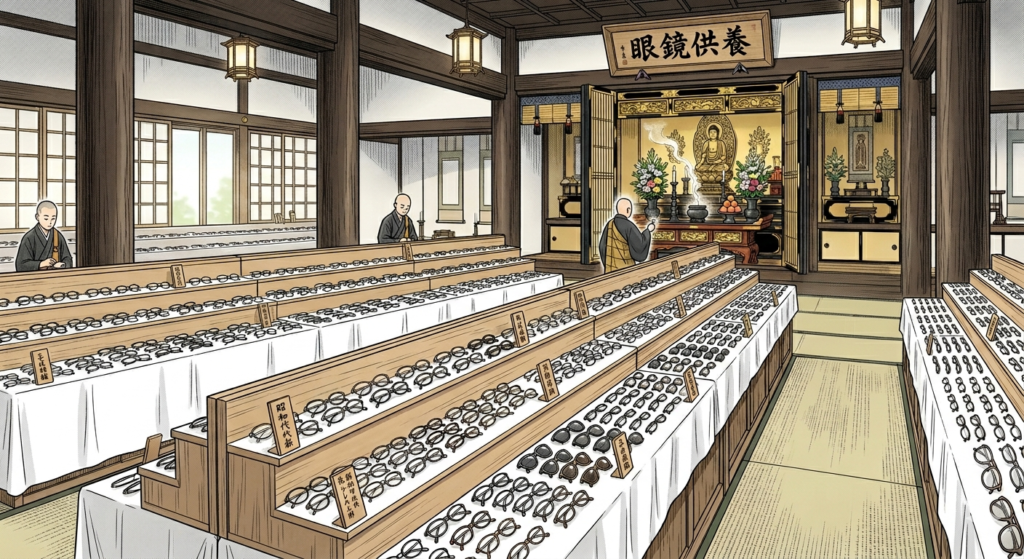
Oh, that design of glasses is wasting/beautiful! You would think so.
Smart Phone Kuyou
Come on. We touched on the daily products with eyesight. Why not electric devices that always let us focus on eye power?
So that the smartphone can be the subject of prayer. Indeed. In Japan, many shrines and temples are gradually accepting such electric appliances for rituals.
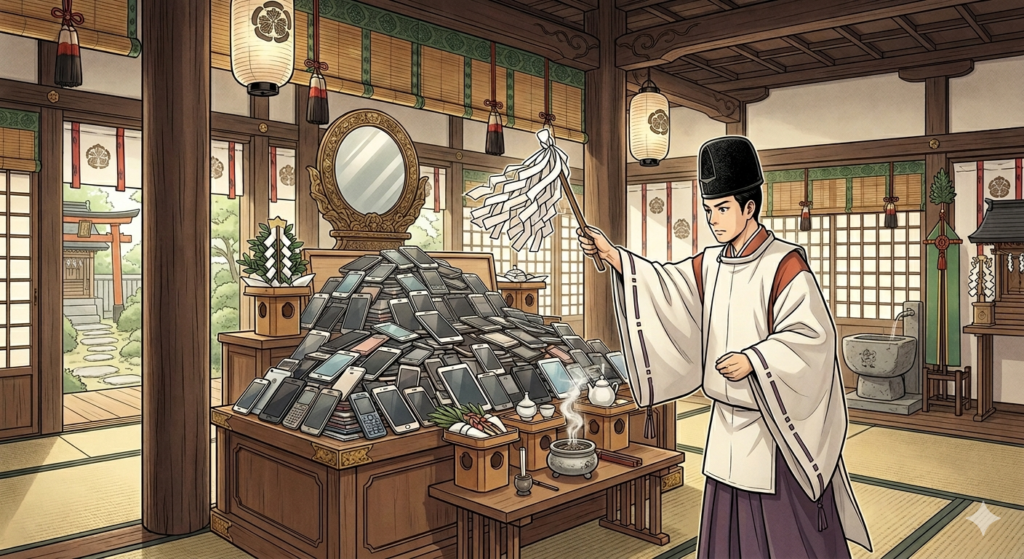
Image diagram
Come on. Please do not say it is nonsense. Please remember. When you need to call someone immediately, what helps you? Or, when you ensure safety for your family, what kinds of devices have worked for you?
That’s it. While it is an electronic product, we should still respect any assistance received through it. Farewell parties for smartphones are gradually gaining popularity.
Hey. How are the processes for safety and delight for disposal?
Do not worry. Each shrine and temple that performs the ritual learns and updates its knowledge for safe disposal.
Then, it is quite normal for Smart Phone Kuyou that the big shredder for business use is by the stage (or the rooms close to the stage).
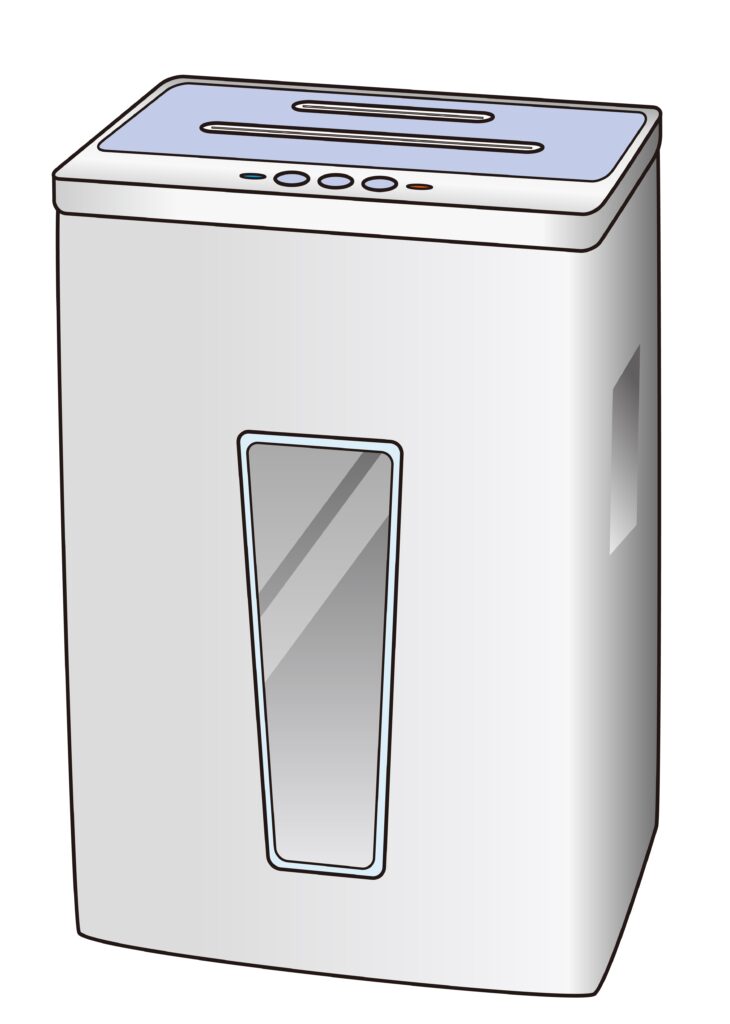
Indeed. During the enchanting sutras, the bordering sounds (crashing and grinding smartphones with the big shredder) are sometimes present.
It sounds surreal.
What is more?
Phew. Do you get it? There are many (many!) Kuyou events around Japan!
If you feel that nonsense, please take a look at your environment. You can keep your belongings, a laptop (or smartphone), clothes, some food, and drink in a fridge.
It is not over yet. Whenever you feel bored, you can find some interests through the TV, the internet, novels, or comic books.
Indeed. We surely enjoy our life (it sometimes depends on the money). However, we are now live. Those events, Kuyou, are appreciation for everything, and yourself. (Sorry. It sounds too noble!)
So, what is more? We shall introduce that we still have many other articles. They are in four categories: the lifestyle in Japan, food, the Edo era, and religions. If you’re still curious about Japanese culture, click them and read!
Thank you so much for reading this article, and see you in the next interesting article about Japanese culture!