Hello! It is the blog How Unique Japan! How is everyone doing?!
This time, I would love to talk about traditional Japanese paper, Washi!
Nowadays, AI and 3D printers are gradually replacing many kinds of jobs. Handmade crafts are no exception.
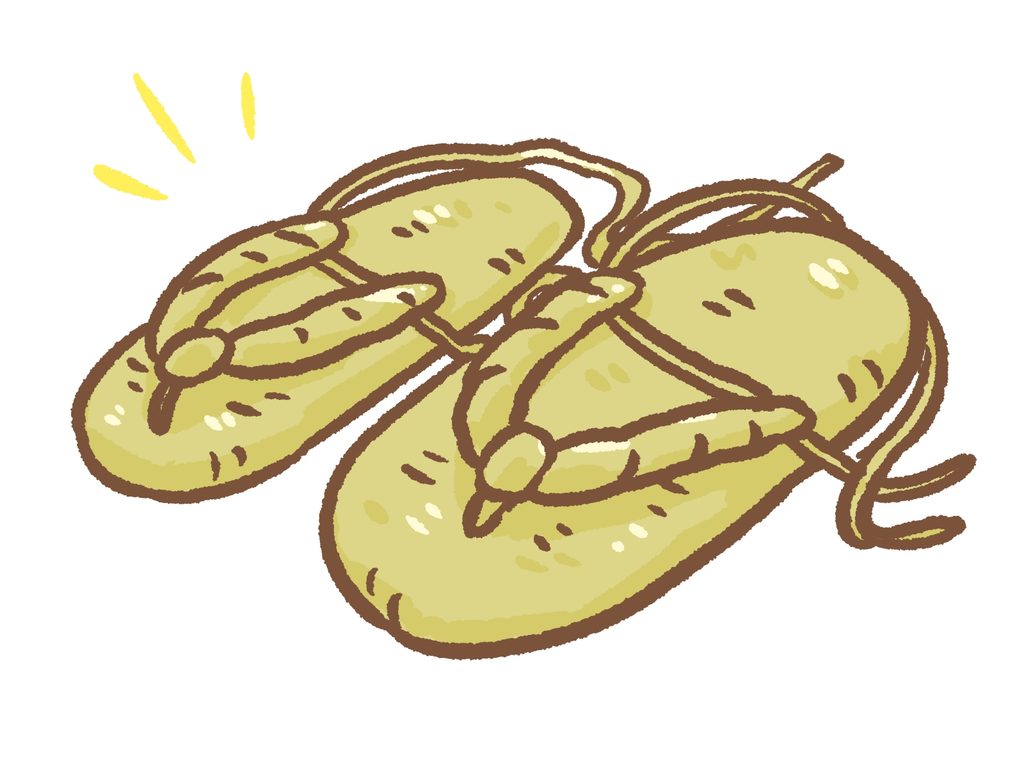
But fortunately, many products still need hand skills in Japan, for instance, constructing wooden houses without nails, knitting kimonos, and making Japanese straw sandals. Indeed. These technologies (3D printers and AI) still face challenges if we order them to create those products perfectly.
Do you know? Traditional paper in Japan is also made with skill.
So today, I will talk about traditional Washi paper.
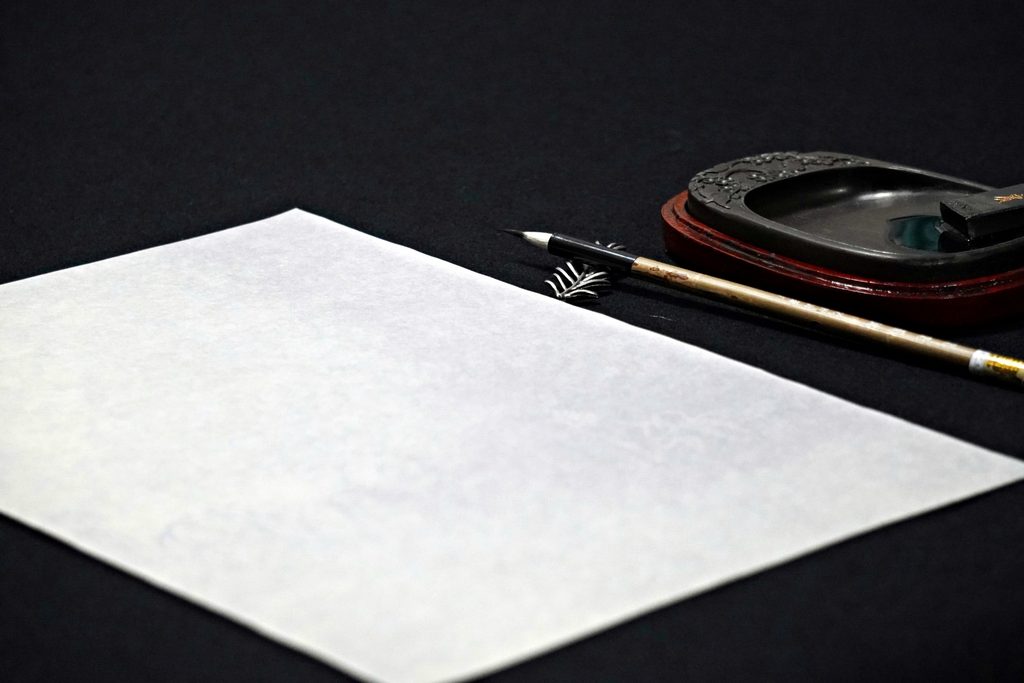
The history
The method for creating traditional paper originated in China in 610. At that time, it had a rough texture.

The turning point was around the Heian era (794 – 1185). Ancient Japanese papermakers developed a new method. That is the Nagashisuki method, and the natural binder Neri.
As a result, the paper became harder and thinner. It also became tough enough for long-term storage.
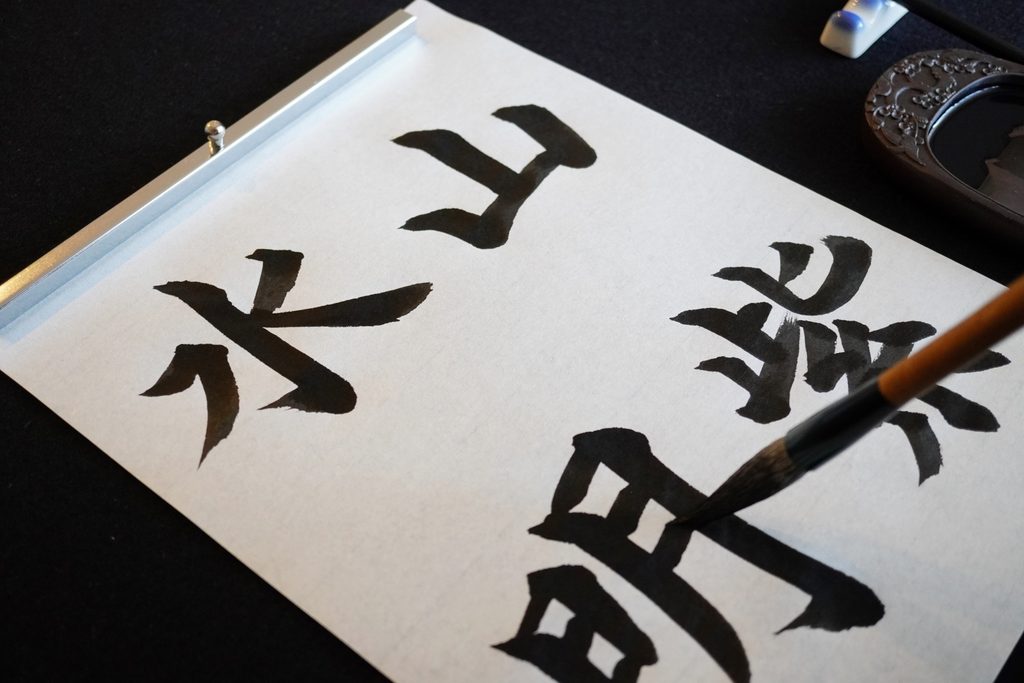
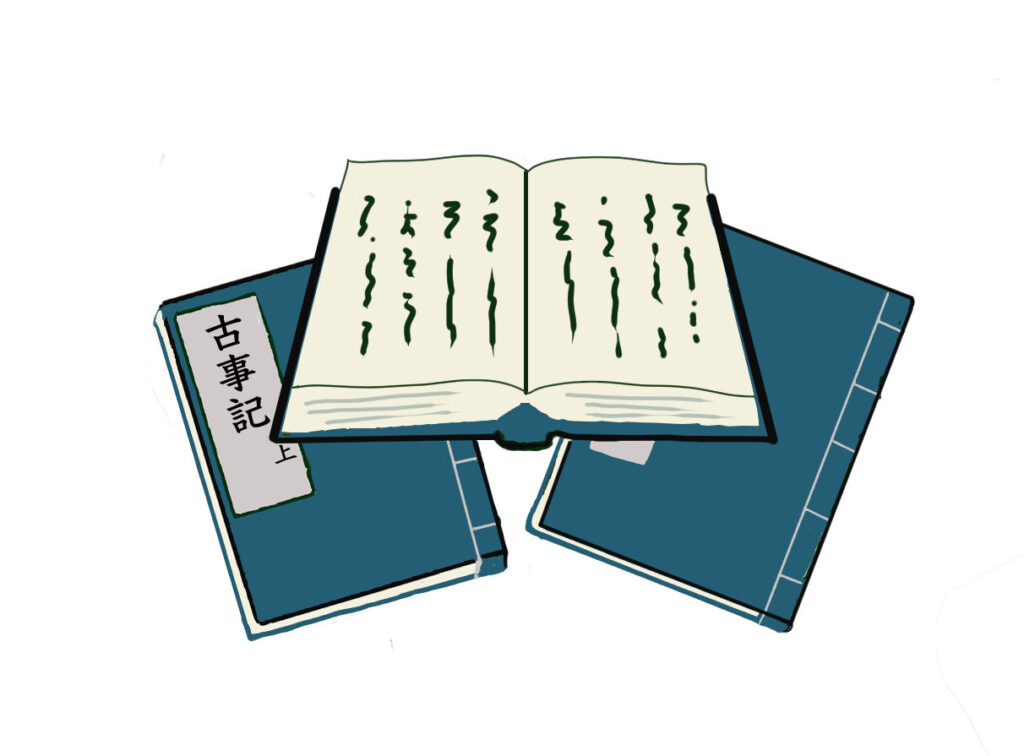
The oldest Japanese history book, Kojiki (714), is a good example. That book is unfortunately a replica. But it is already over 700 years old, and it is still in good enough condition to read the letters.
Indeed. The Nagashisuki with Neri completely changed paper production.
Kamisuki and Neri, what are these?
The Nagashisuki method and binder Neri
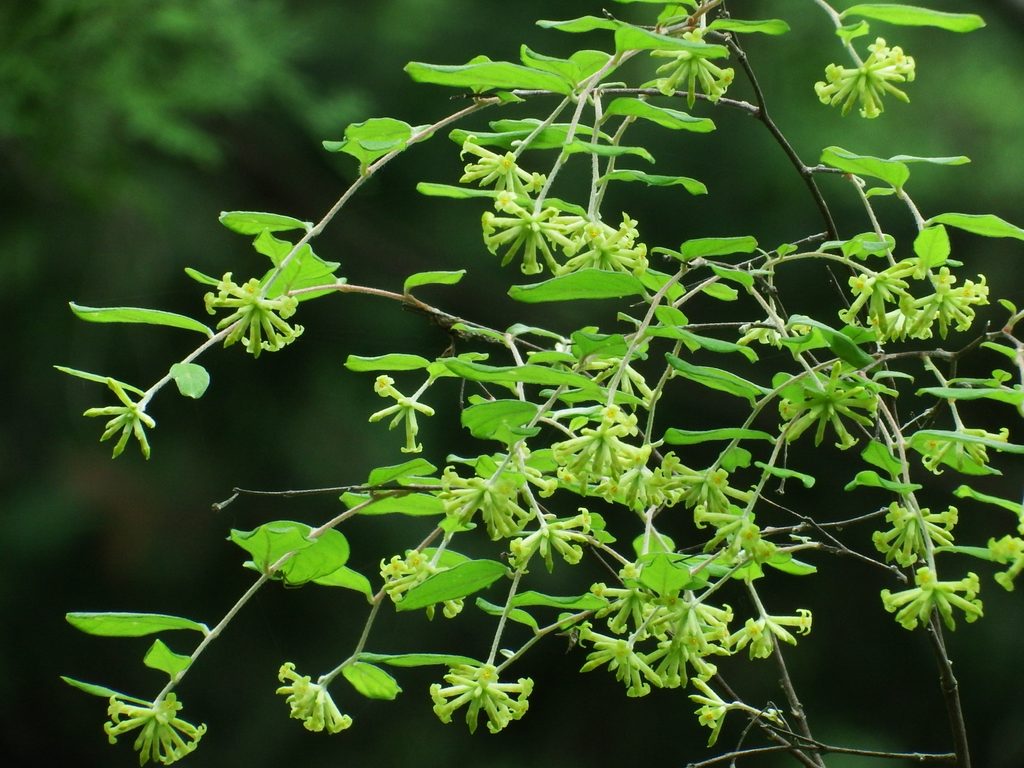
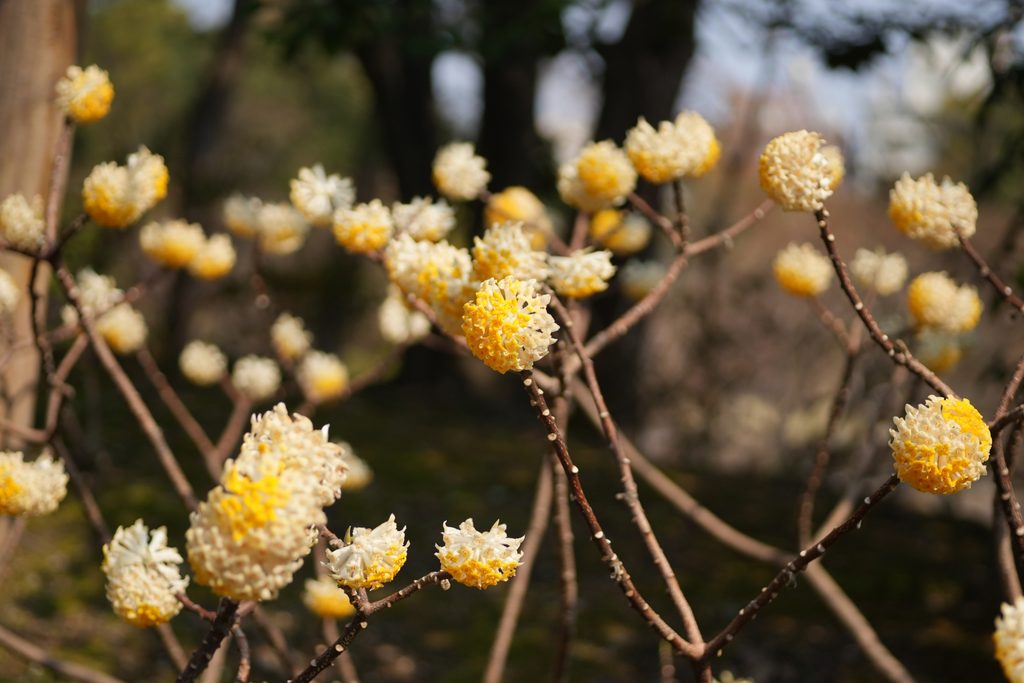
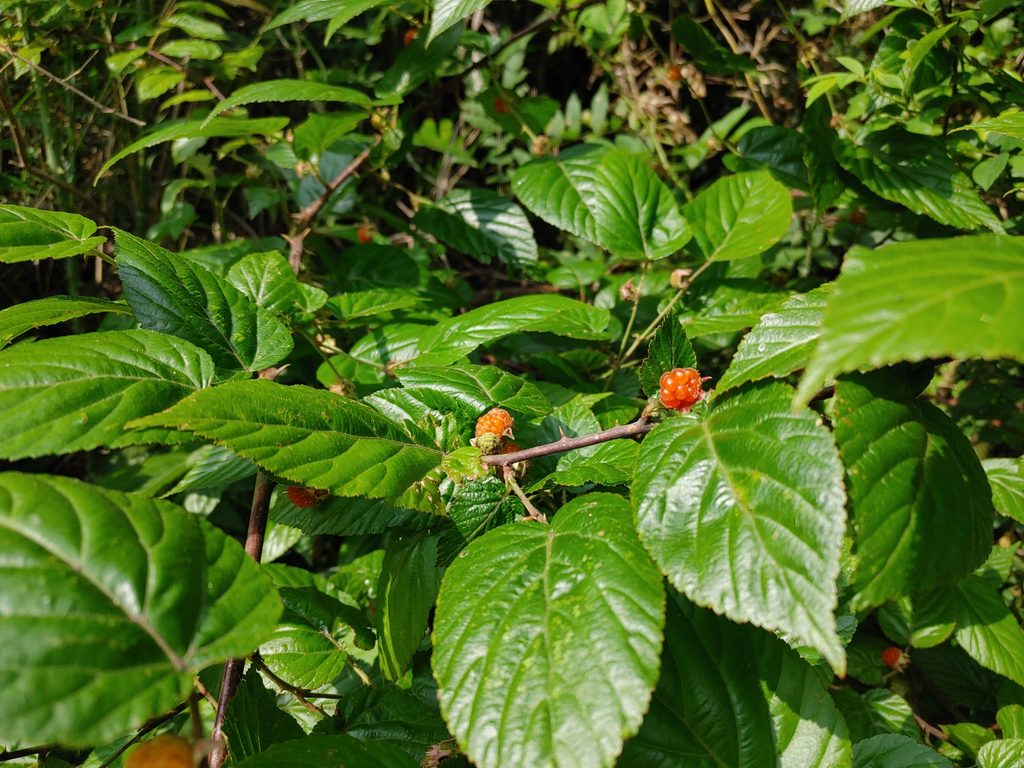
The Nagashisuki is key to making the high-quality paper I mentioned. The craftsmen use several bark fibers. They mainly use Kozo (a unique mulberry), Mitusmata (a unique bush), and plants belonging to the Daphne family.
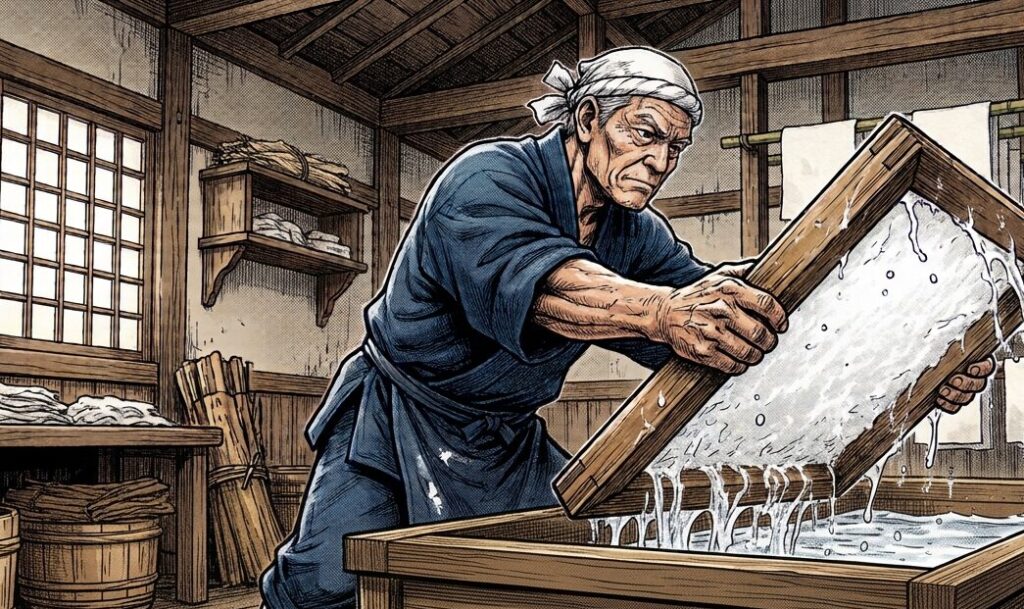
They (papermakers) mix fibers with cold water and interweave them well by spreading and flattening. Interestingly, they use a rectangular wooden frame similar to a sieve.
Do you get it? Water naturally falls through tiny gaps. Yes. They manage to connect the fibers fairly, thinly, and form the paper with that wooden device called a fune (a ship).
With that method, Washi paper becomes tough despite a smooth texture.
Oh wait. I didn’t address the natural binder, Neri, yet. I apologize for that.
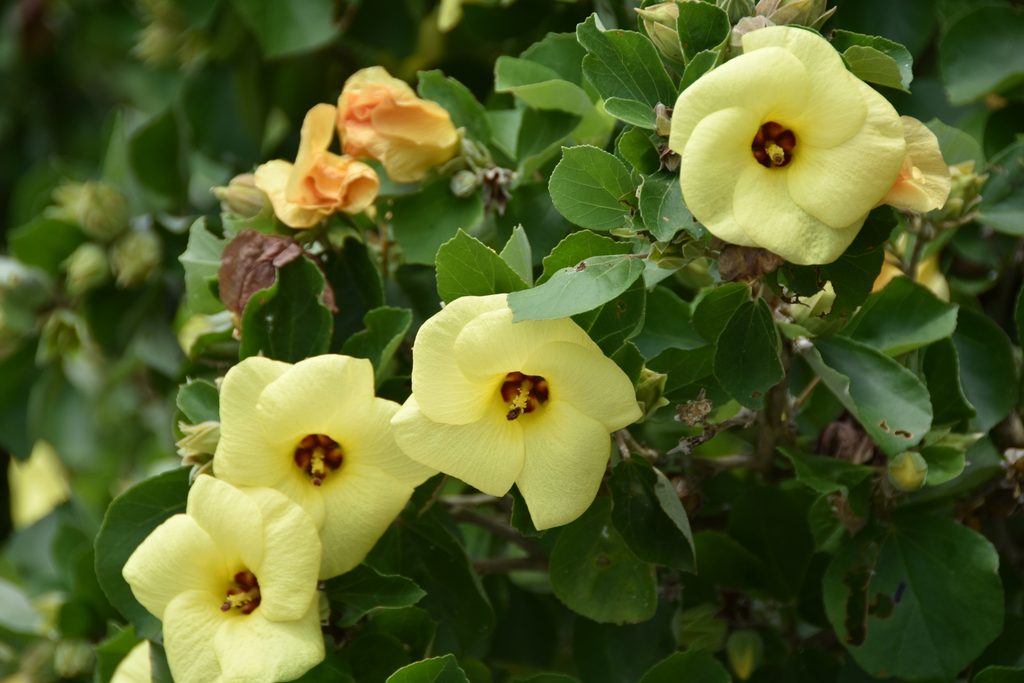
So, Neri is the natural binder. It is also from a plant, Tororo Aoi ( Malvaceae family). Why do they use it?
The purpose is to combine fibers by adding stickiness. But it has one more role. As it says, craftsmen use the fibers. They are heavier than water. They would sink to the bottom. So, shaking and waving the wooden device (Fune) is not enough to scoop up the fibers.
It is where the stickiness works. It will help keep the fibers evenly distributed in the mixed water. It is the work of Neri.
Oh. I must say one more tip.
We now know how they create Washi paper. Surprisingly, it is seasonal work because the natural binder, Neri, and fibers are weak at high temperatures. That condition can easily melt them.
Do you get it? So, Craftsmen of Washi always work with COLD WATER IN WINTER.
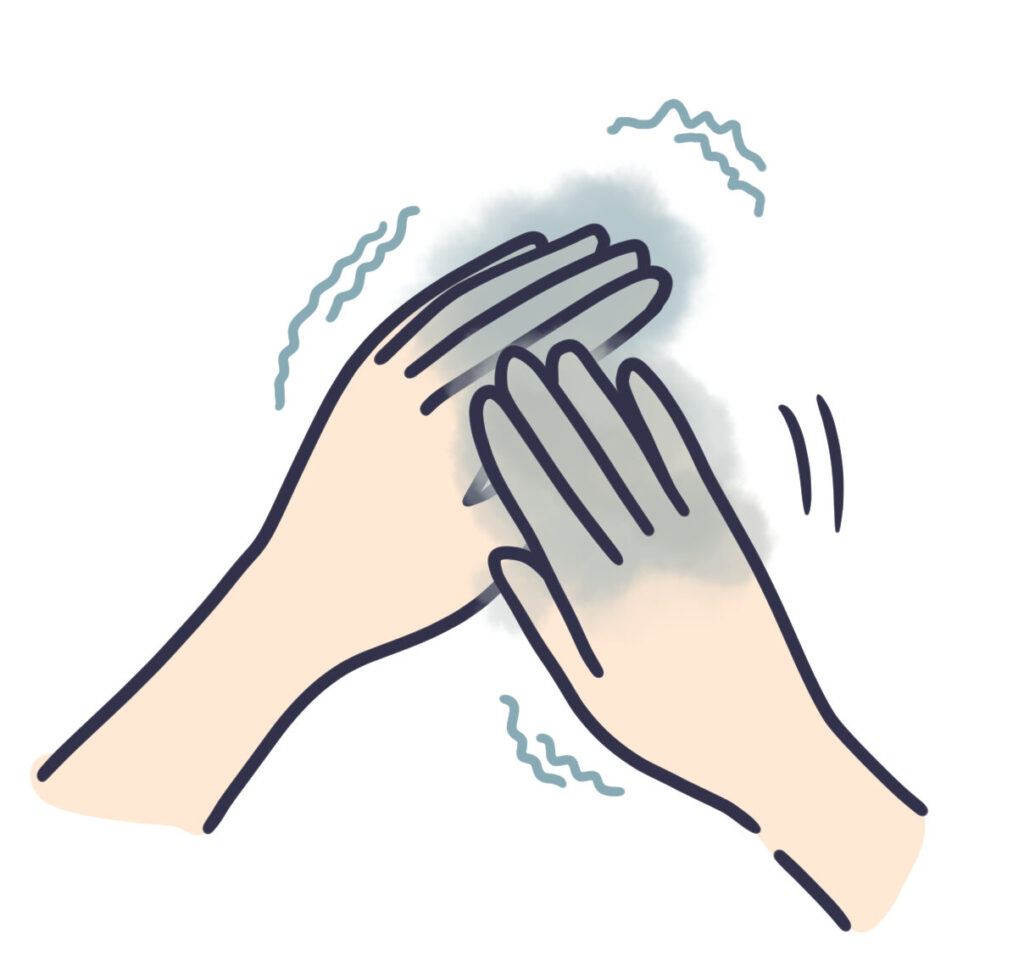
It sounds freezing and painful. Right?
I’m sorry. I forgot to say one more thing. The wooden device Fune is SO HEAVY because of its stickiness and fibers.
The unique ways of utilizing them
1. Shoji
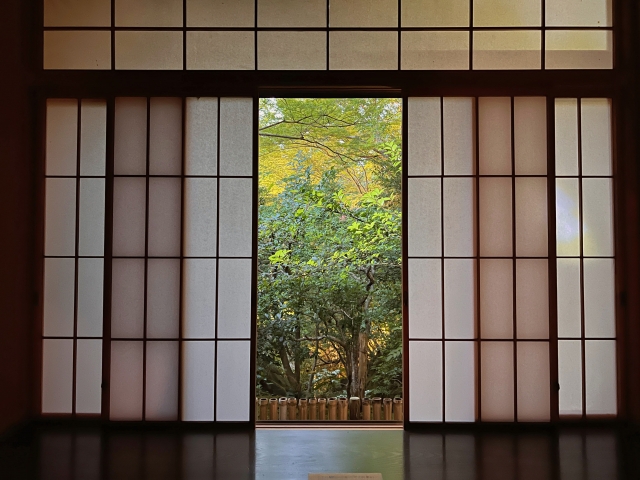
In traditional Japanese houses, the paper can serve as windows because Sunlight passes through and provides ventilation. Indeed. They can adjust room temperature and humidity.
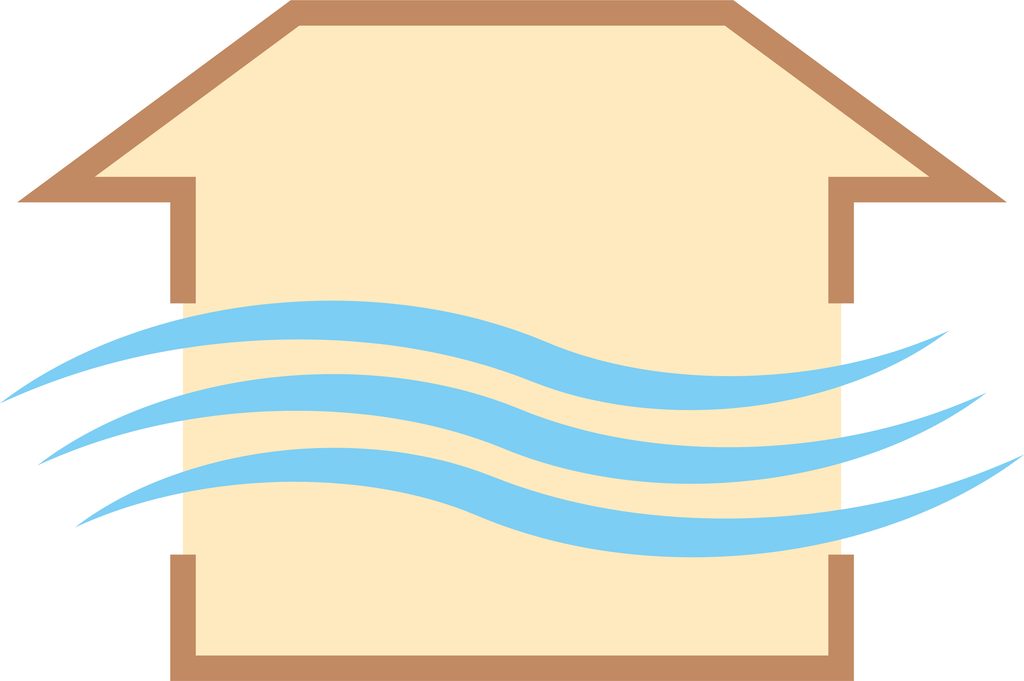
It has one more advantage. It is said that shoji has a ventilation system.
It also works as an antibacterial. You might already know that some germs and fungi really love high humidity conditions to propagate. So, its ventilation can prevent bacteria activation.
Ancient knowledge is always stunning!
2. The audio parts: cone
Surprisingly, the washi can be the important audio part. It is the Diaphragm/Cone.

The cone needs to be tough and light. The paper successfully has both advantages. In particular, its tensile strength is top-level among all kinds of paper. Indeed. The fibers from Nagashisuki give such toughness. (Oh, but that is a thick version.)
The owners say that the sound from the cone is comfortably soft and natural, with no noise. It is like the paper keeps sounds.
3. Space suit
The advantage of washi is more. It also becomes the SPACE SUIT.
JAXA (the Japanese space agency) highlighted its toughness and ventilation (and antibacterial) capacity. But they do not use it as armour outside the spaceship or for sensitive computers.
Instead, the washi becomes the uniform.

Yes. A space uniform from Japan contains the paper.
Why? Strict missions in space are the reason. They can not wash their uniform whenever they want because crews must conserve water.
Nevertheless, they have to work out every day to train their muscles in a non-gravity situation. So, there is always dirt and sweat generated by their work.

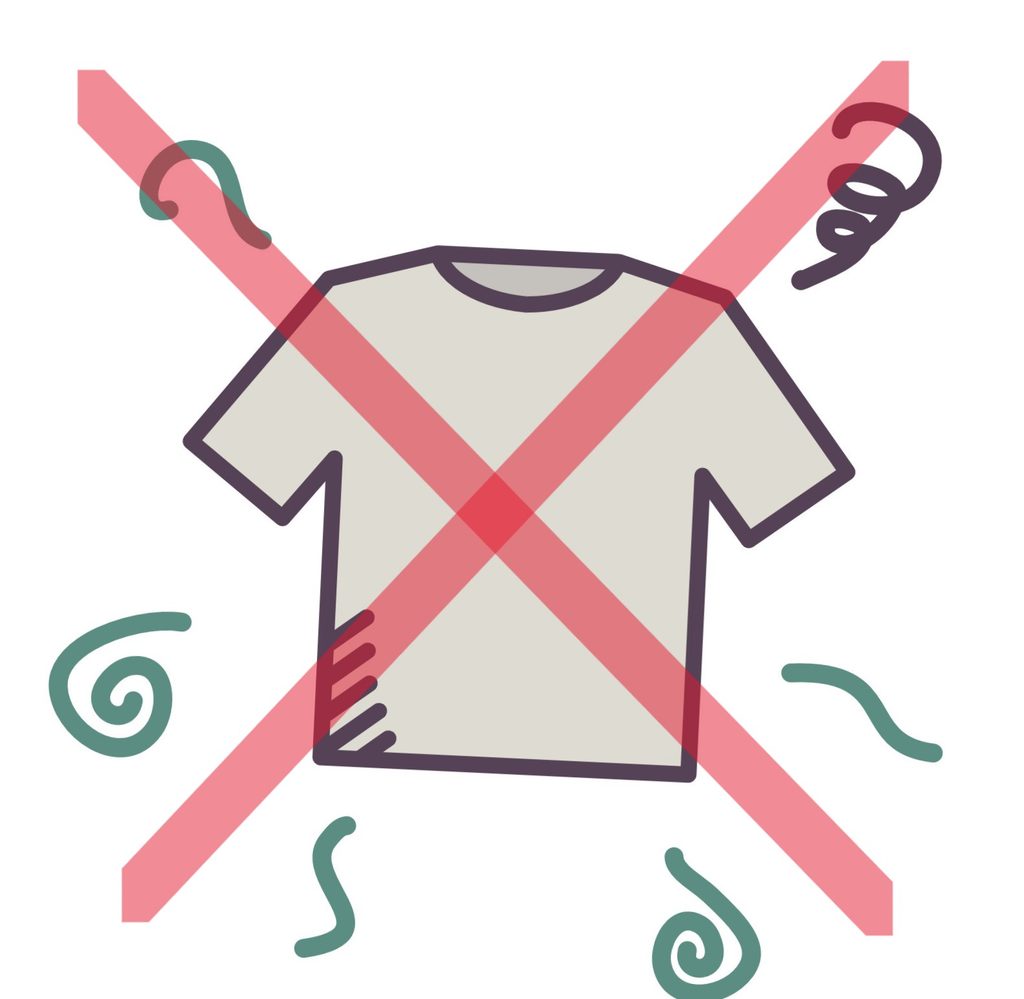
This is where the advantages of the paper come in. The uniforms can absorb sweat without creating an unpleasant odor, and the ventilation can prevent germs from breeding.
One more tip. This uniform is WASHABLE.
To close
Phew… It was a brief look at traditional paper washi. As you could get it, there are more interesting products of the paper in Japan. If you have a chance to visit, please pay attention! You would find them in unexpected ways!
Thank you so much for reading this article! But it is not over yet! My blog contains more information about Japan! If you are still interested, please try them!
Now, I have information in four categories. They are about Japanese lifestyle (this article is from there), food, the Edo era, and religion.
See you for the next Japanese uniqueness!